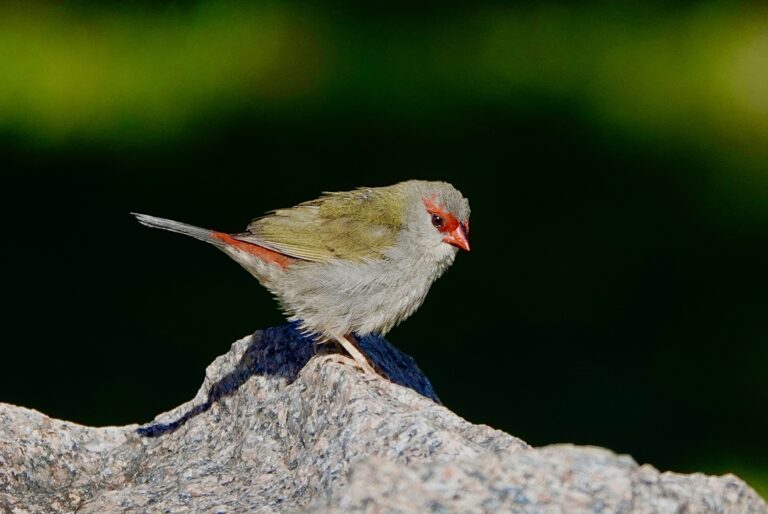
The Hamerkop: Nature’s Architectural Marvel
Often overshadowed by its more flamboyant avian relatives, the Hamerkop (Scopus umbretta) is a remarkable bird that captivates ornithologists and bird enthusiasts alike. This unique wader, native to sub-Saharan Africa and parts of Madagascar, is renowned for its distinctive appearance and unparalleled architectural prowess.
Distinctive Features and Behavior
The Hamerkop, whose name means "hammerhead" in Afrikaans, boasts a unique silhouette that makes it easily identifiable. Measuring about 50 centimeters in length, the bird sports a brownish plumage and is best recognized by its conspicuous, hammer-shaped head, formed by a long, flat bill and a crest of feathers. This peculiar shape is not just for show; it aids the bird in its primary feeding strategy, helping it to deftly hunt small fish, amphibians, and invertebrates in shallow waters.
Hamerkops are known for their gregarious behavior, often seen in pairs or small groups. Their vocalizations, a series of loud "kek-kek-kek" calls, can be heard echoing across their habitats, serving both as a means of communication and territorial assertion. While generally elusive, the Hamerkop’s preference for wetlands, rivers, and shallow lakes makes it a frequent subject of study for those interested in avian ecology.
Master Builders of the Avian World
What truly sets the Hamerkop apart from other birds is its extraordinary nest-building capabilities. These birds construct massive, dome-shaped nests that can exceed 1.5 meters in diameter and weigh up to 50 kilograms. Comprising thousands of sticks and other materials, these architectural feats can take several months to complete.
Positioned high in the canopy of trees or on cliff edges, the nests are ingeniously designed with an entrance located beneath the structure. This strategic placement helps protect against predators and harsh weather conditions. Inside, the nests are lined with mud, leaves, and other soft materials to create a comfortable environment for incubation and chick-rearing.
Hamerkops are known to be obsessive builders, often constructing multiple nests throughout the breeding season. These structures are so robust and well-camouflaged that they are frequently used by other species, including owls, snakes, and small mammals, providing a vital resource in their ecosystems.
Ecological Role and Conservation Status
Beyond their architectural achievements, Hamerkops play an important ecological role. Their presence in wetland habitats contributes to the control of insect populations, thereby maintaining the delicate balance of these ecosystems. Additionally, their nests provide crucial nesting sites for various other species, underscoring their importance in biodiversity conservation.
Despite their adaptability and widespread range, Hamerkops face several threats. Habitat destruction, primarily due to agricultural expansion and wetland drainage, poses a significant risk to their populations. Furthermore, climate change and pollution impact their food sources and nesting sites, exacerbating the challenges they face.
Fortunately, the Hamerkop is currently classified as a species of "Least Concern" by the International Union for Conservation of Nature (IUCN). This status reflects their relatively stable population numbers, but continued conservation efforts are essential to ensure their habitats are protected and restored.
Cultural Significance and Human Interaction
Throughout history, the Hamerkop has held a special place in African folklore and culture. Revered by some communities as a symbol of good fortune, these birds often appear in local myths and stories. However, they are also sometimes regarded with superstition, believed to bring misfortune if their nests are disturbed.
In many areas, Hamerkops coexist harmoniously with humans, often benefiting from the creation of artificial water bodies like dams and reservoirs. Educational initiatives aimed at raising awareness about the ecological importance of these birds have helped foster positive relationships between local communities and Hamerkop populations.
Conclusion
The Hamerkop, with its unique appearance and astonishing nest-building skills, represents one of nature’s most fascinating avian species. While its conservation status remains stable, ongoing efforts to preserve its natural habitats are crucial. As we continue to explore the intricate complexities of the natural world, the Hamerkop stands as a testament to the wonders of avian life and the delicate balance of ecosystems.
By appreciating and protecting this remarkable bird, we contribute not only to its survival but also to the conservation of the vibrant and diverse environments it inhabits.
Related posts