The Bengal Florican: A Beacon of Biodiversity and Conservation Concerns
In the rich tapestry of South Asia’s avian biodiversity, the Bengal Florican (Houbaropsis bengalensis) stands out as an iconic and enigmatic species. Known for its striking appearance and unique courtship displays, this bird is not only a symbol of the grassland ecosystems but also a barometer of environmental health. Despite its beauty and ecological significance, the Bengal Florican is teetering on the brink of extinction, primarily due to habitat loss and human activity.
Description and Habitat
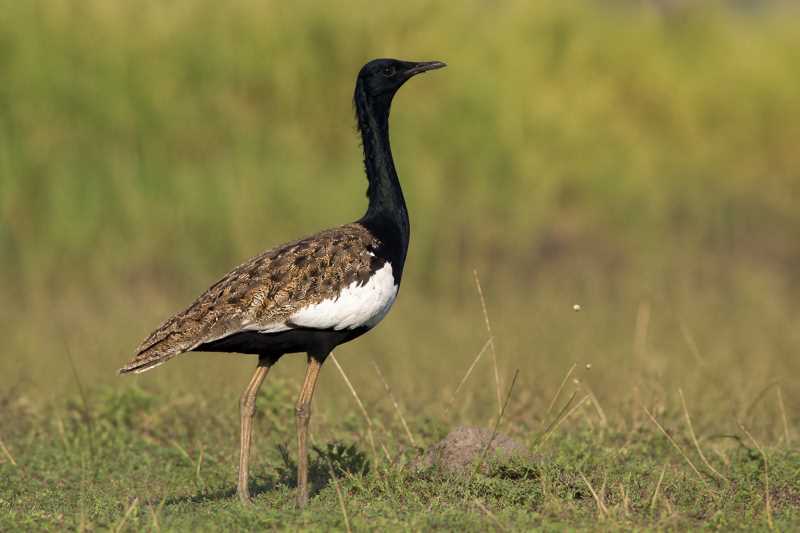
The Bengal Florican is a medium-sized bustard, recognizable by its sexual dimorphism. Males are particularly striking, boasting a glossy black head, neck, and underparts, contrasted by white wings that display a stunning pattern in flight. Females, on the other hand, are cryptically colored, with brown plumage that provides camouflage in their natural habitat.
These birds inhabit the tall grasslands of the Indian subcontinent and parts of Southeast Asia, including the floodplains of the Ganges, Brahmaputra, and the Mekong River. The grasslands, often referred to as terai or dooars, are subjected to seasonal flooding, creating a dynamic ecosystem that supports a rich diversity of life.
Behavior and Ecology
The Bengal Florican is primarily terrestrial, preferring to walk rather than fly, and is most active during the early morning and late afternoon. Their diet consists mainly of seeds, insects, and small invertebrates, which they forage for in the dense grasses.
One of the most captivating aspects of the Bengal Florican is its courtship display. During the breeding season, males perform a spectacular aerial display to attract females. They leap into the air, flapping their wings and vocalizing loudly, creating a dramatic spectacle against the backdrop of the grasslands.
Conservation Status
The Bengal Florican is classified as Critically Endangered on the IUCN Red List. The global population is estimated to be fewer than 1,000 individuals, with numbers continuing to decline. The primary threat to their survival is habitat loss due to agricultural expansion, urbanization, and infrastructure development. In particular, the conversion of grasslands into farmland has drastically reduced the available habitat for these birds.
Additionally, changes in land use patterns and the intensification of farming practices have led to the fragmentation of their habitat. Pesticide use in agricultural areas also poses a significant threat, as it impacts the availability of food sources and directly affects the health of the birds.
Conservation Efforts
Efforts to conserve the Bengal Florican are multifaceted, involving habitat restoration, legal protection, and community engagement. Several protected areas have been established within their range, including the Dudhwa National Park in India and the Tonle Sap Biosphere Reserve in Cambodia.
Conservation organizations are working to restore grassland habitats by managing invasive plant species, regulating grazing, and implementing sustainable land management practices. Additionally, there is a strong focus on engaging local communities in conservation efforts, as their support is crucial for the success of any long-term strategy.
Public awareness campaigns and education programs are also vital components of conservation efforts. By raising awareness about the importance of grasslands and the Bengal Florican, conservationists hope to garner broader support for their protection.
The Road Ahead
The plight of the Bengal Florican highlights the broader challenges faced by grassland ecosystems worldwide. These habitats, often undervalued and overlooked, are among the most threatened on the planet. Protecting the Bengal Florican requires a holistic approach that addresses the root causes of habitat degradation and involves all stakeholders, from local communities to government agencies.
In conclusion, the Bengal Florican is more than just a bird; it is a symbol of the urgent need for conservation and sustainable development. By safeguarding this unique species, we are also preserving the rich biodiversity of the grasslands they call home. It is a challenging journey, but with concerted efforts and a commitment to the environment, there is hope for the Bengal Florican and the ecosystems it represents.
Related posts