The Jacobin Cuckoo: Nature’s Intriguing Paradox
The avian world is filled with fascinating species that captivate birdwatchers and ornithologists alike. Among these, the Jacobin Cuckoo (Clamator jacobinus) stands out for its unique breeding habits and striking appearance. Known for its brood parasitism, this bird challenges our understanding of avian parenting and survival strategies.
A Glimpse into the Physical Attributes
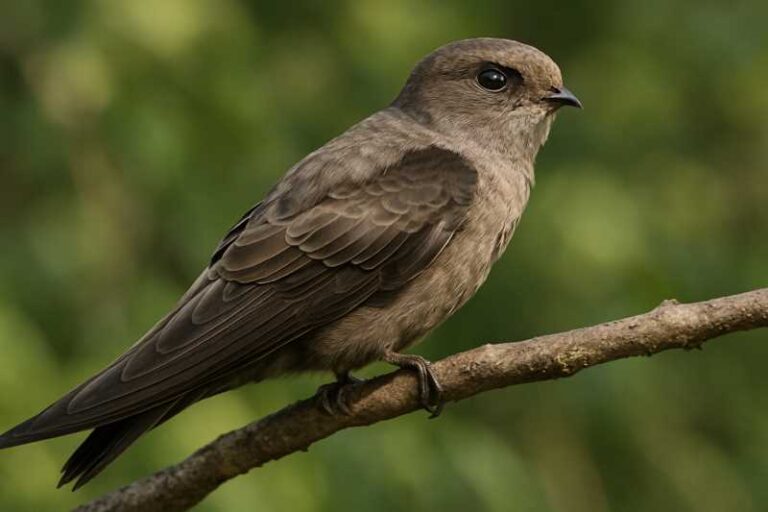
The Jacobin Cuckoo, often referred to as the Pied Cuckoo, is a medium-sized bird, measuring about 33 to 34 centimeters in length. Its striking black and white plumage makes it easily recognizable, with a glossy black upper body and contrasting white underparts. The black crest, which it can raise or lower, adds to its distinctive look. The bird’s long tail and pointed wings contribute to its graceful flight.
Habitat and Distribution
This captivating species is widely distributed across sub-Saharan Africa and South Asia, with its range extending to the Arabian Peninsula. The Jacobin Cuckoo is known to migrate, particularly in South Asia, where it arrives just before the monsoon season, earning it the nickname "Rainbird." Its arrival is often seen as a harbinger of rain, a belief deeply rooted in local folklore.
Preferring open habitats, this cuckoo is often found in lowland forests, savannas, and areas of light woodland. It is commonly spotted perched on trees or wires, scanning for potential host nests and food sources.
Breeding and Brood Parasitism
The Jacobin Cuckoo’s breeding strategy is perhaps its most intriguing aspect. It is a brood parasite, meaning it lays its eggs in the nests of other bird species, leaving the unsuspecting host to incubate and rear its young. This strategy is an evolutionary marvel, allowing the cuckoo to conserve energy and resources that would otherwise be spent on raising its chicks.
The host species are often smaller birds, such as babblers and bulbuls, whose nests are targeted for cuckoo egg deposition. The female Jacobin Cuckoo is known for its cunning and precision, often timing its egg-laying to coincide with the host’s absence. Once the cuckoo chick hatches, it may push the host’s eggs out of the nest, ensuring it receives all the food and care from the host parents.
Diet and Feeding Habits
Jacobin Cuckoos primarily feed on insects, with a strong preference for caterpillars, beetles, and grasshoppers. They are also known to consume small reptiles and occasionally, fruits. Their foraging behavior is opportunistic, often following livestock or large mammals to catch insects disturbed by their movement.
Conservation Status
Currently, the Jacobin Cuckoo is classified as a species of Least Concern by the IUCN Red List. This status is attributed to its wide distribution and stable population numbers. However, continuous monitoring is essential, as habitat loss and climate change could impact its migratory patterns and breeding success in the future.
Cultural Significance
Throughout its range, the Jacobin Cuckoo holds cultural significance, especially in South Asia. Its association with the monsoon rains has made it a symbol of hope and renewal. In some cultures, the sighting of a Jacobin Cuckoo is considered auspicious, signaling the end of drought and the beginning of the agricultural season.
Challenges and Future Research
Despite its stable population, the Jacobin Cuckoo faces challenges that warrant further research. Understanding the impact of climate change on its migratory patterns is crucial, as shifts in rainfall and temperature could affect its breeding timing and host availability. Additionally, habitat destruction poses a threat to its preferred environments, necessitating conservation efforts to preserve these areas.
Researchers are also interested in the cuckoo’s evolutionary adaptations, particularly its brood parasitism. Studying the coevolutionary arms race between cuckoos and their hosts can provide insights into the complexities of avian behavioral ecology.
Conclusion
The Jacobin Cuckoo is a testament to nature’s ability to adapt and innovate. Its striking appearance, coupled with its unique reproductive strategy, makes it a subject of endless fascination. While its current status is secure, ongoing research and conservation efforts are vital to ensure that this remarkable bird continues to thrive in its natural habitat.
As we continue to study and understand the Jacobin Cuckoo, we gain a deeper appreciation for the intricate balance of ecosystems and the remarkable adaptations of the species that inhabit them.
Related posts