The Andean Negrito: A Marvel of Avian Adaptation
The Andean Negrito (Lessonia oreas), a small yet captivating passerine bird, graces the high-altitude wetlands and grasslands of the Andes with its striking presence. As a member of the Tyrannidae family, this species is closely related to the more familiar tyrant flycatchers, yet it stands out due to its unique adaptations to the challenging Andean environment. This article delves into the fascinating world of the Andean Negrito, exploring its habitat, behavior, and the conservation efforts critical for its survival.
Habitat and Distribution
The Andean Negrito is predominantly found in the high-altitude regions of the Andes, spanning across countries such as Peru, Bolivia, Chile, and Argentina. These birds inhabit wetlands, marshes, and grassy areas at altitudes ranging from 3,000 to 4,800 meters above sea level. The harsh conditions of these regions, characterized by low oxygen levels and extreme temperature fluctuations, make the Andean Negrito’s ability to thrive here particularly remarkable.
The choice of such inhospitable habitats is largely driven by the ecological niches they offer. The wetlands and marshes provide abundant insect prey, while the open grasslands facilitate the bird’s characteristic foraging tactics. This unique habitat preference underscores the adaptability and resilience of the Andean Negrito.
Physical Characteristics
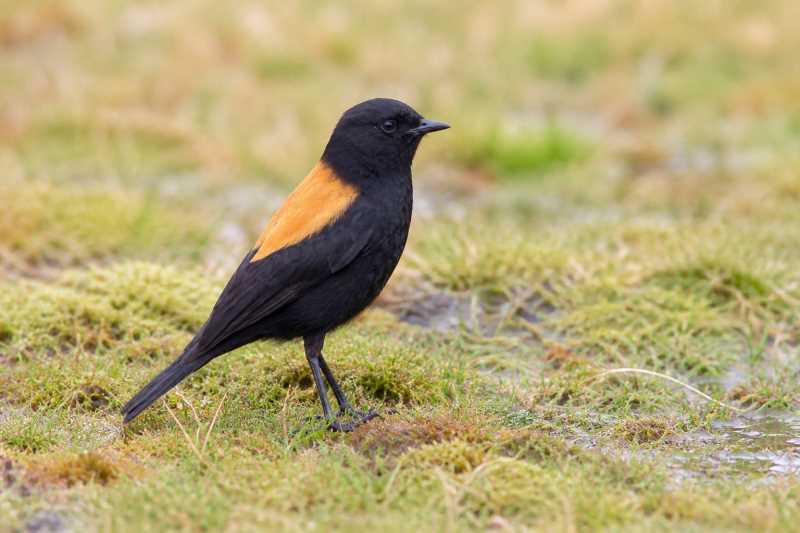
The Andean Negrito is a relatively small bird, measuring about 13 to 15 centimeters in length. Males are distinguishable by their striking black plumage with contrasting white wing patches, a feature that is especially prominent during the breeding season. Females, in contrast, exhibit a more subdued brown coloration with similar wing patterns, reflecting the classic sexual dimorphism often observed in avian species.
The bird’s compact body, coupled with its short legs and wings, is perfectly suited to the high-altitude environment it calls home. These physical attributes enable the Andean Negrito to maintain agility and speed, essential for capturing the swift, elusive insects that constitute its diet.
Behavior and Diet
The Andean Negrito is an insectivorous bird, and its feeding behavior is a fascinating spectacle. Utilizing a strategy known as ‘hawking,’ the bird catches insects in mid-air with remarkable precision. It also employs a technique called ‘ground gleaning,’ prowling through grasses and marshy areas to snatch up unsuspecting insects.
Breeding for the Andean Negrito occurs during the wet season when food is abundant. Nesting typically takes place in dense grass or shrubs, offering protection from predators and harsh weather conditions. The female primarily constructs the nest and incubates the eggs, while the male is responsible for defending the territory and assisting in feeding the fledglings.
Conservation Status and Challenges
Currently, the Andean Negrito is listed as a species of Least Concern by the International Union for Conservation of Nature (IUCN). However, like many other high-altitude species, it faces increasing threats from habitat loss and climate change. The conversion of wetlands for agriculture, coupled with the warming climate, poses significant risks to the delicate ecosystems these birds depend on.
Conservation efforts are crucial for ensuring the survival of the Andean Negrito. Initiatives focusing on habitat preservation and restoration are essential, as they help maintain the ecological balance necessary for this species and others sharing the same habitat. Raising awareness about the impact of climate change on high-altitude ecosystems is also vital for the long-term conservation of the Andean Negrito.
Conclusion
The Andean Negrito stands as a testament to the extraordinary adaptability of life in the harshest of environments. Its presence in the high-altitude wetlands of the Andes not only enriches the biodiversity of these regions but also highlights the intricate balance of nature. As we continue to confront environmental challenges, the conservation of such species becomes increasingly imperative. The Andean Negrito reminds us of the resilience of nature and the ongoing need to protect the habitats that sustain it.
By understanding and appreciating the unique characteristics and challenges faced by the Andean Negrito, we can contribute to the broader efforts of preserving the rich biodiversity of our planet. This small bird, with its remarkable adaptations, continues to capture the curiosity and admiration of ornithologists and nature enthusiasts alike.
Related posts