The Madagascar Pratincole: A Fascinating Avian Marvel
Tucked away in the biodiverse landscapes of Madagascar, an enchanting bird thrives quietly yet remarkably— the Madagascar Pratincole (Glareola ocularis). Known for its unique adaptations and migratory patterns, this species offers a window into the complex ecosystems of its native habitats. As with many species native to Madagascar, this bird is of significant interest to ornithologists and conservationists alike due to its unique ecological niche and the challenges it faces in a rapidly changing world.
A Distinctive Appearance
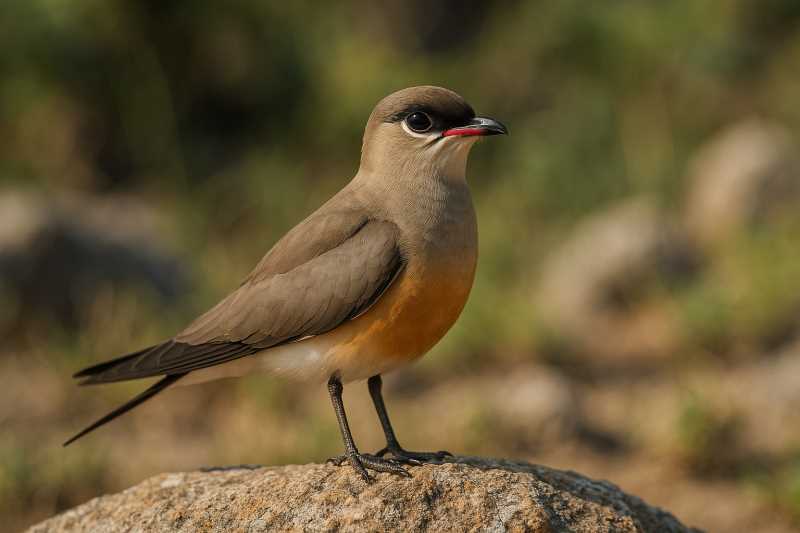
The Madagascar Pratincole is a medium-sized bird characterized by its agile flight and distinctive appearance. It sports a sleek, streamlined body ideal for its aerial lifestyle. The plumage is a harmonious blend of earthy browns and grays which provides excellent camouflage against the riverbanks and rocky outcrops it often inhabits. Notably, the species is recognized by its strikingly large eyes encircled by a white ring, a feature that not only gives the bird its scientific name—ocularis—but also aids in its keen nocturnal vision.
Habitat and Distribution
The Madagascar Pratincole primarily inhabits the island of Madagascar but has a range extending to parts of mainland Africa, including Mozambique and Tanzania during migratory periods. Within Madagascar, it favors a variety of habitats such as rocky riverbeds, open beaches, and occasionally wetlands, which provide ample feeding opportunities and nesting grounds.
Its preference for diverse habitats underscores the bird’s adaptability, yet it also highlights the bird’s vulnerability to habitat disruption. As Madagascar faces increasing deforestation and habitat conversion for agriculture, the Madagascar Pratincole’s nesting sites are continually under threat.
Behavior and Diet
Aerial prowess defines the Madagascar Pratincole, as it exhibits remarkable agility in flight. This skill is not just for show; it is integral to its hunting strategy. The bird primarily feeds on insects, which it catches mid-air with precision. Its diet includes a variety of flying insects such as beetles, flies, and ants, making it a crucial player in controlling insect populations in its habitat.
The Madagascar Pratincole is also known for its social behavior, often seen in small flocks that allow for cooperative hunting and enhanced protection against predators. During the breeding season, which coincides with the onset of the rainy season, it becomes more territorial, with pairs often returning to the same nesting sites year after year.
Reproduction and Lifespan
Breeding typically occurs from November to February when water levels are optimal for nesting along riverbanks. The female lays a clutch of two to three eggs, camouflaged against the pebbles. Both parents participate in incubation, a testament to their monogamous partnership. The young chicks are precocial, leaving the nest within days of hatching to begin their life of active foraging.
The lifespan of the Madagascar Pratincole in the wild remains largely undocumented, but like many birds of its size, it is presumed to live for several years, assuming it can evade the numerous threats it faces.
Conservation Status and Threats
The International Union for Conservation of Nature (IUCN) currently classifies the Madagascar Pratincole as Near Threatened. This status reflects its declining population, primarily due to habitat loss and degradation. Deforestation, agricultural expansion, and the development of hydroelectric dams pose significant threats to its habitat.
Moreover, climate change presents a looming threat by altering the delicate balance of the ecosystems it inhabits, potentially affecting food availability and nesting conditions. Conservation efforts are crucial in mitigating these threats, with a focus on habitat preservation and sustainable land management practices.
The Road Ahead: Conservation Efforts
Efforts to conserve the Madagascar Pratincole are intertwined with broader initiatives to protect Madagascar’s unique biodiversity. Conservation organizations are working to establish protected areas and implement community-based conservation programs. These initiatives aim to balance the needs of local populations with ecological preservation.
Research continues to play a vital role in understanding the ecology of the Madagascar Pratincole. Studies on its migratory patterns, breeding success, and population dynamics are critical as they inform conservation strategies and policy decisions.
Conclusion
The Madagascar Pratincole serves as a poignant reminder of the delicate balance within ecosystems and the profound impact of human activity on wildlife. Protecting this species requires concerted efforts from governments, conservationists, and local communities alike. As we deepen our understanding of its role within Madagascar’s ecosystems, we come to appreciate the intricate web of life that this unique bird helps sustain, underscoring the urgent need for action to ensure its survival for generations to come.
Related posts