The Giant Nuthatch: A Closer Look at an Enigmatic Avian Marvel
The Giant Nuthatch (Sitta magna) stands as a remarkable testament to the diversity and wonder of avian life. As the largest member of the nuthatch family, this bird’s unique characteristics and behaviors have intrigued ornithologists and bird enthusiasts alike. Endemic to the forests of Southeast Asia, particularly in Myanmar, Thailand, and Laos, the Giant Nuthatch is not only a symbol of the region’s rich biodiversity but also a focal point of conservation efforts due to its vulnerable status.
Physical Characteristics
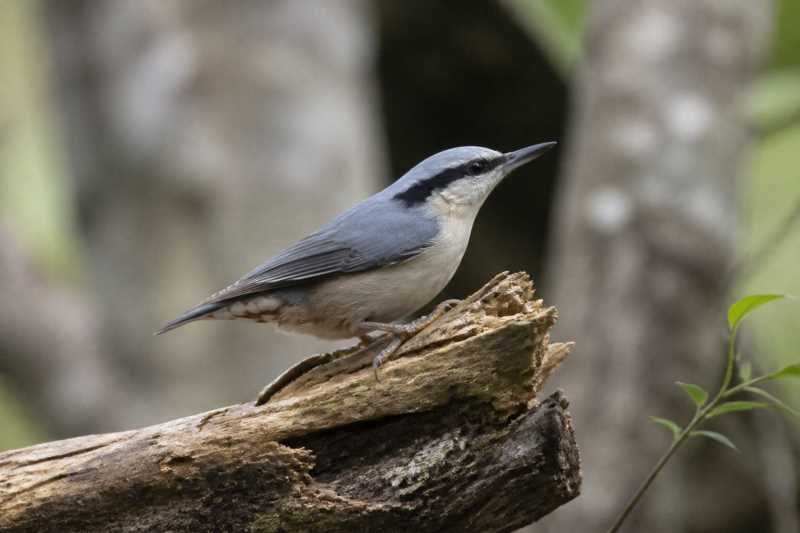
The Giant Nuthatch is aptly named for its impressive size relative to other nuthatches. Measuring approximately 19.5 cm (7.7 inches) in length, it dwarfs its relatives, which typically measure around 10-14 cm. This bird is characterized by its striking blue-gray upperparts and contrasting whitish underparts. Its most distinguishing feature is its large, robust bill, which it uses skillfully to forage for insects and seeds. The bird’s stout legs and strong feet are well-adapted for its arboreal lifestyle, allowing it to navigate tree trunks and branches with ease.
Habitat and Distribution
The Giant Nuthatch inhabits montane forests, typically between 1,000 and 2,500 meters above sea level. These forests are primarily composed of pine and oak trees, which provide both food and nesting sites. The species’ range is limited to a few fragmented populations across its native countries. Such a restricted distribution makes the Giant Nuthatch particularly susceptible to habitat loss and environmental changes.
Behavior and Diet
True to nuthatch form, the Giant Nuthatch exhibits a remarkable ability to move headfirst down tree trunks, a behavior that aids in its search for food. Its diet consists predominantly of insects, particularly beetle larvae and ants, which it extracts from crevices in the bark. Additionally, the bird consumes seeds and nuts, often wedging them into bark crevices to break them open with its powerful bill.
The Giant Nuthatch is generally observed either in pairs or small family groups. During the breeding season, which occurs from March to June, these birds become more territorial. They nest in tree cavities, often those created by woodpeckers, and line them with bark strips and other plant materials.
Conservation Status
The Giant Nuthatch is classified as "Vulnerable" on the IUCN Red List of Threatened Species. This status is primarily due to habitat destruction, driven by logging and land conversion for agriculture. The fragmentation of its montane forest habitat poses a significant threat to its survival, as it limits the available territory and resources necessary for sustaining viable populations.
Conservation efforts are critical to preserving this species. Initiatives aimed at protecting and restoring its habitat are essential. Additionally, fostering local awareness and involvement in conservation efforts can play a significant role in the bird’s survival. Protected areas that encompass the Giant Nuthatch’s natural habitat are crucial, as they offer a refuge from the pressures of human encroachment.
Observing the Giant Nuthatch
For birdwatchers and nature enthusiasts, observing the Giant Nuthatch in its natural habitat is a rewarding experience. The best opportunities to spot this elusive bird are in the early mornings and late afternoons when it is most active. Equipped with a pair of binoculars and a field guide to Southeast Asian birds, one can embark on a journey through the region’s montane forests in search of this magnificent avian species.
Conclusion
The Giant Nuthatch serves as a poignant reminder of the intrinsic value of biodiversity and the intricate balance of ecosystems. As we continue to study and appreciate this avian giant, it is imperative that we also advocate for the protection of its habitat and the broader environment. Through collective conservation efforts, we can ensure that future generations will have the opportunity to marvel at the Giant Nuthatch and the myriad other wonders of the natural world.
In conclusion, the Giant Nuthatch is not just a bird; it is a symbol of the challenges and triumphs in the realm of conservation biology. With continued research and dedicated preservation efforts, we can hope to see this magnificent bird thrive in its native forests for years to come.
Related posts