The Enigmatic Black-naped Fruit Dove: A Jewel of the Avian World
The Black-naped Fruit Dove (Ptilinopus melanospilus) is a captivating species that enchants birdwatchers and ornithologists alike with its vibrant plumage and unique behaviors. Found primarily in Southeast Asia, particularly in the Philippines and Indonesia, this bird represents the rich biodiversity of the region and adds to the allure of tropical rainforests.
Habitat and Distribution
The Black-naped Fruit Dove thrives in the lush, dense forests of Southeast Asia. It is predominantly found in the lowland and montane rainforests of the Philippines and the Sunda Islands in Indonesia. These birds prefer habitats that provide abundant fruiting trees, which are essential for their diet. As a relatively elusive species, they are often heard before they are seen, their soft cooing calls echoing through the forest canopy.
Physical Characteristics
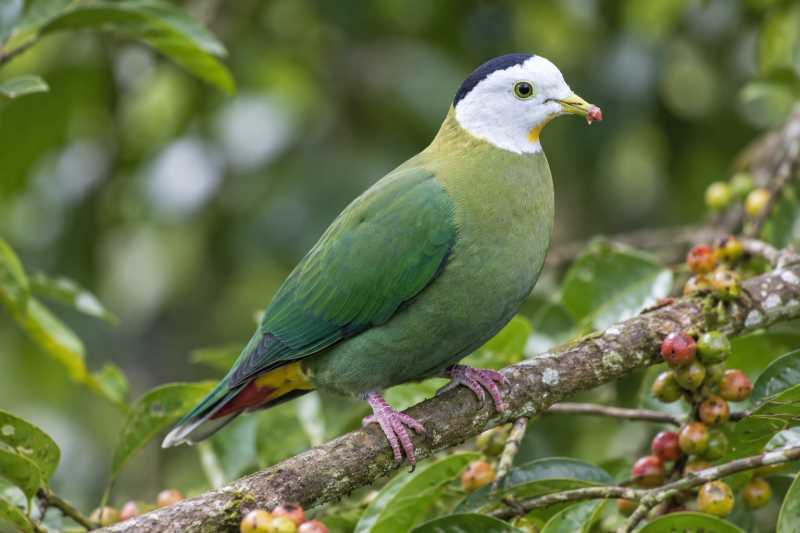
One of the most striking features of the Black-naped Fruit Dove is its brilliant plumage. The male exhibits a vibrant combination of green and yellow feathers, with a distinctive black nape from which it gets its name. The underparts are usually paler, providing a stark contrast to the darker shades on its back. Females are slightly duller in coloration, aiding in camouflage while nesting.
The dove is a medium-sized bird, measuring about 27-30 centimeters in length. It has a short tail and strong wings, adapted for agile flight within the dense foliage of its forest home. Its beak is small and slightly curved, ideal for plucking fruits.
Diet and Feeding Habits
Frugivorous by nature, the Black-naped Fruit Dove primarily feeds on a variety of fruits, with figs being a particular favorite. Their feeding habits play a crucial role in seed dispersal, contributing to the health and regeneration of their forest habitats. By consuming fruits and excreting the seeds elsewhere, these doves help maintain the delicate ecosystem balance, promoting biodiversity.
During feeding, these doves exhibit a remarkable degree of dexterity, often hanging upside down to reach fruit in seemingly inaccessible places. Their strong feet and agile movements allow them to forage effectively, even in the densest parts of the forest.
Breeding and Reproduction
The breeding season for the Black-naped Fruit Dove usually coincides with the peak fruiting periods of their habitat, ensuring ample food supply for the growing chicks. The courtship displays are a fascinating spectacle, with males performing a series of bows and coos to attract a mate.
Once a pair forms, they work together to build a nest, typically a loose platform of twigs situated in the fork of a tree. The female usually lays a single egg, which both parents incubate. After hatching, both parents share the responsibility of feeding and caring for the chick, regurgitating pre-digested fruit to nourish their young.
Conservation Status
While the Black-naped Fruit Dove is currently listed as Least Concern by the IUCN, it faces threats from habitat loss and fragmentation due to deforestation and agricultural expansion. Conservation efforts are crucial to ensure the survival of this species, as their habitat continues to shrink. Protecting their natural environment and promoting sustainable land-use practices are essential steps in preserving the biodiversity of the regions they inhabit.
Cultural Significance and Ecotourism
In addition to their ecological importance, Black-naped Fruit Doves hold cultural significance in various indigenous communities. They are often featured in folklore and are considered symbols of peace and prosperity.
The presence of these doves in the wild also boosts ecotourism, attracting birdwatchers and nature enthusiasts from around the world. This not only raises awareness about their ecological role but also provides economic incentives for local communities to engage in conservation efforts.
Conclusion
The Black-naped Fruit Dove is a remarkable example of nature’s artistry, with its striking appearance and vital ecological role. As we continue to explore and understand the complexities of our planet’s ecosystems, the preservation of such species becomes increasingly important. Ensuring the survival of the Black-naped Fruit Dove is not only about protecting a beautiful bird but also about maintaining the intricate balance of life in the tropical rainforests of Southeast Asia. Through concerted conservation efforts and sustainable practices, we can hope to see these doves thrive for generations to come.
Related posts