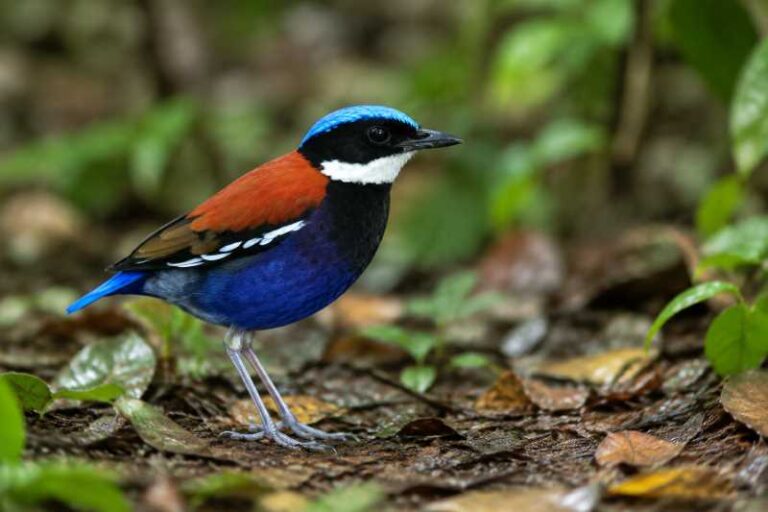
The European Bee-eater (Merops apiaster): A Jewel of the Skies
The European Bee-eater (Merops apiaster) is an avian marvel, known for its vivid plumage and fascinating behaviors. This species, belonging to the family Meropidae, is celebrated not only for its striking beauty but also for its ecological significance and intriguing migratory patterns. Found across Southern Europe, parts of North Africa, and Western Asia, the European Bee-eater embarks on an epic journey annually, migrating to sub-Saharan Africa during the colder months. This article delves into the captivating world of the European Bee-eater, exploring its physical characteristics, habitat, diet, breeding habits, and conservation status.
Physical Characteristics
The European Bee-eater is often described as a living kaleidoscope. Its plumage is a brilliant blend of colors that include a golden-brown crown, emerald green wings, and a striking turquoise underbelly. The bird’s back and rump are a rich chestnut brown, while its tail feathers are tinged with blue. A distinct black eye stripe runs across its red eyes, adding to its striking appearance. Measuring about 27 to 29 centimeters in length, including the tail, and boasting a wingspan of around 44 to 49 centimeters, the bee-eater is a medium-sized bird. Both males and females share similar coloration, although males may exhibit slightly more vibrant hues.
Habitat and Distribution
European Bee-eaters thrive in open landscapes that offer ample flying space and abundant insect life. They are commonly found in river valleys, open woodlands, farmland, and even sandy areas with sparse vegetation. During the breeding season, which typically occurs from May to August, these birds favor nesting sites on sandy banks or cliffs where they can excavate tunnels to lay their eggs.
Their geographical range is extensive, covering a vast area from southern Europe to parts of northwestern India. During the non-breeding season, they migrate to sub-Saharan Africa, where they can be found in savannas and open forests. This long-distance migration is a testament to their adaptability and endurance.
Diet and Feeding Behavior
As their name suggests, European Bee-eaters primarily feed on bees and other flying insects. They have a unique method of capturing and consuming these often dangerous prey. Once a bee-eater catches a bee, it returns to a perch and repeatedly strikes the insect against the branch to remove its venomous stinger. This behavior is not only fascinating but also highlights the bird’s remarkable instinct and skill.
In addition to bees, their diet includes a variety of other insects such as wasps, dragonflies, and beetles. Their impressive aerial acrobatics, characterized by swift, agile flights, make them highly efficient hunters capable of capturing prey mid-flight.
Breeding and Social Behavior
European Bee-eaters are highly social birds, often forming colonies that can consist of dozens of pairs. The breeding process begins with the excavation of nesting tunnels that can reach depths of up to two meters. These tunnels are typically dug in sandy banks or cliffs, providing protection for their eggs and chicks.
A typical clutch consists of four to seven eggs, which are incubated primarily by the female, although males often assist by bringing food. After an incubation period of about three weeks, the chicks hatch and are cared for by both parents. The young fledge approximately 30 days after hatching, although they may remain dependent on their parents for food for several weeks thereafter.
European Bee-eaters are known for their cooperative breeding behavior, where non-breeding individuals may assist in the care of the young. This social structure not only enhances the survival rate of the chicks but also strengthens the bonds within the colony.
Conservation Status and Threats
The European Bee-eater is currently classified as Least Concern by the International Union for Conservation of Nature (IUCN), thanks to its wide distribution and stable population levels. However, like many other bird species, they face threats from habitat destruction, pesticide use, and climate change.
Agricultural expansion and the subsequent loss of natural habitats pose significant challenges for these birds, reducing the availability of suitable nesting and foraging sites. Additionally, the use of pesticides in farming practices can deplete their food sources and directly harm bee-eater populations through poisoning.
Conservation efforts aimed at protecting their habitats and promoting sustainable agricultural practices are essential to ensure the long-term survival of European Bee-eaters. Public awareness and education about the ecological roles of these birds can further aid in their conservation.
Conclusion
The European Bee-eater is not only a visual delight but also an integral part of the ecosystems it inhabits. Its role in controlling insect populations and its remarkable migratory journey make it a species worthy of admiration and protection. As we continue to face global environmental challenges, the European Bee-eater serves as a reminder of the incredible biodiversity on our planet and the responsibility we share to preserve it for future generations.
Related posts