The Vibrant World of the Chestnut-headed Bee-eater (Merops leschenaulti)
The Chestnut-headed Bee-eater (Merops leschenaulti) is a captivating avian species that commands attention with its dazzling plumage and intriguing behaviors. Found primarily in the wooded regions of South and Southeast Asia, this bird exemplifies the beauty and biodiversity of the region. Known for its distinctive coloration and dynamic social habits, the Chestnut-headed Bee-eater is a subject of interest for ornithologists and bird enthusiasts alike.
Habitat and Distribution
The Chestnut-headed Bee-eater is predominantly found in open forests and clearings, favoring areas that are close to water bodies. Its range extends across the Indian subcontinent, Southeast Asia, and parts of the Indonesian archipelago. This wide distribution is a testament to the bird’s adaptability to various environments, from lowland forests to foothills and even plantation landscapes.
These bee-eaters are partial migrants, with some populations moving seasonally to exploit different habitats and food resources. They are commonly sighted in countries like India, Sri Lanka, Thailand, Malaysia, and Indonesia. Their presence in diverse ecological zones underscores their ability to thrive in varied climatic conditions, although they generally prefer warm, tropical environments.
Physical Characteristics
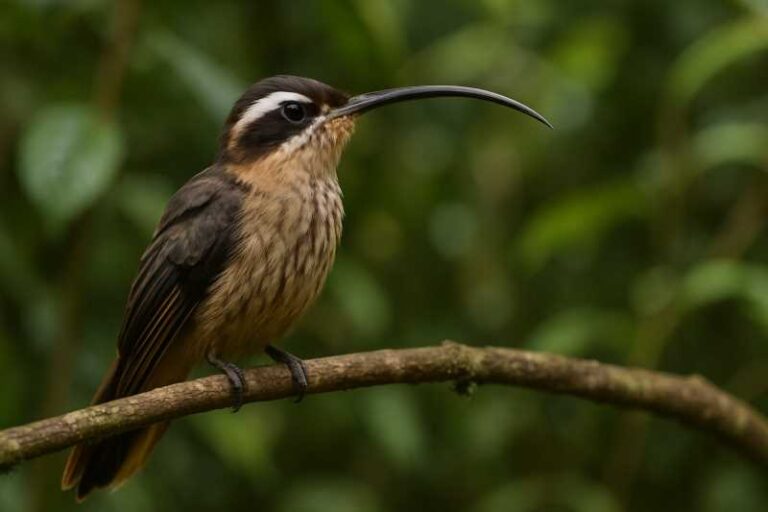
The Chestnut-headed Bee-eater is renowned for its striking appearance. Its head and crown are a rich chestnut color, which contrasts vividly with its bright green body. The throat is a vibrant yellow, and a black stripe extends from the base of the bill through the eyes, creating a striking mask. The bird’s wings and tail typically display shades of blue and green, contributing to its overall kaleidoscopic appearance.
Measuring about 18-20 centimeters in length, the Chestnut-headed Bee-eater is relatively small compared to other members of the Meropidae family. Despite its size, its long, slender bill and aerodynamic body enable it to deftly catch insects mid-flight, a skill that is both a marvel of nature and a necessity for its survival.
Feeding Habits
As its name suggests, the Chestnut-headed Bee-eater has a penchant for bees and similar insects. Its diet is primarily composed of flying insects, including bees, wasps, dragonflies, and butterflies. The bird’s hunting strategy is both fascinating and efficient. Perched on a high vantage point, the bee-eater spots its prey and launches into a swift aerial pursuit, capturing the insect with its agile bill.
Upon catching a bee, the bird returns to its perch and deftly removes the stinger by repeatedly striking the insect against the branch. This behavior not only showcases the bird’s intelligence and adaptability but also ensures it can safely enjoy its meal without the risk of being stung.
Breeding and Social Structure
The breeding season for the Chestnut-headed Bee-eater varies depending on its geographical location, typically occurring during the warmer months when food is abundant. These birds are known for their cooperative breeding habits, often nesting in colonies that can include dozens of pairs.
Nesting typically takes place in sandy banks or flat ground where the birds excavate horizontal tunnels. These tunnels can be up to a meter long and end in a nesting chamber where the female lays 4-7 white eggs. Both parents share the responsibility of incubating the eggs and feeding the chicks once they hatch, highlighting their strong pair bonds and cooperative care.
Socially, bee-eaters are gregarious birds, often seen in flocks. Their social structure is complex, with evidence of altruistic behavior where non-breeding individuals assist in feeding and caring for the chicks in the colony. This cooperative breeding is believed to enhance the survival rate of the young and strengthen the social cohesion of the colony.
Conservation Status and Threats
Currently, the Chestnut-headed Bee-eater is listed as a species of Least Concern by the International Union for Conservation of Nature (IUCN). However, like many wildlife species, it faces threats from habitat loss and environmental changes. Deforestation, agricultural expansion, and urbanization have led to the destruction and fragmentation of their natural habitats, posing a significant challenge to their populations.
Despite these threats, the adaptability of the Chestnut-headed Bee-eater provides some hope for its continued survival. Conservation efforts focusing on habitat preservation and environmental education are crucial in ensuring that these birds remain a vibrant part of the ecosystem.
The Importance of Bee-eaters in Ecosystems
Bee-eaters play a vital role in their ecosystems, particularly in controlling insect populations. By preying on bees and other insects, they help maintain a balance, which is crucial for the health of many plant and animal communities. Additionally, their presence can be an indicator of environmental health, as they require a stable and diverse ecosystem to thrive.
Birdwatchers and nature enthusiasts are often drawn to the Chestnut-headed Bee-eater due to its vibrant colors and engaging behaviors. This interest can be leveraged to promote ecotourism, which in turn can support conservation efforts and foster a greater appreciation for the natural world.
In conclusion, the Chestnut-headed Bee-eater is not only a fascinating subject of study for its aesthetics and behaviors but also an integral component of its ecosystem. As we continue to learn more about this remarkable bird, it is crucial to support conservation initiatives that protect its habitat and ensure its survival for future generations to enjoy.
Meta Title
“Chestnut-headed Bee-eater: A Vibrant Avian Marvel”
Meta Description
“Explore the striking Chestnut-headed Bee-eater, its habitat, behavior, and role in the ecosystem. A vibrant symbol of biodiversity in South and Southeast Asia.”
Related posts