Introduction
The Dwarf Cuckoo (Coccycua pumila) is a captivating avian species that intrigues ornithologists and bird enthusiasts alike. With its discreet nature and fascinating behaviors, this bird offers a unique glimpse into the complexity of avian life. This article delves into the various aspects of the Dwarf Cuckoo, including its taxonomy, physical characteristics, habitat, behavior, and conservation status.
Taxonomy and Classification
The Dwarf Cuckoo belongs to the family Cuculidae, which encompasses a diverse group of birds commonly known as cuckoos. The scientific name, Coccycua pumila, reflects its diminutive size and its classification within the genus Coccycua. This genus includes various small to medium-sized cuckoos that are primarily found in Central and South America. The taxonomic journey of the Dwarf Cuckoo has seen some revisions, but it is currently placed in its rightful position among its closest relatives.
Physical Characteristics
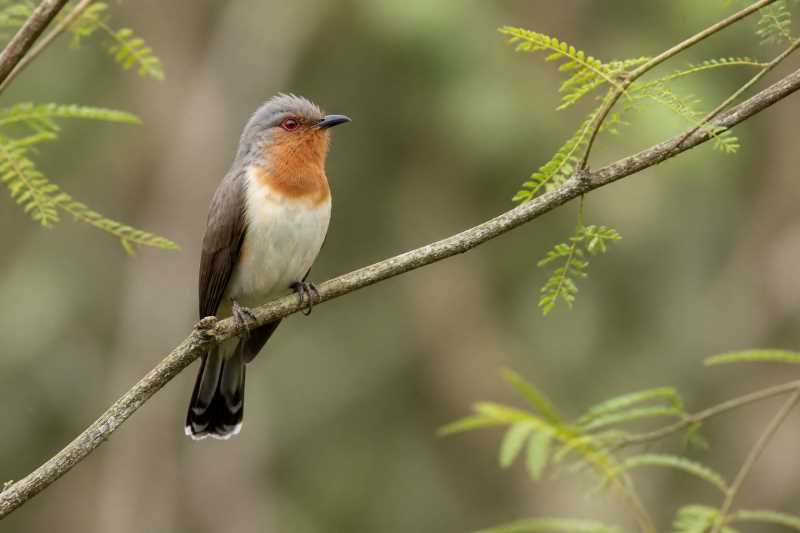
The Dwarf Cuckoo is aptly named for its small stature, typically measuring around 15-18 centimeters in length. Its plumage is predominantly brown, with subtle variations that aid in camouflage within its natural habitat. The underparts are lighter, often with a buff or creamy hue, while the wings and tail exhibit a slightly darker tone. One of the distinguishing features of the Dwarf Cuckoo is its slender, slightly curved bill, which is adapted for its feeding habits.
Habitat and Distribution
This elusive bird is primarily found in the tropical and subtropical regions of Central and South America. Its range extends from southern Mexico down through parts of Colombia, Venezuela, and Ecuador. The Dwarf Cuckoo favors dense forests, woodlands, and scrubby areas, where it can blend seamlessly into the foliage. Its preference for thick vegetation often makes it a challenge to observe in the wild, contributing to its mysterious reputation.
Behavior and Ecology
Feeding Habits
The Dwarf Cuckoo is an insectivore, feeding predominantly on a variety of insects and other small invertebrates. It employs a technique known as "sit-and-wait," perching silently on branches and scanning for prey. Once it spots a potential meal, it swiftly catches it in flight or gleans it from leaves and branches.
Breeding and Reproduction
One of the most intriguing aspects of cuckoo behavior is their reproductive strategy. Like many of its relatives, the Dwarf Cuckoo is a brood parasite. It lays its eggs in the nests of other bird species, leaving the unwitting host to incubate and rear its young. This strategy allows the Dwarf Cuckoo to conserve energy for foraging and other activities, but it also leads to complex ecological interactions with host species.
Vocalizations
The vocal repertoire of the Dwarf Cuckoo is relatively limited compared to other birds. Its calls are typically soft and unobtrusive, often described as a series of low, repetitive notes. These vocalizations play a vital role in communication between individuals, particularly during the breeding season.
Conservation Status and Threats
Currently, the Dwarf Cuckoo is not considered to be at high risk of extinction. It is classified as "Least Concern" by the International Union for Conservation of Nature (IUCN). However, like many forest-dwelling species, it faces threats from habitat loss due to deforestation and agricultural expansion. Conservation efforts aimed at preserving tropical forests are crucial to ensuring the long-term survival of the Dwarf Cuckoo and countless other species.
Conclusion
The Dwarf Cuckoo is a remarkable example of avian adaptation and survival. Its discreet nature, complex behaviors, and ecological significance make it a subject of fascination for those interested in the natural world. Continued research and conservation efforts are essential to protect this species and its habitat, ensuring that future generations can appreciate the beauty and intricacies of the Dwarf Cuckoo.
References
- BirdLife International. (2023). Species factsheet: Coccycua pumila.
- Forshaw, J. M. (2015). "Encyclopedia of Birds".
- Schulenberg, T. S., Stotz, D. F., & Lane, D. F. (2010). "Birds of South America: Passerines".
Author’s Note
This article was composed to provide a comprehensive overview of the Dwarf Cuckoo, highlighting its unique characteristics and the importance of its conservation. For avid birdwatchers and conservationists, understanding such species contributes to a broader appreciation and advocacy for biodiversity.
Related posts