The Chattering Cisticola: A Closer Look at the Elusive Songbird
The Chattering Cisticola, scientifically known as Cisticola anonymus, is a fascinating and often overlooked member of the Cisticolidae family. Known for its distinctive vocalizations, this small passerine bird is a remarkable example of adaptation and survival in diverse ecosystems across Sub-Saharan Africa. In this comprehensive article, we explore the Chattering Cisticola’s characteristics, habitat, behavior, and conservation status, highlighting the unique aspects that make this bird a subject of interest for ornithologists and bird enthusiasts alike.
Physical Characteristics
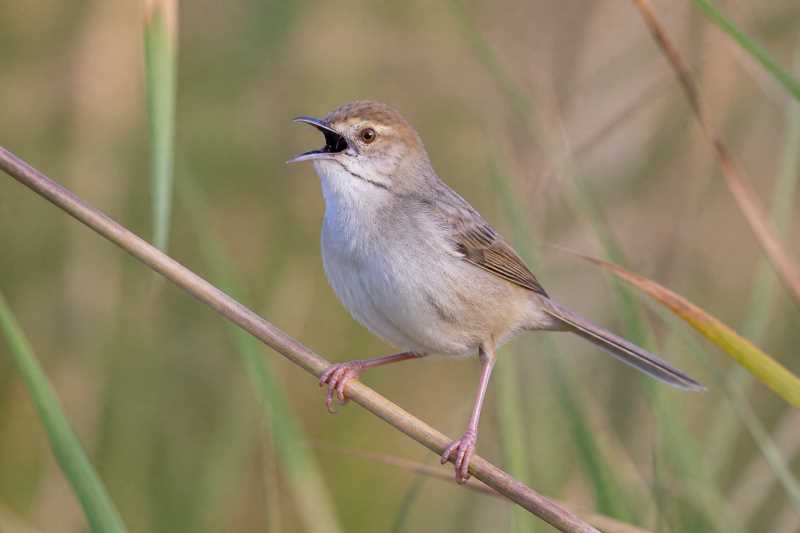
The Chattering Cisticola is a small bird, measuring approximately 11 to 13 centimeters in length, with a wingspan of about 15 to 18 centimeters. It weighs between 8 to 15 grams, making it a diminutive yet agile flyer. Its plumage is predominantly brown, providing excellent camouflage in its natural habitat. The upperparts are streaked with dark brown, while the underparts are a paler, buffy color. The bird’s tail is relatively short and exhibits a distinctive pattern with darker tips and lighter bases.
One of the most striking features of the Chattering Cisticola is its vocal prowess. The bird is named for its constant chattering calls, which can be described as a series of rapid, high-pitched notes. These vocalizations play a crucial role in communication, territory establishment, and mating rituals.
Habitat and Distribution
The Chattering Cisticola is widely distributed across Sub-Saharan Africa, inhabiting a range of environments from grasslands and savannahs to wetlands and agricultural fields. It is particularly prevalent in regions where tall grasses and reeds provide ample cover and nesting sites. Countries where the Chattering Cisticola is commonly found include Nigeria, Cameroon, Uganda, Kenya, and Tanzania, among others.
The bird’s preference for dense vegetation is a key factor in its habitat selection. It thrives in areas where it can easily hide from predators while foraging for insects and small invertebrates. The availability of water sources, such as rivers and lakes, also influences its distribution, as these areas support a rich diversity of prey.
Behavior and Ecology
The Chattering Cisticola is a highly active and social bird, often observed in pairs or small family groups. Its behavior is characterized by constant movement and vocalization, as it flits through the vegetation in search of food. The bird’s diet primarily consists of insects, spiders, and other small invertebrates, which it skillfully captures using its sharp beak.
Breeding in Chattering Cisticolas is typically timed with the rainy season, when food resources are abundant. The species is known for its elaborate courtship displays, which involve intricate flights and vocal exchanges. Nesting occurs in dense vegetation, where the female constructs a small, cup-shaped nest using grasses and other plant materials. The nest is often well-concealed to protect against predators.
Chattering Cisticolas are known for their monogamous breeding pairs, with both the male and female participating in the rearing of the young. The female typically lays two to four eggs, which are incubated for about 14 days. Once hatched, the chicks are fed by both parents and fledge after approximately two weeks.
Conservation Status
The Chattering Cisticola is currently classified as a species of Least Concern by the International Union for Conservation of Nature (IUCN). This classification reflects its wide distribution and stable population numbers. However, like many other bird species, the Chattering Cisticola faces threats from habitat destruction and environmental changes.
Agricultural expansion, deforestation, and wetland drainage pose significant risks to the bird’s natural habitat. Additionally, climate change has the potential to alter the availability of resources and the composition of ecosystems where the Chattering Cisticola resides. Conservation efforts aimed at preserving wetlands and grasslands, as well as sustainable agricultural practices, are essential to ensure the long-term survival of this species.
Conclusion
The Chattering Cisticola is a remarkable bird, whose adaptability and resilience allow it to thrive in a variety of environments across Sub-Saharan Africa. Its distinctive vocalizations and behaviors make it a fascinating subject of study for ornithologists and birdwatchers. While currently not at immediate risk, ongoing conservation efforts are vital to safeguarding its habitat and ensuring that future generations can continue to enjoy the presence of this charming songbird.
The Chattering Cisticola’s story is a reminder of the intricate web of life that exists within our ecosystems and the importance of preserving biodiversity. By understanding and protecting species like the Chattering Cisticola, we contribute to the health and balance of the natural world.
Related posts