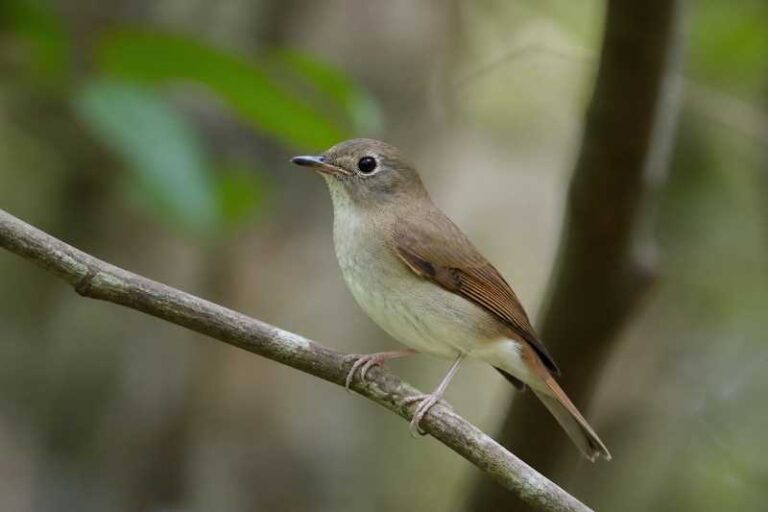
The Common Kingfisher: A Jewel of the Waterways
The Common Kingfisher (Alcedo atthis) is a marvel of avian beauty and a symbol of graceful precision in the natural world. This small, brightly colored bird captivates birdwatchers and nature enthusiasts with its stunning appearance and remarkable hunting skills. Found across Europe, Asia, and North Africa, the Common Kingfisher is a familiar sight along rivers, lakes, and wetlands, where it plays a vital role in the ecosystem.
Physical Characteristics
The Common Kingfisher is renowned for its striking plumage. Measuring around 16 to 17 cm in length, with a wingspan of 24 to 26 cm, it is a small bird that packs a visual punch. The kingfisher’s back, wings, and tail are a vibrant blue, which can appear iridescent in sunlight, while its underparts are a rich orange. Its head is adorned with a distinctive azure-blue crown, and it has a long, sharp black bill, perfectly adapted for its piscivorous diet.
One of the most fascinating aspects of the kingfisher’s appearance is its ability to blend with its surroundings despite its vivid colors. This is due to the bird’s counter-shaded coloring—darker on top and lighter underneath—which helps it to camouflage against the water when viewed from above or below.
Habitat and Distribution
The Common Kingfisher thrives in a variety of freshwater habitats, including rivers, streams, lakes, ponds, and estuaries. It prefers clear, slow-moving waters rich in small fish. Its distribution is vast, spanning from the British Isles across Europe and Asia to Japan, and from North Africa to the Middle East. In some regions, the kingfisher is a migratory bird, traveling short distances to find open water during the colder months.
Kingfishers are territorial birds, often aggressively defending their stretch of river or lake from intruders. They require perches such as branches or rocks from which they can hunt, as well as steep, earthen banks where they excavate their nesting burrows.
Feeding and Hunting Techniques
The Common Kingfisher’s diet primarily consists of small fish, which it catches with remarkable efficiency. It uses its keen eyesight to detect prey from a perch or while hovering above the water. Once a fish is spotted, the kingfisher dives with incredible speed and precision, using its sharp bill to snatch the prey.
The kingfisher’s hunting technique is a masterpiece of natural engineering. Its eyes are adapted to compensate for refraction in water, and it can accurately judge depth and distance. After capturing a fish, the kingfisher returns to its perch to stun the prey by beating it against the branch, making it easier to swallow headfirst.
Reproduction and Lifecycle
The breeding season for the Common Kingfisher typically begins in the spring. Courtship involves spectacular aerial displays and gift-giving in the form of fish. Once paired, the birds work together to excavate a nesting burrow in a riverbank. The nest is a narrow tunnel, extending up to a meter in length, ending in a small chamber where the female lays between 5 to 7 eggs.
Both parents share the responsibility of incubating the eggs and feeding the chicks once they hatch. The young kingfishers fledge about 23-27 days after hatching, but they continue to rely on their parents for food for several weeks before becoming fully independent.
Conservation Status and Threats
The Common Kingfisher is currently listed as “Least Concern” by the International Union for Conservation of Nature (IUCN), but its populations are declining in some areas due to habitat destruction, pollution, and waterway modifications. Loss of suitable breeding sites and declines in fish populations can significantly impact local kingfisher populations.
Conservation efforts focus on preserving and restoring habitats, ensuring clean waterways, and protecting nesting sites. Public awareness campaigns also play a crucial role in educating communities about the importance of biodiversity and the need to safeguard these beautiful birds and their habitats.
The Kingfisher in Culture
Throughout history, the Common Kingfisher has been revered in various cultures. Its brilliant colors and expert fishing skills have inspired folklore, art, and literature. In some traditions, the kingfisher is seen as a symbol of peace, prosperity, and good fortune.
In conclusion, the Common Kingfisher is more than just a beautiful bird; it is an integral part of the aquatic ecosystems it inhabits. Its presence indicates a healthy environment, and its behavior offers insights into the delicate balance of nature. Protecting this vibrant species ensures the continued enjoyment and health of our natural waterways for generations to come.
Related posts