The Cocoi Heron: A Comprehensive Overview
Introduction
The Cocoi Heron (Ardea cocoi) is a striking bird native to South America, known for its impressive stature and elegant appearance. As a member of the Ardeidae family, which includes other herons and egrets, the Cocoi Heron is the largest heron in South America. This article delves into the various aspects of the Cocoi Heron, including its habitat, behavior, diet, and conservation status, providing a comprehensive overview of this remarkable bird.
Taxonomy and Physical Description
The Cocoi Heron belongs to the genus Ardea, which encompasses large herons known for their long legs, necks, and distinctive plumage. Scientifically classified as Ardea cocoi, this species exhibits sexual monomorphism, meaning males and females are similar in appearance.
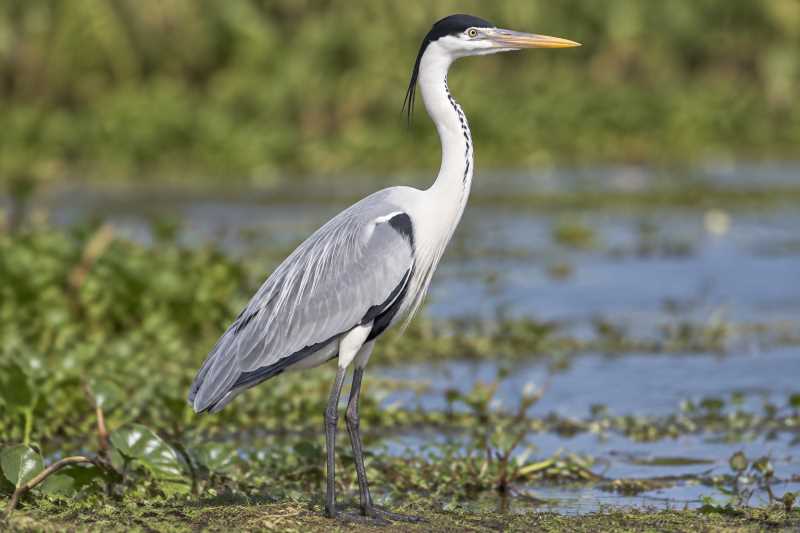
Physically, the Cocoi Heron is impressive, measuring between 95 to 130 centimeters in length and boasting a wingspan of up to 200 centimeters. Its plumage is predominantly gray, with a striking contrast of white on the head and neck. The black cap and crest, along with the striking yellow bill, add to its distinctive appearance. During the breeding season, adults develop elongated plumes on their heads and necks, enhancing their aesthetic appeal.
Habitat and Distribution
The Cocoi Heron is widely distributed across South America, with its range extending from Panama in Central America to Argentina and Chile in the southern parts of the continent. It thrives in a variety of wetland habitats, including marshes, rivers, lakes, mangroves, and coastal regions. The species is highly adaptable, capable of inhabiting both freshwater and brackish environments.
Wetlands in the Amazon Basin, the Pantanal region in Brazil, and the river systems of Paraguay and Uruguay are notable strongholds for the Cocoi Heron. Its preference for wetland habitats is driven by the abundance of prey and the availability of suitable nesting sites.
Behavior and Ecology
Cocoi Herons are primarily solitary birds, although they may be observed in pairs or small groups, particularly during the breeding season. They are diurnal, meaning they are active during the day, with peak activity observed during early morning and late afternoon.
These herons are known for their patient hunting technique. Standing still for extended periods, they wait for unsuspecting prey to come within striking distance before swiftly capturing it with their sharp bills. Their diet is diverse, consisting mainly of fish, but also includes amphibians, reptiles, insects, and small mammals.
Breeding and Reproduction
The breeding season of the Cocoi Heron varies geographically, often coinciding with the rainy season when food is abundant. Nesting typically occurs in colonies, which may include other species of herons and waterbirds.
Nests are constructed using sticks and are usually built in trees or shrubs near water bodies. Both parents participate in the incubation of the eggs, which ranges from two to four per clutch. Incubation lasts about 25 to 30 days, and both parents are involved in feeding and caring for the chicks until they fledge.
Conservation Status and Threats
The Cocoi Heron is currently classified as "Least Concern" by the International Union for Conservation of Nature (IUCN). This status reflects its wide distribution and relatively stable population numbers. However, like many wetland species, the Cocoi Heron faces potential threats from habitat destruction, pollution, and climate change.
Wetland drainage for agriculture, urban development, and contamination of water bodies with pesticides and industrial pollutants pose significant risks. Conservation efforts focusing on habitat protection and sustainable management of wetland ecosystems are crucial for ensuring the long-term survival of the Cocoi Heron.
The Role of the Cocoi Heron in Ecosystems
As a top predator in its ecosystem, the Cocoi Heron plays a vital role in maintaining the balance of its environment. By controlling fish and amphibian populations, it helps to regulate aquatic ecosystems, contributing to biodiversity and the health of wetland habitats.
Furthermore, the presence of the Cocoi Heron can serve as an indicator of ecosystem health. Healthy populations of Cocoi Herons suggest a thriving wetland environment, whereas declines may signal environmental degradation or other ecological issues.
Conclusion
The Cocoi Heron is a remarkable species, emblematic of the rich biodiversity found in South American wetlands. Its striking appearance, combined with its ecological importance, underscores the need for continued conservation efforts. By protecting the habitats that sustain the Cocoi Heron, we are also safeguarding the myriad of life forms that share these vital ecosystems.
Understanding and appreciating the Cocoi Heron is a step towards ensuring a future where these magnificent birds continue to grace the wetlands of South America for generations to come.
Related posts