The Black-throated Finch: A Beacon for Conservation Efforts in Australia
The Black-throated Finch (Poephila cincta) is a small, striking bird that has become emblematic of the conservation challenges facing Australian wildlife. This finch, with its distinctive black throat and two subspecies, has long captivated ornithologists and bird enthusiasts alike. However, it is the bird’s precarious status and the conservation efforts surrounding it that have brought it into the spotlight in recent years.
Description and Habitat
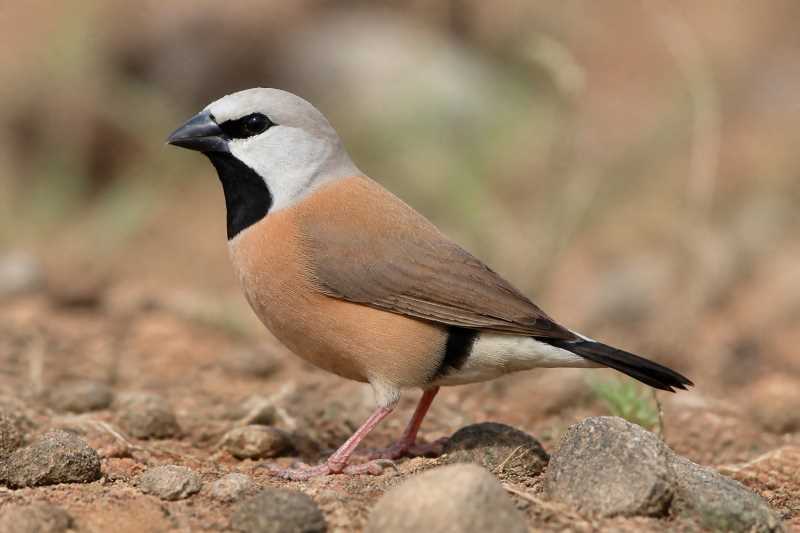
The Black-throated Finch is a small passerine bird, notable for its elegant appearance. Adults typically measure around 10 to 12 centimeters in length. The bird boasts a striking black face mask, a mottled brown and white body, and, of course, its namesake black throat. The two subspecies, the Southern (Poephila cincta cincta) and Northern (Poephila cincta atropygialis), are primarily distinguished by subtle differences in their plumage and geographical distribution.
These finches are primarily granivorous, feeding on a variety of grass seeds. Their preferred habitats include savannas, grasslands, and lightly wooded areas, where they nest in tree hollows or dense shrubbery. Historically, the species was widespread across eastern Australia, but now its range has diminished significantly.
Conservation Status
The Black-throated Finch is currently listed as endangered under the Environment Protection and Biodiversity Conservation Act 1999 in Australia. The primary threat to the species is habitat destruction, particularly from land clearing for agriculture and mining activities. This destruction has led to significant fragmentation of their habitat, further exacerbating the challenges faced by the species.
Recent surveys have revealed alarming declines in population numbers, particularly in the southern subspecies, which has seen a more drastic reduction in range. The northern subspecies, while slightly more stable, is still under significant threat from similar pressures.
The Carmichael Mine Controversy
One of the most publicized threats to the Black-throated Finch has been the proposed development of the Carmichael coal mine in Queensland. This controversial project, spearheaded by the Adani Group, has faced significant opposition from environmentalists and conservationists who argue that the mine’s development will lead to further habitat loss for the finch.
The debate has drawn national and international attention, highlighting the broader tensions between economic development and conservation. Proponents of the mine argue for its economic benefits, including job creation and energy production. In contrast, opponents stress the irreversible ecological damage it could cause, including the potential extinction of the Black-throated Finch.
Conservation Efforts
In response to the threats faced by the Black-throated Finch, various conservation initiatives have been launched. These efforts are aimed at protecting existing habitats, restoring degraded areas, and conducting further research into the species’ ecology and behavior.
One significant initiative is the establishment of conservation reserves that aim to protect critical habitats from development and degradation. These reserves serve as sanctuaries for the finches and other native species, allowing them to thrive in a more stable environment.
Additionally, conservationists are working with local landowners to promote sustainable land management practices that can coexist with the needs of the finch. This includes encouraging the maintenance of native grasslands and the reduction of land-clearing activities.
Research and Monitoring
Ongoing research and monitoring are essential components of conservation strategies for the Black-throated Finch. By better understanding the species’ habitat requirements, breeding patterns, and population dynamics, conservationists can develop more effective management plans.
Citizen science initiatives have also played a role, with birdwatchers and local communities contributing valuable data through sightings and observations. This collaborative approach has enhanced the understanding of the finch’s distribution and behavior, providing crucial insights for conservation planning.
The Larger Conservation Context
The plight of the Black-throated Finch is emblematic of broader conservation challenges in Australia and globally. As human activities continue to encroach on natural ecosystems, the need for balanced and sustainable development becomes increasingly urgent.
The finch’s situation highlights the importance of integrating ecological considerations into policy and planning decisions. It also underscores the role of public awareness and advocacy in driving positive change for threatened species.
In conclusion, the Black-throated Finch serves as both a symbol and a call to action for conservationists and policymakers alike. Protecting this delicate bird requires a concerted effort from all stakeholders, ensuring that economic progress does not come at the expense of biodiversity and ecological integrity. Through careful management and sustained commitment, there is hope that the Black-throated Finch will continue to grace the Australian skies for generations to come.
Related posts