The Buff-faced Scrubwren: A Comprehensive Overview
The Buff-faced Scrubwren (Aethomyias perspicillatus) is a small passerine bird belonging to the family Acanthizidae. This avian species is predominantly found in the montane forests of New Guinea, where its unique characteristics and behaviors contribute to the rich biodiversity of the region. This article delves into the various aspects of the Buff-faced Scrubwren, including its habitat, behavior, diet, and conservation status.
Habitat and Distribution
The Buff-faced Scrubwren is predominantly found in the highland forests of New Guinea. These montane environments, characterized by dense vegetation and a humid climate, provide an ideal habitat for the species. The scrubwren prefers elevations ranging from 1,200 to 3,600 meters above sea level. This bird’s adaptability to high-altitude environments is a testament to its evolutionary prowess, allowing it to thrive in areas where few other species can survive.
The distribution of the Buff-faced Scrubwren is primarily centered in New Guinea, although it can be found in several isolated pockets within the region. Its presence in these scattered locales suggests a degree of ecological flexibility, enabling the species to exploit various niches within its montane habitat.
Physical Characteristics
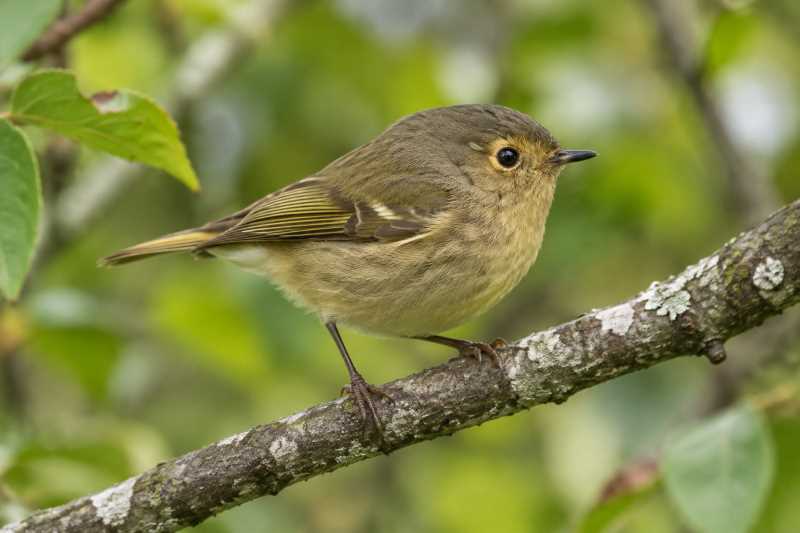
The Buff-faced Scrubwren is a small bird, measuring approximately 12 centimeters in length and weighing between 9 and 14 grams. Its most distinguishing feature, as its name suggests, is the buff-colored face, which contrasts with its olive-brown upperparts and pale underparts. The scrubwren’s plumage blends seamlessly with its forested surroundings, providing effective camouflage against predators.
The bird’s rounded wings and short tail are adaptations for maneuvering through dense underbrush, while its slender bill is perfectly suited for foraging small insects and other invertebrates. The Buff-faced Scrubwren’s eyes are dark and expressive, set against its buff facial markings, giving it a distinctive appearance among the avian species of New Guinea.
Behavior and Social Structure
Buff-faced Scrubwrens are known for their active and agile behavior, often observed flitting through the undergrowth in search of food. They are typically found in pairs or small family groups, displaying a cooperative social structure that aids in foraging and predator vigilance. These birds communicate through a series of high-pitched calls, which serve to maintain contact between group members in the dense forest environment.
The species exhibits a range of foraging behaviors, including gleaning insects from leaves and branches and occasionally hovering to snatch prey mid-air. Their diet primarily consists of small insects, spiders, and other arthropods, although they may also consume plant material such as seeds and berries when available.
Breeding and Reproduction
The breeding season of the Buff-faced Scrubwren typically coincides with the wetter months in New Guinea, when food resources are abundant. During this period, pairs engage in elaborate courtship displays, which include vocalizations and physical displays of agility and plumage. Once a pair has formed, they work together to construct a cup-shaped nest from twigs, moss, and other plant materials, usually positioned in a sheltered location within the forest.
Females typically lay two to three eggs per clutch, which are incubated for about 14 days. Both parents share the responsibility of feeding and caring for the chicks, which fledge approximately 12 to 16 days after hatching. The cooperative breeding system of the Buff-faced Scrubwren ensures a high level of parental investment, increasing the likelihood of offspring survival in the challenging montane environment.
Conservation Status and Threats
Currently, the Buff-faced Scrubwren is classified as a species of Least Concern by the International Union for Conservation of Nature (IUCN). Despite its relatively stable population, the species faces several threats that could impact its long-term survival. Habitat loss due to deforestation and land conversion for agriculture poses a significant risk to the scrubwren’s montane habitat.
Climate change also presents a looming threat, as rising temperatures and changing precipitation patterns could alter the delicate balance of the montane ecosystems on which the Buff-faced Scrubwren depends. Conservation efforts aimed at preserving the forested highlands of New Guinea are essential to ensuring the continued survival of this unique avian species.
Conclusion
The Buff-faced Scrubwren is a remarkable example of avian adaptation and diversity, thriving in the challenging environments of New Guinea’s montane forests. Its distinctive appearance, agile behavior, and cooperative social structure make it a fascinating subject of study for ornithologists and bird enthusiasts alike. As we continue to explore and understand the intricacies of this species, conservation efforts must be prioritized to safeguard its habitat and ensure that future generations can appreciate the beauty and complexity of the Buff-faced Scrubwren.
By focusing on habitat preservation and raising awareness about the ecological significance of this species, we can contribute to the ongoing efforts to protect the rich biodiversity of New Guinea and the unique avian life it supports.
Related posts