The Bronze-tailed Comet: A Jewel of the Andes
Nestled within the breathtaking landscapes of the Andean highlands, the Bronze-tailed Comet (Polyonymus caroli) dazzles with its iridescent beauty and remarkable adaptability. This diminutive yet striking hummingbird has captivated ornithologists and bird enthusiasts alike, earning its place as a cherished symbol of the rich biodiversity found in South America’s Andes Mountains.
Taxonomy and Nomenclature
Belonging to the family Trochilidae, the Bronze-tailed Comet is the sole representative of the genus Polyonymus. The species was first described by Jules Bourcier and Étienne Mulsant in 1846. Its scientific name, Polyonymus caroli, pays homage to Charles Lucien Bonaparte, a notable French naturalist and ornithologist. The genus name Polyonymus translates to "many names," a nod to the diverse range of common names attributed to hummingbirds across cultures.
Physical Characteristics and Plumage
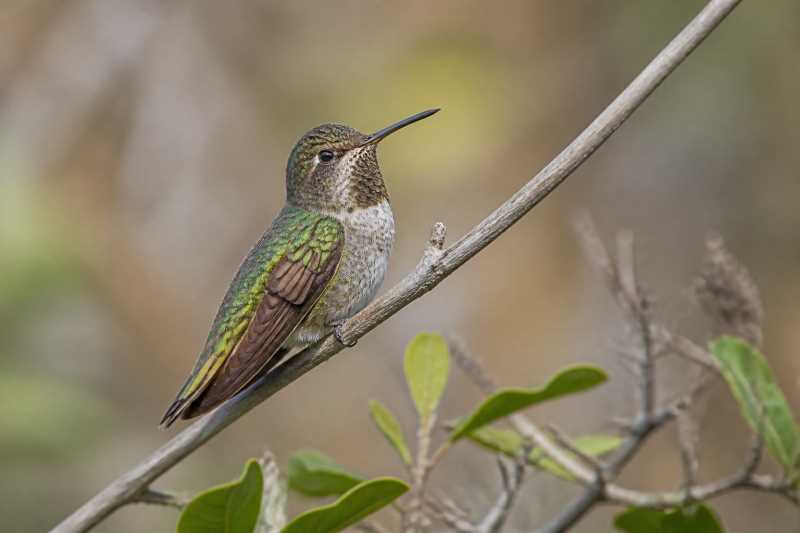
True to its name, the Bronze-tailed Comet exhibits a resplendent bronze sheen on its tail feathers, a feature that distinguishes it from other hummingbirds. Males are especially eye-catching with their vibrant emerald-green plumage that covers the head and upperparts, contrasted by a stark white underside. The tail, with its bronzy hue, catches the sunlight, creating a shimmering effect as the bird flits through the highland flora.
Females, while less vividly colored, possess a subtler beauty. Their plumage is more muted, with a blend of greens and bronzes that offer excellent camouflage amidst the foliage. Both sexes boast a straight, slender bill adapted for nectar feeding, essential for their survival in the flower-rich environments they inhabit.
Habitat and Distribution
The Bronze-tailed Comet is primarily found in the montane regions of the Andes, specifically in Peru and Ecuador. Its preferred habitats include subtropical or tropical moist montane forests, as well as shrubland and high-altitude grasslands. The bird’s ability to thrive in such diverse environments is a testament to its adaptability and resilience.
These hummingbirds are altitudinal migrants, adjusting their elevation in response to seasonal changes in food availability. During the dry season, they may descend to lower altitudes where flowering plants are more abundant, returning to higher elevations as the rainy season rejuvenates the montane flora.
Feeding and Behavior
As nectivores, Bronze-tailed Comets play a crucial role in the pollination of many Andean plant species. They exhibit a preference for tubular flowers, which accommodate their long bills and allow efficient nectar extraction. Common floral partners include members of the Ericaceae and Bromeliaceae families, among others.
In addition to nectar, these hummingbirds consume small insects and spiders, supplementing their diet with essential proteins and minerals. This opportunistic feeding behavior is essential for meeting the high metabolic demands of their rapid wing beats and energetic lifestyle.
Breeding and Reproduction
The breeding season of the Bronze-tailed Comet is intricately tied to the availability of resources, often coinciding with periods of peak floral abundance. Males establish and defend territories rich in nectar sources, using aerial displays and vocalizations to deter rivals and attract potential mates.
Once a pair bonds, the female assumes sole responsibility for constructing the nest, incubating eggs, and rearing the young. Nests are typically built on slender branches or in sheltered nooks, crafted from plant fibers, moss, and lichens bound together with spider silk. This careful construction ensures a secure environment for the eggs and hatchlings against the elements and predators.
Conservation Status and Threats
Currently, the Bronze-tailed Comet is classified as a species of Least Concern by the International Union for Conservation of Nature (IUCN). However, like many Andean species, it faces potential threats from habitat loss due to deforestation, agriculture, and climate change.
Conservation efforts are crucial to preserve the delicate ecosystems these birds inhabit. Protecting montane forests and promoting sustainable land use practices are essential steps toward ensuring the long-term survival of the Bronze-tailed Comet and countless other species that depend on these vital environments.
Conclusion
The Bronze-tailed Comet stands as a testament to nature’s artistry, its shimmering plumage and agile flight embodying the beauty and intricacy of the natural world. As we continue to study and appreciate this extraordinary hummingbird, we are reminded of the importance of preserving the biodiversity of our planet’s most precious ecosystems. By understanding and safeguarding the habitats of the Bronze-tailed Comet, we contribute to a legacy of conservation that will inspire generations to come.
Related posts