Introduction
The Black Berrypecker (Melanocharis nigra) is an avian species that captivates ornithologists and bird enthusiasts alike with its unique characteristics and niche habitat. Native to the rich ecosystems of New Guinea, this small bird plays a vital role in the biodiversity of the region. This article delves into the ecology, behavior, and conservation status of the Black Berrypecker, providing a comprehensive overview of this remarkable species.
Taxonomy and Description
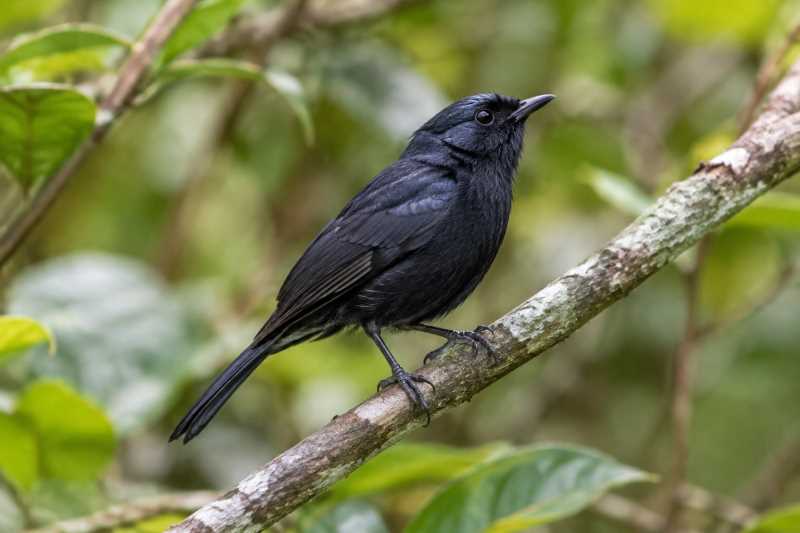
The Black Berrypecker belongs to the family Melanocharitidae, within the order Passeriformes. This family is comprised of a small group of birds endemic to New Guinea. The species name, Melanocharis nigra, hints at its striking black plumage, which is a distinguishing feature. Adult males exhibit a predominantly jet-black coloration, while females tend to have a more subdued, brownish hue. The bird is relatively small, measuring approximately 15 cm in length, with a short tail and a robust, slightly curved bill adapted for its diet.
Habitat and Distribution
The Black Berrypecker is endemic to the tropical rainforests of New Guinea, thriving at altitudes ranging from sea level to around 1,500 meters. These birds are typically found in lowland and montane forests, where they inhabit the middle to upper canopy layers. The dense foliage of these forests provides ample cover and resources, making them ideal habitats for this species. Their distribution is primarily concentrated in areas with abundant fruiting trees and shrubs, which are crucial to their diet.
Diet and Feeding Behavior
As their name suggests, Black Berrypeckers have a diet heavily reliant on berries and small fruits. They play a significant ecological role as seed dispersers, aiding in the propagation of various plant species. In addition to fruits, they may occasionally consume insects and other small invertebrates, particularly during the breeding season when nutritional demands are higher. The Black Berrypecker employs a foraging strategy that involves hopping and flitting among branches, expertly extracting fruits with their specialized bills.
Reproduction and Lifespan
The breeding behavior of the Black Berrypecker is not extensively documented, but like many tropical birds, they are believed to engage in monogamous pair bonds. Nests are typically constructed in the forks of trees or shrubs, utilizing materials such as twigs, leaves, and mosses. Females are primarily responsible for incubating the eggs, while males assist in feeding the chicks post-hatching. The lifespan of Black Berrypeckers in the wild is not well-documented, although they are thought to live several years, contributing to multiple breeding cycles.
Conservation Status
The International Union for Conservation of Nature (IUCN) currently lists the Black Berrypecker as a species of Least Concern. Despite this classification, the species faces potential threats from habitat loss due to deforestation and land-use changes in New Guinea. Conservation efforts are crucial to ensuring the sustainability of their habitats. Protecting large swaths of rainforest and promoting sustainable land management practices are vital components of conservation strategies.
Significance and Cultural Impact
The Black Berrypecker holds cultural significance for indigenous communities in New Guinea, where they are often featured in local folklore and traditions. These birds are regarded as symbols of the vibrant and diverse natural world that surrounds these communities. Furthermore, their role in seed dispersal highlights their ecological importance, contributing to the health and diversity of forest ecosystems.
Conclusion
The Black Berrypecker (Melanocharis nigra) is a fascinating bird that exemplifies the rich biological diversity of New Guinea. Its unique adaptations, ecological role, and striking appearance make it a subject of interest for both scientific study and conservation efforts. As human activities continue to impact natural habitats, understanding and protecting species like the Black Berrypecker becomes increasingly vital. Efforts to conserve their habitats not only safeguard these birds but also preserve the intricate ecological networks they support.
Related posts