Mount Victoria Babax: A Jewel of Avian Diversity
The Mount Victoria Babax (Pterorhinus woodi) is a captivating bird species belonging to the Leiothrichidae family, recognized for its rich vocal repertoire and striking plumage. Endemic to the mountainous regions of Myanmar, particularly the Chin Hills, this bird is an emblem of the biodiversity found in Southeast Asia. As environmental changes threaten many species worldwide, understanding and preserving the habitat of the Mount Victoria Babax is vital.
Taxonomy and Description
The Mount Victoria Babax was first described in the early 20th century and has since piqued the interest of ornithologists and bird enthusiasts alike. The species was named after Mount Victoria, a prominent peak in Myanmar where the bird was first discovered. The genus name ‘Pterorhinus’ is derived from Greek, combining ‘pteron’ (feather) and ‘rhinos’ (nose), reflecting the bird’s distinct facial features.
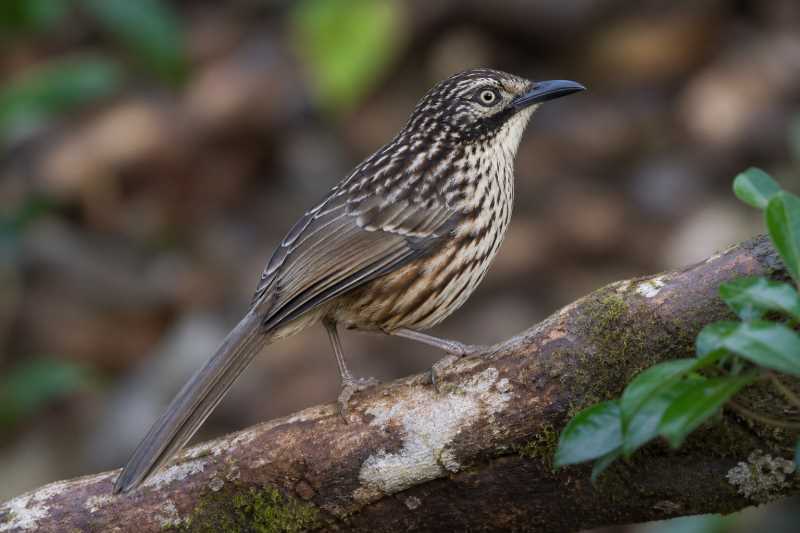
In terms of physical appearance, the Mount Victoria Babax is medium-sized, measuring approximately 24 to 26 cm in length. The bird displays a predominantly brown plumage with a subtle rufous tinge on its wings and tail. Its most distinguishing feature is the white streaking on the face and neck, providing a contrast to its otherwise earthy tones. The bird’s eyes are encircled by a pale ring, enhancing its expressive appearance.
Habitat and Distribution
The Mount Victoria Babax is primarily found in the temperate forests and subtropical or tropical moist montane forests of Myanmar. Its habitat is characterized by lush vegetation, steep terrain, and a climate that supports a variety of flora and fauna. The bird prefers dense undergrowth, where it can forage for insects and small invertebrates.
Mount Victoria, part of the Chin Hills, provides an ideal environment for this species. The region’s elevation and climatic conditions foster a unique ecosystem that supports not only the Mount Victoria Babax but also other endemic and migratory birds. However, habitat loss due to deforestation and agricultural expansion poses a significant threat to these habitats.
Behavior and Diet
Known for their sociable nature, Mount Victoria Babaxes are often observed in pairs or small groups. These birds are vocal, with a complex song that includes a series of melodious whistles and trills. Their calls play a crucial role in communication, helping to establish territory and strengthen pair bonds.
The diet of the Mount Victoria Babax primarily consists of insects, berries, and seeds. Their foraging behavior is adaptable; they are often seen rummaging through leaf litter or probing bark to extract hidden prey. This varied diet is a testament to the bird’s adaptability to its environment.
Conservation Status and Challenges
The Mount Victoria Babax is currently listed as Near Threatened by the International Union for Conservation of Nature (IUCN). Habitat destruction, particularly due to logging and agricultural activities, is the primary driver of population decline. Moreover, limited geographic range makes the species particularly vulnerable to environmental changes and human activities.
Conservation efforts are essential to protect the Mount Victoria Babax and its habitat. Initiatives such as establishing protected areas, promoting sustainable land-use practices, and raising awareness about the importance of biodiversity can play a significant role in safeguarding this species. Additionally, further research is needed to monitor population trends and understand the ecological requirements of this bird.
Cultural and Ecological Significance
The Mount Victoria Babax is not just an indicator of ecological health but also holds cultural significance for local communities. Birds like the Babax are integral to the region’s natural heritage and contribute to the biodiversity that sustains various ecosystem services. By preserving such species, we maintain the ecological balance and ensure the resilience of ecosystems against climatic changes.
Conclusion
The Mount Victoria Babax is a testament to the rich avian diversity found in Myanmar’s highlands. As with many species, its future hinges on the balance between human activities and natural preservation. By understanding the ecological and cultural importance of the Mount Victoria Babax, we can foster conservation efforts that not only protect this unique bird but also contribute to the global endeavor of biodiversity conservation.
Conservationists and policymakers must collaborate to implement strategies that mitigate habitat loss and promote the sustainable coexistence of human and natural environments. Such efforts will ensure that the melodic calls of the Mount Victoria Babax continue to resonate through the forests of Myanmar for generations to come.
Related posts