Exploring the Majestic Beach Kingfisher: Habitat, Behavior, and Conservation
The Beach Kingfisher, scientifically known as Todiramphus saurophagus, is a fascinating bird species that captures the attention of ornithologists and bird enthusiasts alike. With its vibrant plumage and distinctive behaviors, this bird is not only a visual delight but also plays a crucial role in its coastal ecosystems. In this article, we delve into the unique characteristics, habitat, behaviors, and conservation efforts surrounding the Beach Kingfisher.
Description and Physical Characteristics
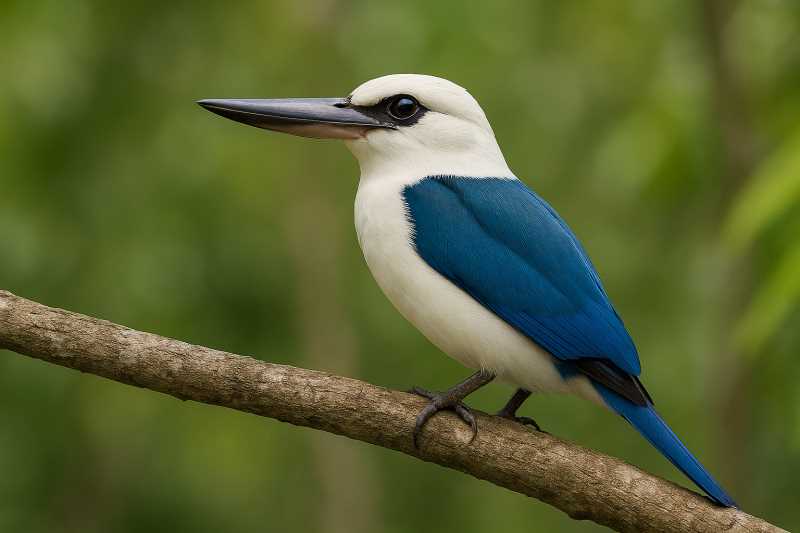
The Beach Kingfisher is renowned for its striking appearance. It boasts a vivid azure-blue back, wings, and tail, which contrast beautifully with its white underparts and collar. The bird’s head is adorned with a striking black band that extends from the bill, through the eyes, to the nape. This characteristic ‘mask’ gives the Beach Kingfisher a unique and somewhat regal appearance. The species is relatively medium-sized, with adults typically measuring around 20 to 25 centimeters in length.
Habitat and Distribution
The Beach Kingfisher is predominantly found along coastal regions, favoring sandy beaches, mangroves, and estuarine environments. This bird species is primarily distributed across the coastal areas of New Guinea and the adjacent islands, including the Bismarck Archipelago and the Solomon Islands. It is highly adapted to its environment, often seen perching on low branches or coastal rocks, scanning the waters for potential prey.
Behavior and Diet
The Beach Kingfisher is an adept hunter, primarily feeding on small fish, crustaceans, and occasionally insects. Its hunting technique is characterized by patience and precision. The bird typically perches quietly, waiting for the right moment to swoop down and capture its prey with a swift and direct dive. This feeding strategy not only highlights the bird’s agility but also its critical role in controlling the population of small fish and invertebrates in its habitat.
Socially, Beach Kingfishers are generally solitary or found in pairs, especially during the breeding season. They are known for their distinctive loud calls, which serve as an essential means of communication between individuals, especially in dense mangrove forests where visibility is limited.
Reproduction and Lifespan
Beach Kingfishers are known to breed during specific times of the year, primarily influenced by the climatic conditions of their coastal habitats. They typically nest in natural cavities found in trees or coastal cliffs, where they lay a clutch of two to four eggs. The incubation period lasts around 20 days, with both parents sharing responsibilities in nurturing and feeding the chicks until they fledge.
The lifespan of the Beach Kingfisher, like many kingfishers, can vary. However, in favorable conditions with adequate food supply and minimal predation threats, they can live up to 10 years in the wild.
Conservation Status and Threats
The Beach Kingfisher is currently classified as ‘Least Concern’ on the IUCN Red List. However, this status does not imply that the species is free from threats. Habitat loss due to coastal development, pollution, and climate change poses significant risks to the stability of their populations. Rising sea levels and increased frequency of severe weather events, such as cyclones, further exacerbate the vulnerability of their coastal habitats.
Additionally, human activities, such as fishing and tourism, can disturb their natural habitats, leading to potential declines in food availability and breeding success.
Conservation Efforts
Efforts to conserve the Beach Kingfisher involve a combination of habitat protection, research, and community engagement. Protecting mangrove forests and coastal areas from deforestation and pollution is essential to ensure the survival of this species. Conservation programs often focus on educating local communities about the ecological importance of kingfishers and the need to preserve their natural environments.
Research plays a pivotal role in understanding the specific needs and behaviors of the Beach Kingfisher, which can inform targeted conservation strategies. Long-term monitoring of populations, as well as collaboration with local and international conservation organizations, are crucial steps in safeguarding the future of this vibrant bird.
Conclusion
The Beach Kingfisher, with its stunning appearance and significant role in coastal ecosystems, is a species worth cherishing and protecting. While currently not under immediate threat, proactive conservation efforts are necessary to ensure this magnificent bird continues to thrive in its natural habitat. By understanding and addressing the challenges faced by the Beach Kingfisher, we can contribute to the preservation of biodiversity and the health of our planet’s coastal environments.
Related posts