Introduction
The King Arboreal Rice Rat, scientifically known as Oecomys rex, is a fascinating yet lesser-known rodent species that inhabits the dense forests of South America. As a member of the Cricetidae family, this arboreal creature is distinguished by its unique adaptations to a life spent primarily in the trees. Despite its name, the King Arboreal Rice Rat is not directly related to the common rice rat, and its regal title is derived from its impressive presence in its natural habitat. This article delves into the various aspects of the King Arboreal Rice Rat, including its physical traits, habitat preferences, behaviors, and conservation status.
Physical Description
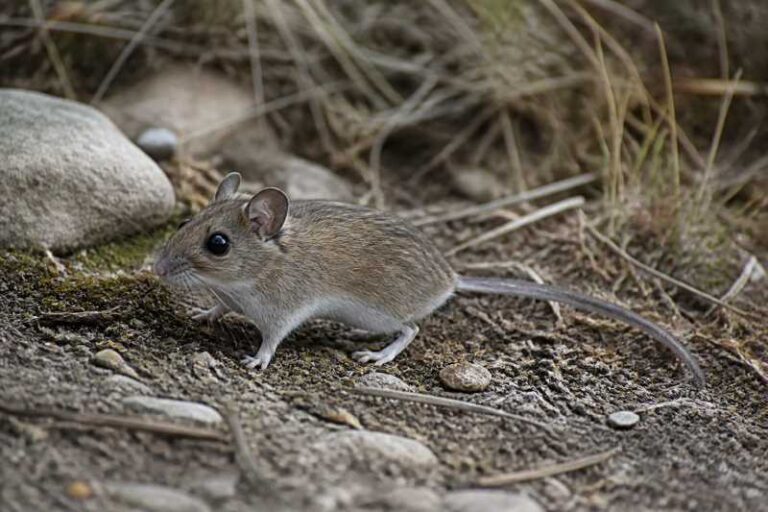
The King Arboreal Rice Rat is a medium-sized rodent with a body length ranging from 12 to 20 centimeters, excluding the tail, which can add an additional 15 to 22 centimeters. Its fur is dense and soft, providing insulation from the cooler temperatures found in its arboreal environment. The coloration of this species is typically a rich brown on the dorsal side, with lighter, often white or cream, underparts. The large, rounded ears and prominent, whiskered snout are adaptations that enhance its sensory capabilities, crucial for navigating the forest canopy.
Its limbs are well-suited for an arboreal lifestyle, with long, dexterous fingers and toes equipped with sharp claws that aid in climbing. The tail is prehensile, acting as a fifth limb to balance and grip branches as the rat moves through the trees. This tail is a key distinguishing feature, often held coiled or wrapped around branches while the animal is at rest or feeding.
Range and Habitat
The King Arboreal Rice Rat is predominantly found in the tropical and subtropical forests of South America, with a range that extends across countries such as Brazil, Peru, and Bolivia. This species thrives in the canopy of dense, primary rainforests, where it can exploit the abundance of resources and escape from ground-based predators. The rat prefers areas with a continuous canopy, which allows for easier movement and access to food sources.
Its habitat choice is influenced by the availability of fruiting trees, as well as the presence of dense foliage that offers protection and nesting sites. Seasonal variations in the forest ecosystem influence the rat’s movements, with some populations exhibiting shifts in range based on food availability and climatic conditions.
Behavior and Diet
The King Arboreal Rice Rat is primarily nocturnal, becoming active at dusk and foraging throughout the night. Its diet is omnivorous, consisting mainly of fruits, seeds, insects, and occasionally small vertebrates. This dietary flexibility allows the rat to adapt to seasonal changes in food availability.
Socially, the King Arboreal Rice Rat is known to be solitary or found in small family groups. Communication is facilitated through a combination of vocalizations, scent markings, and tactile interactions. Territorial disputes are common, particularly among males, and are resolved through vocal displays and, occasionally, physical confrontations.
Identification Tips (Field Recognition Cues)
Identifying the King Arboreal Rice Rat in the field requires attention to several key characteristics:
- Size and Silhouette: Look for a medium-sized rodent with a notably long, prehensile tail and large ears. The body should appear robust, with a distinct separation between the browner dorsal side and lighter underparts.
- Behavior: Observe the animal’s activity patterns. King Arboreal Rice Rats are primarily nocturnal and arboreal, often seen climbing or foraging in the canopy during the evening and night.
- Habitat: This species is found in dense, tropical rainforests. Finding them in areas with a continuous canopy and abundant fruiting trees is more likely.
- Vocalizations: Listen for their characteristic vocalizations, which can include a variety of chirps and squeaks, often used in communication with others.
Conservation Status (with threats and protections)
The King Arboreal Rice Rat is currently listed as Least Concern by the International Union for Conservation of Nature (IUCN). Despite this favorable conservation status, the species faces several threats that could impact its populations in the future.
Threats
- Habitat Loss: Deforestation for agriculture, logging, and urban expansion poses a significant threat to the King Arboreal Rice Rat’s habitat. The species relies on dense, continuous forest canopies, which are increasingly fragmented by human activities.
- Climate Change: Alterations in climate patterns can affect the availability of food resources and suitable habitats, potentially leading to population declines.
- Predation and Competition: Introduced species, such as domestic cats and dogs, pose a predation threat, while competition with other arboreal rodents can impact food availability.
Protections
Conservation efforts for the King Arboreal Rice Rat include habitat preservation and reforestation initiatives. Protected areas and national parks within its range offer a refuge from habitat destruction, while ongoing research aims to better understand its ecological needs and population dynamics.
Frequently Asked Questions
- What do King Arboreal Rice Rats eat?
King Arboreal Rice Rats have an omnivorous diet that includes fruits, seeds, insects, and occasionally small vertebrates. Their dietary flexibility helps them adapt to seasonal changes in food availability.
- Where can King Arboreal Rice Rats be found?
These rats are native to the tropical and subtropical forests of South America, particularly in countries like Brazil, Peru, and Bolivia. They thrive in dense, primary rainforests with a continuous canopy.
- How do King Arboreal Rice Rats communicate?
Communication among King Arboreal Rice Rats involves a combination of vocalizations, scent markings, and tactile interactions. Vocal displays play a crucial role in territorial disputes and social interactions.
- Are King Arboreal Rice Rats endangered?
Currently, the King Arboreal Rice Rat is listed as Least Concern by the IUCN. However, habitat loss, climate change, and predation by introduced species pose potential threats to their populations.
- How can I identify a King Arboreal Rice Rat in the wild?
To identify a King Arboreal Rice Rat, look for a medium-sized rodent with a long, prehensile tail, large ears, and a brown dorsal side with lighter underparts. They are primarily nocturnal and arboreal, often seen in the forest canopy.
Related posts