Introduction
The Gray-bellied Grass Mouse, scientifically known as Akodon simulator, is a small rodent species endemic to South America. This elusive creature plays a vital role in its ecosystem, primarily inhabiting grasslands and forested areas. Despite its importance, the Gray-bellied Grass Mouse remains relatively under-researched. Understanding its physical characteristics, habitat, behavior, and conservation status is crucial for preserving this unique species and its environment. In this comprehensive article, we explore various aspects of the Gray-bellied Grass Mouse to provide a holistic view of its ecological significance.
Physical Description
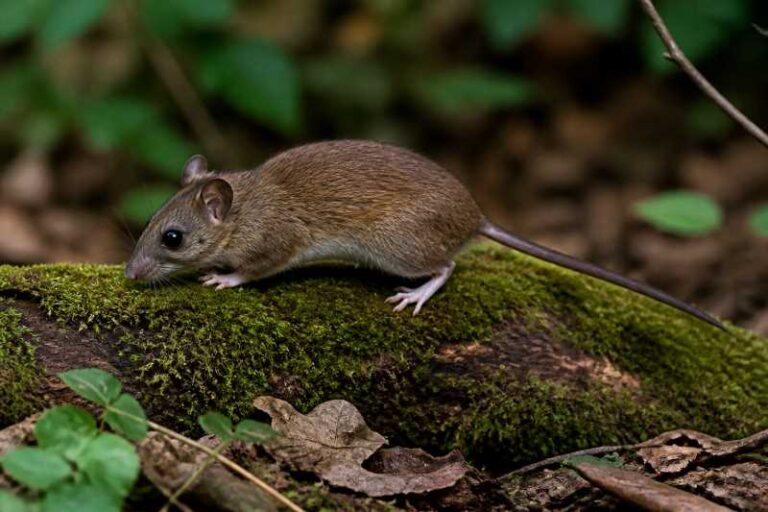
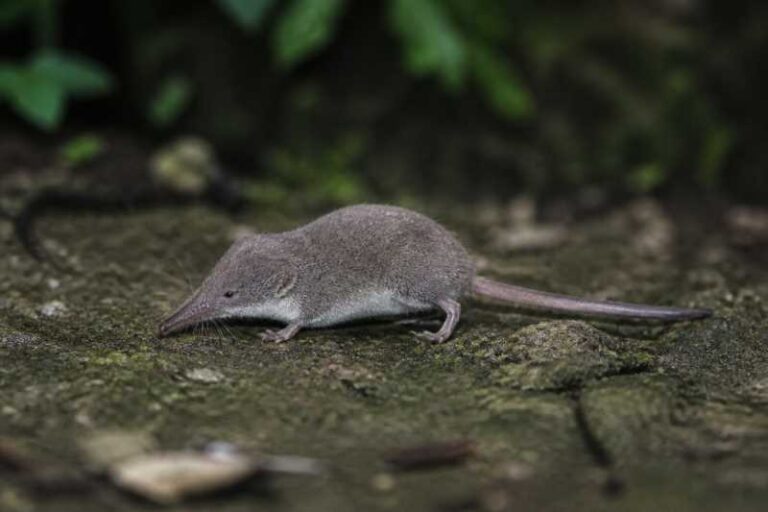
The Gray-bellied Grass Mouse is a small rodent characterized by its distinct grayish belly, which contrasts with its darker back. Typically, individuals measure between 8 to 12 centimeters in body length, with a tail that extends approximately 7 to 10 centimeters. This tail is usually covered with sparse hair, providing balance and agility as the mouse navigates through its habitat. The fur on the back is a rich brown color, offering camouflage amid the grasses and underbrush. The ears are small yet prominent, aiding in acute hearing, which is essential for detecting predators. The eyes are relatively large, indicating nocturnal habits, while the whiskers are long and sensitive, helping the mouse to feel its way through the dark.
Range and Habitat
The Gray-bellied Grass Mouse is predominantly found in the Andean regions of Argentina, Bolivia, and Peru. It thrives in a variety of environments, ranging from high-altitude grasslands to subtropical forests. These habitats provide ample cover and food resources, integral for the mouse’s survival. The species is adaptive, often occupying agricultural lands and disturbed areas where natural habitats have been altered. However, their preference remains undisturbed terrains where they can burrow and forage without significant human interference.
Behavior and Diet
The Gray-bellied Grass Mouse exhibits nocturnal behavior, emerging at night to forage for food. It is primarily herbivorous, feeding on seeds, fruits, and green vegetation. Occasionally, it supplements its diet with insects and small invertebrates, which provide essential protein. The mouse is solitary by nature, with individuals establishing and maintaining their own territories. Communication is facilitated through vocalizations and scent markings, which help delineate boundaries and signal reproductive availability.
Social interactions are limited, except during the breeding season, when males and females come together briefly for mating. Females typically give birth to litters of 2 to 4 young after a gestation period of about 20 to 25 days. The young are altricial, requiring maternal care until they are weaned and capable of independence.
Identification Tips (Field Recognition Cues)
Identifying the Gray-bellied Grass Mouse in the field requires careful observation of several key features:
- Size and Shape: Look for a small, slender rodent with a body length of 8 to 12 centimeters and a tail nearly as long as its body.
- Coloration: Note the grayish belly in contrast to the darker brown back. This is a distinctive characteristic of the species.
- Ears and Eyes: Small, rounded ears and relatively large eyes are indicative of its nocturnal lifestyle.
- Behavior: Observe nocturnal activity patterns and solitary behavior. The presence of burrows or runways can also be a clue.
- Habitat: Confirm the presence of the mouse in grasslands or forested areas within its known geographical range.
Conservation Status (with Threats and Protections)
Currently, the Gray-bellied Grass Mouse is not listed as endangered or threatened. However, its populations are susceptible to habitat destruction caused by agricultural expansion, deforestation, and urbanization. Climate change poses an additional threat, potentially altering its high-altitude habitats and food availability.
Conservation efforts for the Gray-bellied Grass Mouse focus on habitat preservation and restoration. Protected areas in the Andes serve as vital refuges, supporting biodiversity and maintaining ecological balance. Conservationists advocate for sustainable land-use practices and the establishment of wildlife corridors to mitigate habitat fragmentation.
Public awareness and community involvement are crucial for effective conservation. By educating local populations about the ecological role of the Gray-bellied Grass Mouse and the importance of biodiversity, conservationists aim to foster a culture of environmental stewardship.
Frequently Asked Questions
What is the Gray-bellied Grass Mouse’s primary habitat?
The Gray-bellied Grass Mouse primarily inhabits high-altitude grasslands and subtropical forests in the Andean regions of Argentina, Bolivia, and Peru. These environments offer ideal conditions for foraging and shelter.
How does the Gray-bellied Grass Mouse contribute to its ecosystem?
As a herbivore and occasional insectivore, the Gray-bellied Grass Mouse plays a role in seed dispersal and pest control. Its activities help maintain ecological balance and promote plant diversity in its habitat.
Are there any conservation efforts to protect the Gray-bellied Grass Mouse?
Yes, conservation efforts focus on habitat preservation and sustainable land-use practices. Protected areas and wildlife corridors are established to ensure the species’ continued survival and ecological role.
How can I identify a Gray-bellied Grass Mouse in the wild?
Look for a small rodent with a grayish belly, brown back, large eyes, and small ears. Its presence is often indicated by nocturnal activity and specific habitats like grasslands and forests.
What threats does the Gray-bellied Grass Mouse face?
The primary threats include habitat destruction due to agriculture, deforestation, urbanization, and climate change, which can alter its natural habitats and food resources.
Related posts