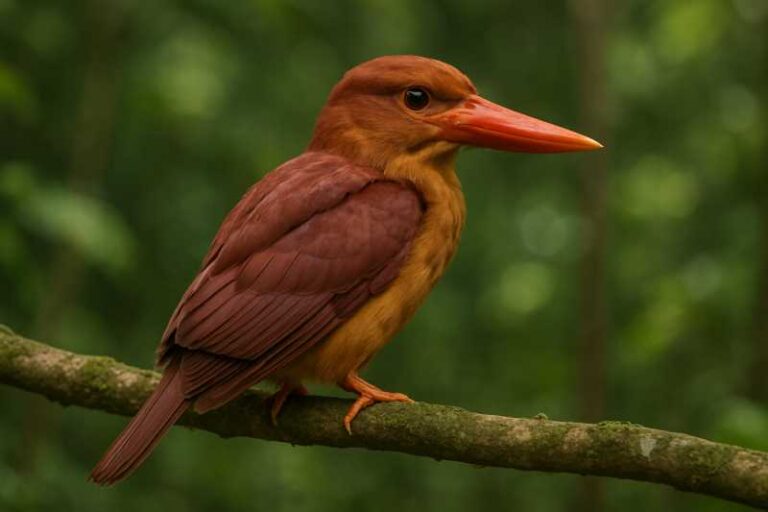
The Enigmatic Obi Cicadabird: A Jewel of the Moluccas
In the heart of the Indonesian archipelago, nestled among the lush, verdant landscapes of the northern Moluccas, lies a bird of extraordinary beauty and intrigue—the Obi Cicadabird (*Edolisoma obiense*). This avian species, endemic to the Obi Islands, is a testament to the rich biodiversity and ecological uniqueness of this region. In this article, we delve into the fascinating world of the Obi Cicadabird, exploring its habitat, behavior, conservation status, and the challenges it faces in today’s rapidly changing world.
Habitat and Distribution
The Obi Cicadabird is a member of the Campephagidae family, which comprises small to medium-sized birds known for their striking plumage and melodious calls. This particular species is geographically confined to the Obi Islands, a group of islands located between the larger islands of Halmahera and Sulawesi in Indonesia. The dense, lowland rainforests of these islands provide the perfect backdrop for the Obi Cicadabird, offering abundant food resources and nesting sites.
These forests are characterized by towering trees and a rich understory of shrubs and vines, creating a complex ecosystem that supports a wide variety of flora and fauna. The Obi Cicadabird thrives in this environment, where it can be seen flitting through the canopy in search of insects, its primary food source. This bird’s preference for dense forests underscores the critical importance of preserving these habitats to ensure its survival.
Physical Characteristics
The Obi Cicadabird is renowned for its striking appearance. Adult males are adorned with a glossy blue-black plumage that shimmers in the sunlight, making them a captivating sight amidst the greens and browns of the forest. Females, on the other hand, display more subdued tones with grayish-brown feathers, providing effective camouflage against predators. Both sexes possess a slender build, with a length of approximately 20-23 centimeters, and a distinctively curved bill adapted for catching insects.
Behavior and Ecology
The Obi Cicadabird is a diurnal creature, most active during the early morning and late afternoon. It is predominantly insectivorous, feeding on a wide variety of insects, including cicadas, which are abundant in its habitat. The bird’s sharp eyesight and agile flight make it an adept hunter, capable of snatching insects in mid-air with remarkable precision.
In addition to its hunting prowess, the Obi Cicadabird is known for its melodious song, a series of clear, flute-like notes that resonate through the forest. This vocalization plays a crucial role in communication, particularly during the breeding season when males sing to attract mates and establish territories.
Breeding typically occurs during the dry season, when food resources are plentiful. The female constructs a cup-shaped nest high in the canopy, where she lays a clutch of two to three eggs. Both parents share the responsibilities of incubating the eggs and feeding the chicks, demonstrating a strong bond and cooperative parenting.
Conservation Status and Threats
Despite its relatively small range, the Obi Cicadabird is currently classified as “Least Concern” by the International Union for Conservation of Nature (IUCN). However, its status is somewhat precarious due to the ongoing threats that loom over its habitat. The primary concern is deforestation, driven by logging, agricultural expansion, and mining activities. These practices not only reduce the extent of suitable habitat but also fragment the remaining forests, isolating populations and reducing genetic diversity.
Climate change poses an additional threat, as rising temperatures and changing precipitation patterns can alter the delicate balance of the forest ecosystem, affecting food availability and breeding success. Moreover, the introduction of invasive species, such as rats and snakes, could further exacerbate pressures on the Obi Cicadabird by increasing predation risks.
Conservation Efforts
To mitigate these threats, concerted conservation efforts are essential. Protecting the remaining forests of the Obi Islands through the establishment of protected areas and sustainable land-use practices is paramount. Local communities play a crucial role in these efforts, as their involvement in conservation initiatives can foster a sense of stewardship and ensure the long-term survival of the Obi Cicadabird.
Research and monitoring are equally important, as they provide valuable insights into the bird’s ecology and help identify population trends and emerging threats. Collaborative efforts between governmental agencies, non-governmental organizations, and local stakeholders are vital in crafting effective conservation strategies.
Conclusion
The Obi Cicadabird is a remarkable example of nature’s diversity and resilience. Its beauty and ecological significance underscore the importance of preserving the unique habitats of the Obi Islands. By addressing the challenges posed by habitat loss, climate change, and invasive species, we can ensure that this captivating bird continues to thrive for generations to come. The Obi Cicadabird is more than just a species; it is a symbol of the rich natural heritage of the Moluccas, deserving of our admiration and protection.
Related posts