The Enigmatic Hispaniolan Trogon: A Jewel of the Caribbean
Introduction
Nestled in the lush, verdant forests of Hispaniola, an island shared by the Dominican Republic and Haiti, resides a striking avian species known as the Hispaniolan Trogon (Priotelus roseigaster). This bird, with its vibrant plumage and elusive nature, is a symbol of the island’s rich biodiversity and a testament to the ecological wonders of the Caribbean. This article delves into the biology, habitat, conservation status, and cultural significance of the Hispaniolan Trogon, highlighting its role as both a keystone species and a national treasure.
Taxonomy and Description
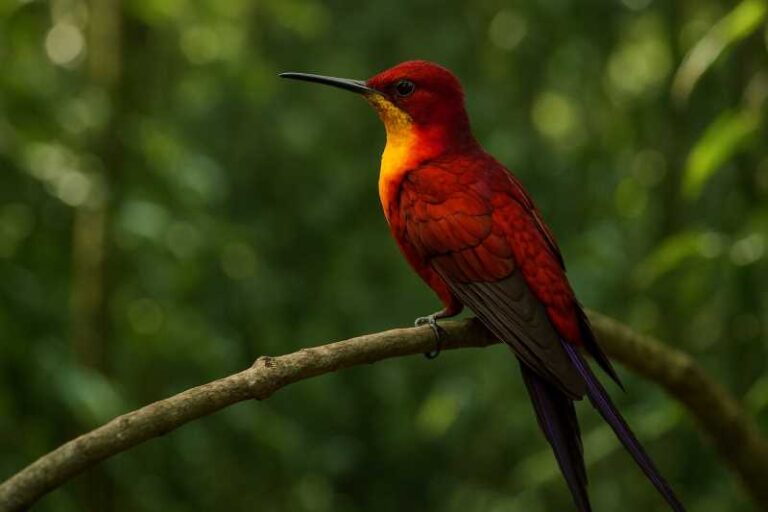
The Hispaniolan Trogon belongs to the family Trogonidae, which includes a variety of colorful, tropical birds known for their distinctive features and behaviors. Scientifically named Priotelus roseigaster, this species is notable for its vivid coloration. The male trogon showcases a striking contrast of emerald green upperparts, a brilliant scarlet belly, and a metallic bronze tail, while the female is slightly more subdued in hue but equally captivating. A key characteristic of the trogon family is their heterodactyl feet, where the first and second toes face backward, aiding in their arboreal lifestyle.
Habitat and Distribution
Endemic to the island of Hispaniola, the Hispaniolan Trogon is primarily found in the island’s mountainous regions. It inhabits tropical and subtropical moist broadleaf forests, often at elevations ranging from 700 to 2,500 meters. These areas provide the dense canopy cover and rich biodiversity necessary for their survival. The Cordillera Central and Sierra de Bahoruco are among the primary habitats where these birds are frequently sighted.
The trogon’s preference for undisturbed forest environments makes it an important indicator of forest health. Their presence signifies a well-preserved ecosystem, while their absence may suggest environmental degradation or habitat loss.
Behavior and Diet
The Hispaniolan Trogon is a relatively sedentary bird, usually seen alone or in pairs. They are known for their quiet nature, often perching silently in the forest canopy, which makes them challenging to spot despite their bright plumage. Their diet mainly consists of insects and small fruits, which they forage by sallying out from a perch to catch prey in flight or pluck from foliage.
Trogons have a unique feeding habit known as “sit-and-wait” predation, where they remain motionless and scan their surroundings for potential food. This behavior not only conserves energy but also reduces their visibility to predators.
Reproductive Behavior
Breeding season for the Hispaniolan Trogon occurs from March to May. They are cavity nesters, often choosing natural holes in trees or abandoned woodpecker nests. The female typically lays two to three eggs, which both parents incubate. After hatching, the chicks are fed a diet rich in insects and fruits, ensuring rapid growth and development.
Conservation Status
The Hispaniolan Trogon is currently classified as “Near Threatened” by the International Union for Conservation of Nature (IUCN). The primary threats to their survival include habitat destruction due to logging, agriculture, and urban development. Additionally, climate change poses a long-term threat by altering the delicate balance of their forest ecosystems.
Conservation efforts are vital to the survival of this species. Protecting their natural habitats through the establishment of national parks and reserves, promoting sustainable land-use practices, and increasing public awareness about the importance of biodiversity are critical strategies. Organizations and local governments on Hispaniola are actively working to implement these measures to ensure the trogon’s future.
Cultural Significance
Beyond its ecological importance, the Hispaniolan Trogon holds cultural significance for the people of Hispaniola. It is the national bird of Haiti and a symbol of the island’s unique natural heritage. The trogon’s image is often used in educational materials and conservation campaigns, serving as an ambassador for the island’s rich biodiversity.
Conclusion
The Hispaniolan Trogon is more than just a bird; it is a symbol of the natural beauty and ecological richness of Hispaniola. Its striking appearance and vital role in the ecosystem make it a key species for conservation efforts. By preserving the habitats of the Hispaniolan Trogon, we not only protect this magnificent bird but also the myriad of other species that share its environment. As we look to the future, a comprehensive approach involving habitat protection, sustainable development, and community engagement will be essential in ensuring that the Hispaniolan Trogon continues to thrive in its island paradise.
References
– Collar, N., & Boesman, P. (2020). Hispaniolan Trogon (Priotelus roseigaster). In J. del Hoyo, A. Elliott, J. Sargatal, D.A. Christie, & E. de Juana (Eds.), Handbook of the Birds of the World Alive. Lynx Edicions.
– Latta, S. C., & Rimmer, C. C. (2010). Birds of the Dominican Republic and Haiti. Princeton University Press.
– BirdLife International. (2021). Species factsheet: Priotelus roseigaster. Retrieved from www.birdlife.org
Related posts