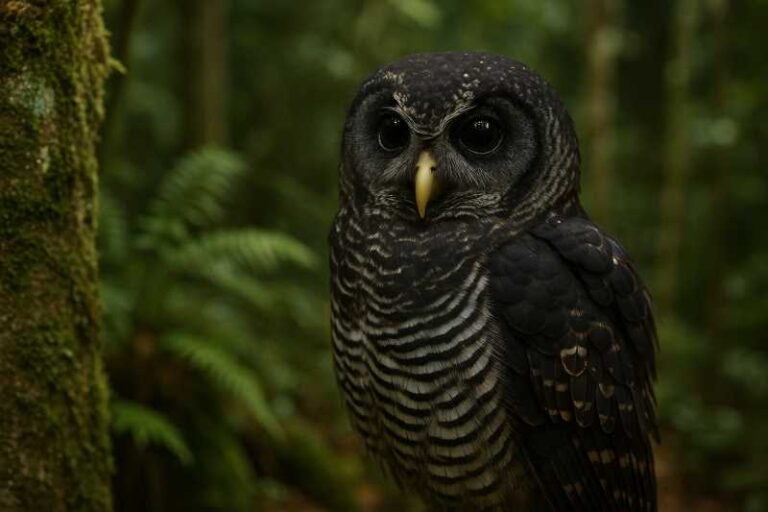
The Black-browed Albatross: Master of the Southern Skies
Introduction
The Black-browed Albatross (Thalassarche melanophris) is a remarkable seabird known for its striking appearance and extraordinary long-distance flight capabilities. Found predominantly in the Southern Hemisphere, this majestic bird plays a crucial role in marine ecosystems and has captured the fascination of ornithologists and nature enthusiasts alike. As we delve into the life and habits of the Black-browed Albatross, we uncover the secrets of its survival, the challenges it faces, and the conservation efforts underway to protect this iconic species.
Physical Characteristics
The Black-browed Albatross is a medium-sized albatross, with a wingspan ranging from 210 to 250 cm, making it an expert glider capable of covering vast distances with minimal energy expenditure. Its name is derived from the distinctive black line above its eyes, resembling eyebrows, which contrasts sharply with its white head and body. The bird’s upper wings and back are a slate gray, while its underparts remain predominantly white. This striking coloration not only aids in camouflage against the oceanic backdrop but also makes it one of the most easily recognizable albatross species.
Habitat and Distribution
These birds are predominantly found in the Southern Ocean, with breeding colonies established on sub-Antarctic islands, including the Falkland Islands, South Georgia, and the Crozet Islands. The Black-browed Albatross is a pelagic species, spending the majority of its life at sea, far from land. It is known for its incredible migratory behavior, traveling thousands of kilometers annually between its breeding and feeding grounds. During the non-breeding season, they can be found in the waters off South America, South Africa, and Australia.
Diet and Feeding Behavior
Black-browed Albatrosses are opportunistic feeders, relying on a diet primarily composed of fish, squid, and krill. They are known to follow fishing vessels to scavenge on discarded bycatch, a behavior that has unfortunately contributed to their decline due to accidental bycatch in fishing gear. Their ability to cover large distances allows them to forage over extensive oceanic areas, taking advantage of the rich marine life in the Southern Ocean.
Breeding and Lifecycle
The breeding season for Black-browed Albatrosses begins in September when they return to their breeding colonies on remote islands. They are monogamous birds, often forming long-term pair bonds. The nest is a simple structure made of mud and grass, built on cliff edges or flat ground. A single egg is laid, and both parents share incubation duties over a period of about 70 days. Once hatched, the chick is cared for by both parents until it fledges at around four months old.
Conservation Status and Threats
The Black-browed Albatross is currently listed as “Near Threatened” on the IUCN Red List of Threatened Species. The primary threats to their survival include bycatch in longline and trawl fisheries, habitat degradation, and climate change. Efforts to mitigate bycatch, such as the use of bird-scaring lines and weighted hooks, have shown promise in reducing mortality rates. However, ongoing monitoring and international cooperation are essential to ensure the long-term survival of this species.
Conservation Efforts
Several conservation organizations are actively working to protect the Black-browed Albatross and its habitat. The Agreement on the Conservation of Albatrosses and Petrels (ACAP) is a key international treaty that promotes the conservation of albatross species through collaborative efforts among countries. Additionally, the Falkland Islands have designated several Important Bird Areas (IBAs) to safeguard critical breeding sites.
Conclusion
The Black-browed Albatross is a symbol of the wild and untamed Southern Ocean, a testament to the beauty and complexity of marine life. Protecting this species requires concerted efforts from governments, conservationists, and the fishing industry to address the threats they face. By raising awareness and supporting conservation initiatives, we can help ensure that future generations will have the opportunity to marvel at the sight of these magnificent birds soaring gracefully over the open seas.
References
– BirdLife International. (2021). Species factsheet: Thalassarche melanophris. Retrieved from [BirdLife International](https://www.birdlife.org)
– Agreement on the Conservation of Albatrosses and Petrels. Retrieved from [ACAP](https://www.acap.aq)
Related posts