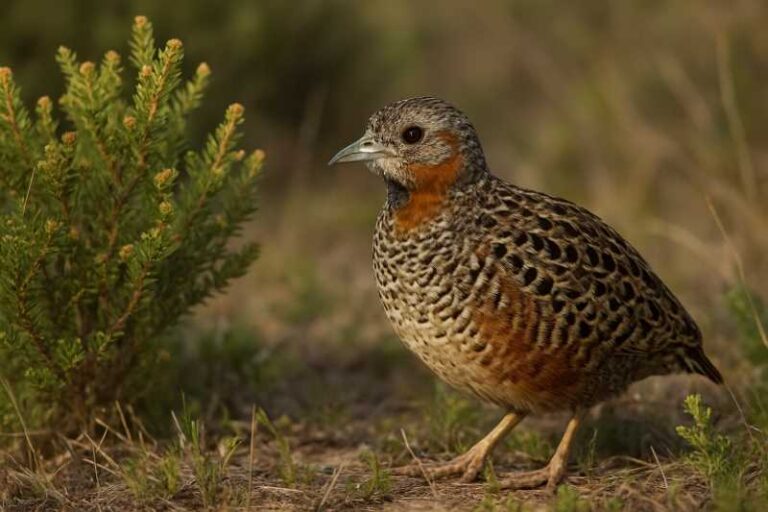
The Arabian Bustard: A Majestic Bird of the Desert
In the heart of the arid landscapes and savannas of the Arabian Peninsula, the Arabian Bustard (Ardeotis arabs) stands as a symbol of adaptability and resilience. Known for its impressive stature and striking appearance, this bird is a fascinating subject of study for ornithologists and nature enthusiasts alike. This article delves into the unique characteristics, habitat, behavior, and conservation efforts surrounding this majestic bird.
Characteristics and Identification
The Arabian Bustard is a large terrestrial bird, easily recognizable by its robust build and long legs. Adult males can reach a height of up to 1 meter and can weigh between 5 to 10 kilograms, making them one of the heaviest flying birds. Their plumage is predominantly brown and white, providing excellent camouflage in their natural habitat. The males are particularly striking during the breeding season, when they display an elaborate courtship ritual that involves puffing up their feathers and strutting with a series of booming calls to attract females.
A distinctive feature of the Arabian Bustard is its long neck and legs, which are well-adapted for life in open landscapes. The bird’s wings are broad and strong, allowing for powerful flight, although they prefer to spend most of their time on the ground. Their diet is omnivorous, consisting of seeds, insects, and small vertebrates, which they forage for in the sparse vegetation of their habitat.
Habitat and Distribution
The Arabian Bustard is primarily found in the Sahel region of Africa, extending into the Arabian Peninsula. Their range includes countries such as Sudan, Ethiopia, Somalia, Yemen, and Saudi Arabia. These birds thrive in open, semi-arid environments such as savannas, grasslands, and lightly wooded areas where they can easily find food and evade predators.
Their habitat selection is largely influenced by the availability of food and water, making them highly susceptible to changes in the environment. Seasonal migrations are common, as these birds move to areas with more abundant resources during the dry season. The Arabian Bustard’s adaptability to different habitats is a testament to its resilience, although it also faces significant threats from habitat destruction and hunting.
Behavior and Ecology
Arabian Bustards are generally solitary or found in small groups, except during the breeding season. Their courtship displays are elaborate, with males performing a series of impressive maneuvers to win over females. Once mating occurs, the female is responsible for building the nest, incubating the eggs, and rearing the young. The nest is usually a simple scrape on the ground, camouflaged among the vegetation to protect it from predators.
These birds are diurnal, being most active during the early morning and late afternoon when they forage for food. Their diet is diverse, allowing them to exploit a variety of food sources depending on availability. This flexibility is key to their survival in the harsh environments they inhabit.
Conservation Status and Efforts
The Arabian Bustard is currently listed as Near Threatened on the IUCN Red List, primarily due to habitat loss and hunting pressures. Infrastructure development, agriculture, and overgrazing by livestock have led to significant degradation of their natural habitats. Additionally, in some regions, these birds are hunted for their meat and feathers, further threatening their populations.
Conservation efforts are underway to protect the Arabian Bustard, focusing on habitat preservation and legal protection from hunting. Several countries within their range have established protected areas to conserve vital habitats, and awareness campaigns aim to educate local communities about the importance of preserving these birds. International cooperation is also crucial, as the species’ range extends across multiple countries.
Conclusion
The Arabian Bustard is a remarkable bird that embodies the beauty and complexity of life in arid environments. Despite facing numerous challenges, this species continues to captivate those who encounter it. Continued conservation efforts and sustainable management of their habitats are essential to ensure that future generations can experience the awe-inspiring presence of the Arabian Bustard in the wild.
As we reflect on the significance of preserving biodiversity, the Arabian Bustard serves as a reminder of the delicate balance that exists between species and their environments. Through collaborative efforts, we can work towards a future where these magnificent birds continue to thrive.
—
Related posts