Introduction
The White-headed Babbler, scientifically known as *Turdoides leucocephala*, is a captivating bird species that has garnered interest among ornithologists and bird enthusiasts alike. Known for its gregarious nature and distinctive appearance, this bird plays a vital role in the ecosystems it inhabits. This article delves into the unique characteristics, habitat, behavior, and conservation status of the White-headed Babbler, providing a comprehensive overview of this intriguing avian species.
Physical Characteristics
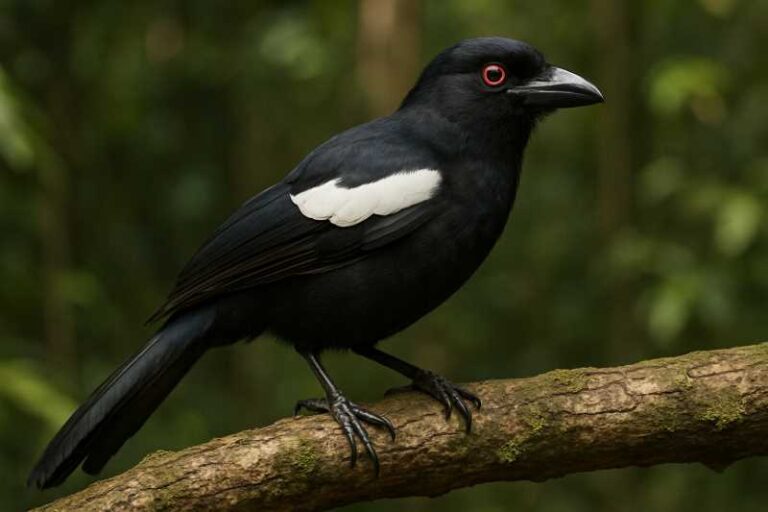
The White-headed Babbler is a medium-sized bird, typically measuring between 22 to 25 centimeters in length. As its name suggests, the bird is distinguished by its striking white head, which contrasts sharply against its otherwise grayish-brown plumage. The body is robust, with soft, fluffy feathers that give it a somewhat rounded appearance. The babbler’s eyes are dark, and its beak is stout and slightly curved, adapted for its omnivorous diet. Its legs are strong, supporting its ground-foraging habits.
Habitat and Distribution
The White-headed Babbler is predominantly found in South Asia, with its range extending across India, Sri Lanka, and parts of Pakistan and Nepal. These birds thrive in a variety of habitats, including scrublands, forests, gardens, and agricultural fields. They are highly adaptable and can often be seen in urban areas, where they have learned to coexist with human populations. Their preference for dense undergrowth and thorny bushes provides them with ample cover and nesting sites.
Social Behavior and Diet
White-headed Babblers are known for their highly social nature, often seen in noisy flocks that can include up to a dozen or more individuals. This social structure is not only crucial for foraging but also plays a significant role in their breeding and territorial behaviors. Their vocalizations are varied, consisting of a range of calls that facilitate communication within the group.
Their diet is omnivorous, comprising insects, small invertebrates, seeds, and fruits. They are opportunistic feeders and are known to forage both on the ground and in trees, exhibiting a remarkable adaptability in their feeding habits. This flexibility in diet is one of the key factors contributing to their success in diverse environments.
Reproduction and Lifespan
The breeding season for the White-headed Babbler typically coincides with the monsoon, when food availability is at its peak. These birds are known for their cooperative breeding behavior, where multiple individuals, often related, participate in the rearing of young. Nests are constructed in dense foliage, providing concealment from predators. The clutch size usually ranges from 2 to 5 eggs, with both parents sharing the responsibility of incubation and feeding the chicks.
While specific data on their lifespan is limited, similar species within the *Turdoides* genus have been observed to live up to 7 years in the wild. The social structure of these birds, coupled with their cooperative breeding, likely contributes to their overall survival and reproductive success.
Conservation Status and Threats
Currently, the White-headed Babbler is classified as a species of Least Concern by the International Union for Conservation of Nature (IUCN). This status reflects their wide distribution and stable population trends. However, like many bird species, they face threats from habitat destruction, primarily due to urbanization and agricultural expansion. Additionally, climate change poses a potential risk by altering the ecosystems they depend on.
Conservation efforts aimed at preserving natural habitats and promoting biodiversity will be essential in ensuring the long-term survival of the White-headed Babbler. Public awareness and engagement in conservation initiatives can also play a pivotal role in protecting these birds and their habitats.
Conclusion
The White-headed Babbler serves as a fascinating example of avian adaptability and social structure. Its ability to thrive in diverse environments, coupled with its distinctive behavior and cooperative breeding, makes it a subject of interest for both scientific study and birdwatching. Ensuring the conservation of this species and its habitat will not only benefit the White-headed Babbler but also the broader ecological communities they inhabit.
As we continue to study and understand these birds, it is imperative that conservation efforts are supported by robust public and governmental engagement. The future of the White-headed Babbler, much like many other species, rests in our collective hands, emphasizing the need for sustainable practices and biodiversity conservation.
Related posts