The Groundscraper Thrush: A Comprehensive Overview
The Groundscraper Thrush, scientifically known as *Turdus litsitsirupa*, is a fascinating avian species that captivates ornithologists and birdwatchers alike. Native to the grasslands and savannas of sub-Saharan Africa, this bird has adapted remarkably well to its environment. In this article, we delve into the physical characteristics, habitat, behavior, diet, and conservation status of the Groundscraper Thrush, providing a comprehensive understanding of this unique bird.
Physical Characteristics
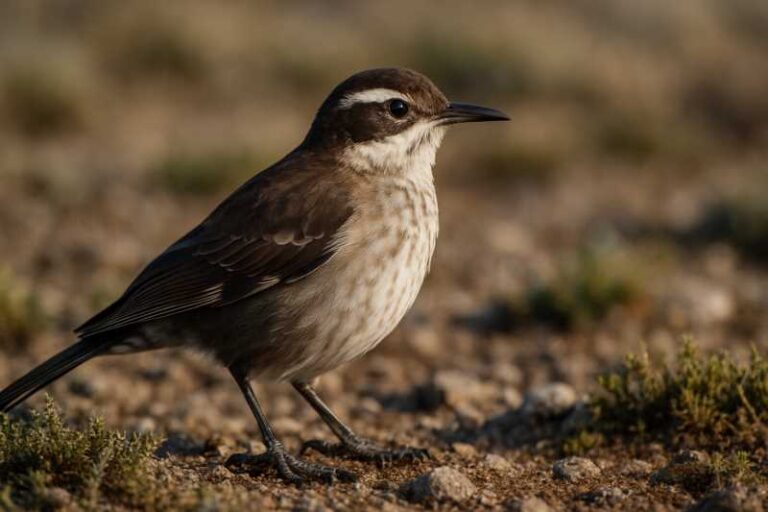
The Groundscraper Thrush is a medium-sized bird, typically measuring between 23 to 25 centimeters in length. It exhibits a distinctive appearance, characterized by a grayish-brown upper body and a white underbody with bold black streaks—a pattern that offers excellent camouflage against the savanna backdrop. The bird’s legs are long and sturdy, aiding in its terrestrial lifestyle. Its eyes are striking, often displaying a vivid yellow or orange hue that contrasts with its subtle plumage.
The Groundscraper Thrush’s vocalizations are equally remarkable. Known for its melodious and varied song, the bird uses an array of whistles, trills, and calls that echo across its habitat. These vocalizations play a crucial role in mate attraction and territorial defense, showcasing the bird’s adaptability to its environment.
Habitat and Distribution
Predominantly found in the open grasslands and savannas of sub-Saharan Africa, the Groundscraper Thrush thrives in regions with sparse tree coverage and ample ground space. Its range extends from southern Africa, including countries like South Africa, Botswana, and Namibia, to parts of East Africa such as Kenya and Tanzania.
The bird prefers areas where it can forage efficiently, often selecting habitats with scattered trees and shrubs that provide both food resources and nesting sites. While it primarily occupies natural landscapes, the Groundscraper Thrush has shown a remarkable ability to adapt to human-altered environments, including farmlands and suburban gardens.
Behavior and Ecology
As its name suggests, the Groundscraper Thrush is highly terrestrial, spending much of its time on the ground in search of food. It employs a foraging technique that involves a combination of walking, hopping, and short flights to locate insects, worms, and other invertebrates hidden in the soil and leaf litter.
During the breeding season, which varies according to region and climate, the Groundscraper Thrush becomes more vocal and territorial. Males perform elaborate song displays to attract females and establish dominance over their territory. Nesting typically occurs in low trees or shrubs, with the female constructing a cup-shaped nest from grass, twigs, and mud.
The Groundscraper Thrush is generally monogamous, with pairs forming strong bonds during the breeding season. Both parents partake in feeding and caring for the young, ensuring high survival rates for their offspring.
Diet
The diet of the Groundscraper Thrush is primarily composed of invertebrates, making it an important player in the ecosystem as a pest controller. Its diet includes insects, spiders, earthworms, and occasionally small reptiles and amphibians. The bird’s foraging habits contribute to soil aeration and the control of pest populations, underscoring its ecological significance.
In addition to invertebrates, the Groundscraper Thrush supplements its diet with fruits and seeds, especially during the dry season when prey availability diminishes. This dietary flexibility allows the bird to endure periods of food scarcity, highlighting its adaptability to varying environmental conditions.
Conservation Status
The Groundscraper Thrush is currently classified as a species of Least Concern by the International Union for Conservation of Nature (IUCN). Its wide range and stable population numbers contribute to this status, although localized threats exist.
Habitat loss due to agricultural expansion, urban development, and climate change poses challenges to the Groundscraper Thrush. Conservation efforts focus on habitat preservation and management to ensure that this species continues to thrive. Birdwatching enthusiasts and conservationists play a vital role in monitoring populations and advocating for protective measures.
Conclusion
The Groundscraper Thrush stands out as a resilient and adaptable bird species, thriving in the diverse landscapes of sub-Saharan Africa. Its distinctive appearance, enchanting vocalizations, and vital ecological role make it a subject of interest for both scientific study and birdwatching enjoyment. As we continue to learn more about the Groundscraper Thrush, it reminds us of the intricate connections within ecosystems and the importance of conserving our natural world.
By understanding and protecting the Groundscraper Thrush and its habitat, we contribute to the preservation of biodiversity and the health of ecosystems across Africa. This bird’s story is a testament to nature’s resilience and the enduring allure of the natural world.
Related posts