Colombian Chachalaca: The Avian Sentinel of South American Forests
**Introduction**
Nestled in the lush forests and mountainous terrains of Colombia, the Colombian Chachalaca (Ortalis columbiana) serves as a vibrant symbol of the country’s rich biodiversity. Known for its distinctive call and gregarious nature, this bird plays a crucial role in its ecosystem. This article delves into the life and times of the Colombian Chachalaca, exploring its habitat, behavior, and conservation status.
**Habitat and Distribution**
The Colombian Chachalaca is endemic to Colombia, meaning it is found nowhere else in the world. Its primary habitat includes subtropical or tropical moist lowland forests and subtropical or tropical moist montane forests. This bird thrives in areas with dense vegetation, which provide both food and protection from predators. The landscapes of the Magdalena Valley and the western slopes of the Eastern Andes are particularly significant for these birds. Unfortunately, these areas are also subject to deforestation and habitat fragmentation, posing significant threats to their survival.
**Physical Characteristics**
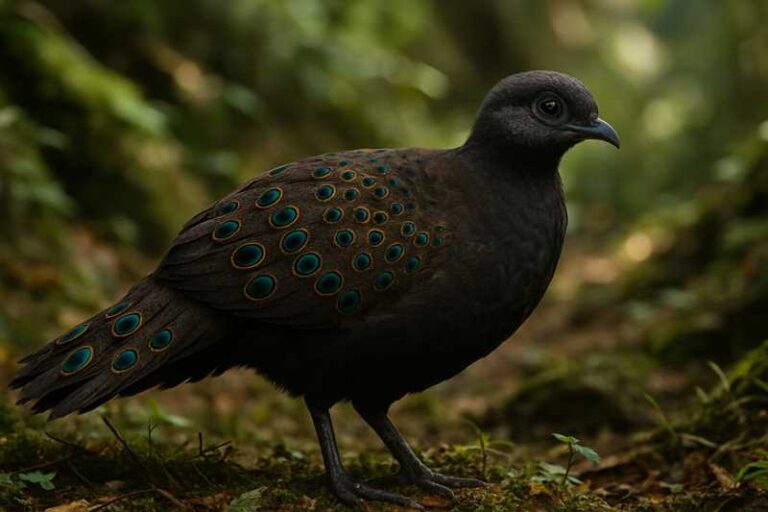
The Colombian Chachalaca is a medium-sized bird, measuring approximately 54 to 58 centimeters in length. It exhibits a predominantly brown plumage, which helps it blend into the forest environment. The bird’s tail is long and broad, with a distinctive rufous patch visible during flight. Its legs are strong and well-suited for perching and walking along branches. The Chachalaca’s eyes are surrounded by bare skin, giving it a distinctive appearance among avian fauna.
**Behavior and Ecology**
Social creatures by nature, Colombian Chachalacas are often found in small family groups. These groups can range from four to 12 individuals, depending on the availability of food and habitat space. The birds are primarily arboreal, spending much of their time in trees foraging for fruits, seeds, and small invertebrates. They are known for their loud, raucous calls, especially at dawn and dusk, which serve as a means of communication within the group and a territorial warning to others.
Chachalacas play a significant ecological role as seed dispersers. By consuming a variety of fruits, they facilitate the growth of new plants, contributing to the health and regeneration of their forest habitats. This mutualistic relationship underscores the importance of the Chachalaca in maintaining the ecological balance of its environment.
**Reproduction and Lifespan**
Breeding for the Colombian Chachalaca typically occurs during the wet season, when food resources are abundant. The female lays two to three eggs in a rudimentary nest made of twigs and leaves, usually situated in dense shrubbery or low trees. Both parents participate in the incubation and rearing of the young, showcasing a strong pair bond and cooperative parenting. The chicks are precocial, meaning they are relatively mature and mobile shortly after hatching, which increases their chances of survival in a predator-rich environment.
**Conservation Status**
The International Union for Conservation of Nature (IUCN) currently lists the Colombian Chachalaca as Least Concern. However, this status does not imply that the species is free from threats. Deforestation, driven by agriculture, logging, and urban expansion, poses a significant risk to their habitat. Moreover, hunting for subsistence and sport affects their population numbers in certain areas. Conservation efforts are crucial to ensuring the survival of this species, focusing on habitat preservation and sustainable land-use practices.
**Conservation Initiatives and Future Prospects**
Efforts to conserve the Colombian Chachalaca are increasingly important as human activities continue to encroach on their habitat. Establishing protected areas and promoting reforestation projects are essential strategies in safeguarding these birds. Additionally, community-based conservation programs that involve local populations in bird monitoring and habitat restoration efforts can foster a deeper understanding and appreciation for the Chachalaca and its ecosystem.
Education and awareness campaigns are also vital in reducing hunting pressures and promoting sustainable practices among local communities. By highlighting the ecological value of the Colombian Chachalaca, these initiatives can help shift perceptions and encourage protective measures.
**Conclusion**
The Colombian Chachalaca is more than just a bird; it is a guardian of the forest, a reminder of the intricate web of life that thrives in Colombia’s diverse ecosystems. As we advance into an era of increased environmental awareness, the responsibility to protect such species becomes ever more pressing. By prioritizing conservation and fostering a harmonious relationship with our natural world, we can ensure that the call of the Colombian Chachalaca continues to echo through the forests for generations to come.
Related posts