
Introduction
The Mangrove Whistler (Pachycephala cinerea) is a captivating species of bird that commands attention due to its distinctive features and unique habitat preferences. Found predominantly in coastal regions, this bird has carved out a niche for itself within mangrove ecosystems, which play a crucial role in coastal biodiversity. As a member of the Pachycephalidae family, the Mangrove Whistler exhibits characteristics that are representative of its genus while also showcasing individual traits that distinguish it from its relatives.
Physical Description
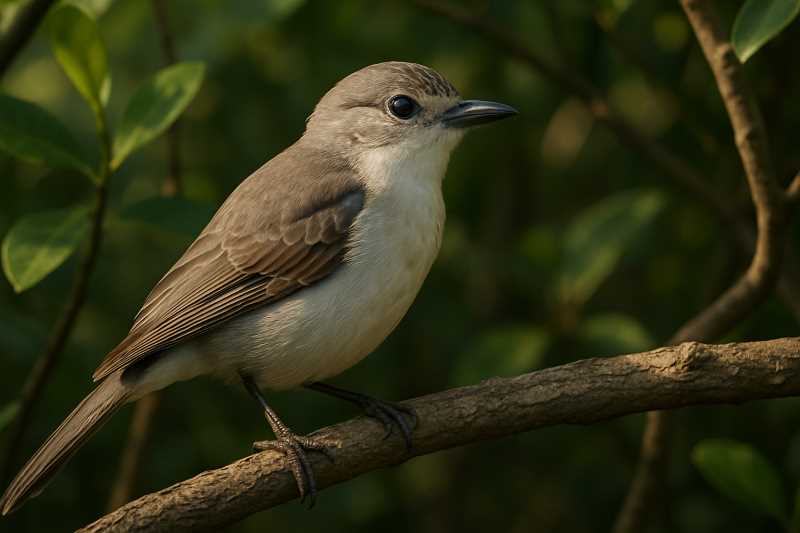
The Mangrove Whistler is a medium-sized bird with a robust body, measuring approximately 16-18 centimeters in length. Its plumage is predominantly gray, with a paler underside that allows for subtle camouflage within its habitat. The bird’s head is marked by a characteristic dark cap, which contrasts with its lighter throat and breast. Its beak is stout and slightly hooked, an adaptation that aids in its foraging habits. The eyes are a striking feature, with a dark iris that stands out against the lighter facial feathers.
Habitat and Distribution
True to its name, the Mangrove Whistler is most commonly associated with mangrove forests. These coastal woodlands provide an ideal environment for the species, offering both shelter and abundant food resources. The bird is distributed across a range of countries in Southeast Asia, including the Philippines, Indonesia, and Malaysia, as well as in several regions of India and Sri Lanka. Its presence in these areas underscores the importance of mangrove conservation, as the health of these ecosystems directly impacts the survival of the species.
Behavior and Diet
The Mangrove Whistler is known for its distinctive vocalizations, which include a variety of whistles and calls that serve both territorial and mating purposes. These vocalizations are often heard during the early morning and late afternoon, when the bird is most active.
In terms of diet, the Mangrove Whistler is primarily insectivorous, feeding on a variety of insects and small invertebrates. It forages among the mangrove branches, skillfully picking off prey with its sharp beak. The bird’s feeding strategy is both opportunistic and strategic, allowing it to adapt to the availability of food resources throughout the year.
Breeding and Reproduction
Breeding season for the Mangrove Whistler typically coincides with the onset of the wet season, when food resources are plentiful. The species is monogamous, with pairs forming strong bonds that last throughout the breeding season. Nests are constructed within the dense foliage of mangrove trees, providing protection from predators and harsh weather conditions.
Clutch size generally ranges from two to three eggs, which are incubated by both parents. This cooperative breeding approach ensures higher survival rates for the offspring, as both parents share responsibilities in feeding and protecting the young.
Conservation Status
Currently, the Mangrove Whistler is classified as a species of Least Concern by the International Union for Conservation of Nature (IUCN). However, this status belies the potential threats that face the species, primarily due to habitat destruction. Mangrove forests are increasingly under pressure from human activities such as coastal development, aquaculture, and logging. These activities not only reduce available habitat for the Mangrove Whistler but also disrupt the intricate ecological balance of these environments.
Importance of Conservation
The conservation of the Mangrove Whistler is intrinsically linked to the preservation of mangrove ecosystems. These habitats are vital for a multitude of species, serving as nurseries for fish, providing coastal protection, and supporting a diverse array of wildlife. The loss of mangroves would have far-reaching consequences, not only for the Mangrove Whistler but for entire coastal ecosystems.
Efforts to conserve the Mangrove Whistler should focus on protecting and restoring mangrove habitats. This can be achieved through initiatives that promote sustainable land use, enforce stricter regulations on mangrove exploitation, and engage local communities in conservation activities. By prioritizing these actions, we can ensure the continued survival of the Mangrove Whistler and the myriad of species that depend on healthy mangrove ecosystems.
Conclusion
The Mangrove Whistler is a remarkable species that embodies the intricate relationship between wildlife and their habitats. As an indicator of mangrove health, its presence is a testament to the richness and vitality of these coastal ecosystems. Protecting the Mangrove Whistler and its habitat is not only an ecological imperative but a reflection of our commitment to preserving the natural world for future generations.
Related posts


