The Majestic Hooded Crane: A Rare Avian Marvel
The Hooded Crane (Grus monacha) is an awe-inspiring creature that captivates bird enthusiasts and ornithologists alike. Known for its striking appearance and elusive nature, the Hooded Crane is a testament to the diverse and intricate tapestry of the avian world. This article delves into the characteristics, habitat, behavior, and conservation efforts surrounding this magnificent bird.
Physical Characteristics
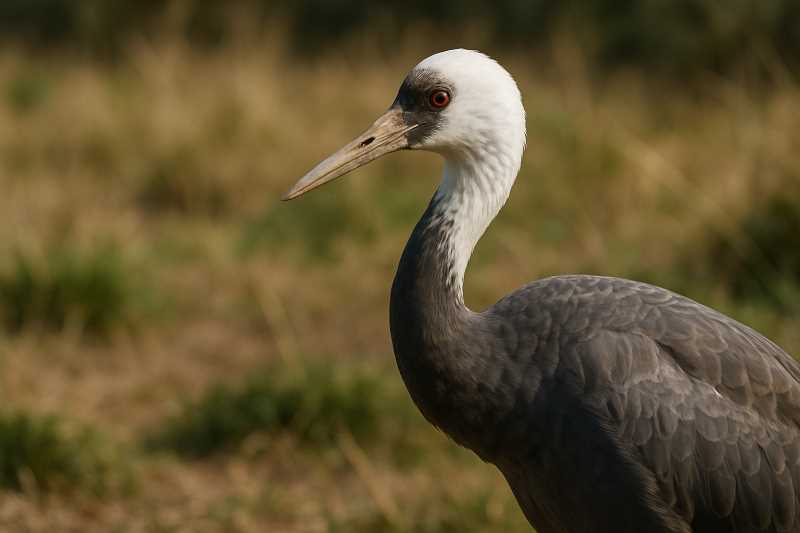
The Hooded Crane is a medium-sized crane, measuring approximately 100 cm (39 inches) in height with a wingspan that extends up to 205 cm (81 inches). It is distinguished by its unique plumage, which features a white hood and upper neck that contrast dramatically with its dark grey body. The face and upper neck are predominantly white, while the rest of the body is cloaked in slate grey feathers. This distinctive coloration not only aids in its identification but also adds to its allure.
One of the most notable features of the Hooded Crane is its red crown patch, which is less pronounced than in some other crane species but nonetheless adds a splash of color to its appearance. The legs and bill are dark, complementing its overall elegant and understated look.
Habitat and Distribution
The Hooded Crane primarily breeds in southeastern Siberia, with a significant population nesting in the remote wetlands and marshes of the Amur River basin and the southern regions of the Russian Far East. During the non-breeding season, these cranes migrate to wintering grounds in East Asia, predominantly in Japan, South Korea, and some parts of China.
The preferred habitats of the Hooded Crane include shallow wetlands, marshes, and paddy fields. These areas provide ample food resources and nesting sites, essential for their breeding and survival. The cranes are often found in regions with abundant vegetation, which offers both food and protection from predators.
Behavior and Diet
Hooded Cranes are social birds, often found in flocks outside the breeding season. They exhibit a range of vocalizations, which play a crucial role in communication, particularly during mating rituals and territorial displays. Their calls are varied, including loud trumpeting sounds and softer cooing notes.
The diet of the Hooded Crane is omnivorous, comprising a mix of plant and animal matter. They feed on aquatic plants, grains, insects, and small vertebrates. The seasonal availability of food sources influences their diet, with cranes adapting their feeding habits to the resources at hand.
During the breeding season, Hooded Cranes engage in elaborate courtship displays, which involve synchronized dancing and vocalization. These displays not only strengthen pair bonds but also serve to establish and defend territories.
Conservation Status
The Hooded Crane is currently classified as Vulnerable on the IUCN Red List of Threatened Species. The primary threats to its population include habitat loss due to agricultural expansion, wetland drainage, and industrial development. Climate change further exacerbates these threats by altering the availability and quality of their habitats.
Efforts to conserve the Hooded Crane are multifaceted, involving habitat protection, restoration projects, and international cooperation. Key conservation initiatives include the establishment of protected areas and the implementation of sustainable agricultural practices that minimize habitat disturbance. In addition, awareness campaigns and community engagement play a vital role in fostering local support for conservation efforts.
Cultural Significance
In Japan, the Hooded Crane holds cultural significance, symbolizing longevity and good fortune. This cultural reverence has contributed positively to conservation efforts, as local communities are more inclined to protect the birds and their habitats.
Conclusion
The Hooded Crane is a symbol of the delicate balance between nature and human activity. Its survival hinges on our ability to preserve and restore its habitats while mitigating the impacts of climate change and development. By understanding and appreciating the unique qualities of this remarkable bird, we can inspire further conservation action and ensure that future generations can witness the grace and beauty of the Hooded Crane in its natural habitat.
Through concerted global efforts, there is hope that the Hooded Crane will continue to thrive, serving as a reminder of the rich biodiversity that our planet harbors and the responsibility we bear to protect it.
This is one of the species covered in our book Cranes Of The World which is part of our Kings Birds of the world series, and one of the Kings Guides.

Related posts