The Sao Tome Fiscal: A Jewel of Avian Conservation
The Sao Tome Fiscal (Lanius newtoni) is a bird species that holds significant ecological and conservation interest. Endemic to the island of São Tomé in the Gulf of Guinea, this bird is a member of the shrike family Laniidae. While it may not be as widely known as other avian species, the Sao Tome Fiscal is a vital component of its natural habitat and a symbol of the unique biodiversity found on this island.
Taxonomy and Description
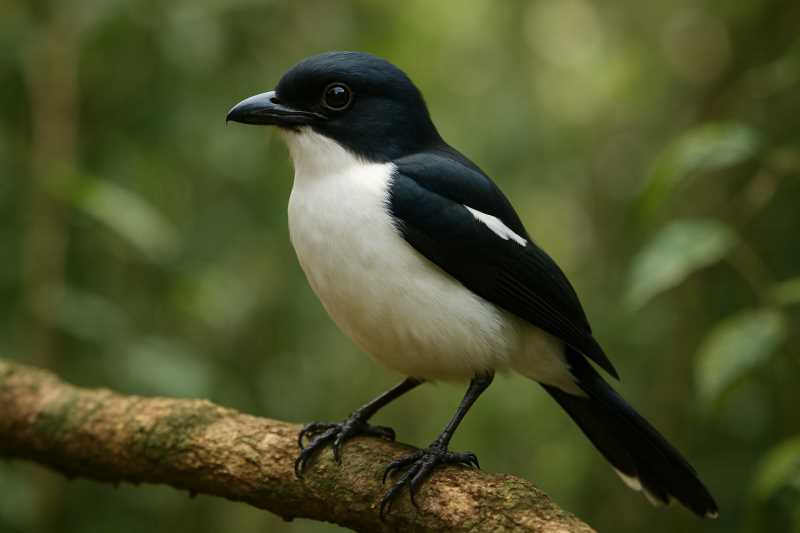
The Sao Tome Fiscal is classified under the order Passeriformes and the family Laniidae, known commonly as shrikes. This small-sized bird is characterized by its striking plumage and distinctive behavior. Adults typically display a predominantly black and white coloration, with a bold black mask over their eyes. Their wings and tail feathers are black with white patches, a design that aids them in blending into their surroundings.
Measuring about 20 to 22 centimeters in length, the Sao Tome Fiscal is a relatively small bird. Despite its size, it possesses a strong, hooked beak which it uses adeptly for hunting. Like other shrikes, this species is known for its carnivorous diet, preying on insects and small vertebrates.
Habitat and Range
The Sao Tome Fiscal is exclusively found on the island of São Tomé, making its range extremely limited. Its habitat consists primarily of secondary forests, scrublands, and occasionally, plantations. These birds prefer areas with dense vegetation and an abundance of perching sites, which they use for hunting and nesting.
The island of São Tomé, with its rich volcanic soil and diverse ecosystems, provides an ideal environment for this species. However, this limited range also makes the Sao Tome Fiscal particularly vulnerable to habitat changes and environmental threats.
Behavior and Ecology
Known for their territorial nature, Sao Tome Fiscals can often be seen perched conspicuously as they scan their surroundings for prey. They are solitary hunters, employing a sit-and-wait strategy that allows them to conserve energy while maintaining vigilance.
Their diet primarily consists of insects, but they are also known to hunt small mammals and reptiles. The Sao Tome Fiscal’s hunting technique is methodical; they use their strong beak to catch and kill prey, often impaling them on thorns or barbed wire, a behavior characteristic of the shrike family.
Conservation Status
The International Union for Conservation of Nature (IUCN) has classified the Sao Tome Fiscal as Critically Endangered. This status is due to a combination of factors including habitat loss, limited range, and the impact of human activities. The conversion of forests to agricultural land poses a significant threat to their habitat, as does the introduction of invasive species which can alter the ecological balance of the island.
Efforts to conserve the Sao Tome Fiscal focus on habitat protection and restoration, alongside research to better understand their ecology and population dynamics. Conservationists are also working with local communities to promote sustainable land-use practices that benefit both people and wildlife.
The Importance of Conservation
The Sao Tome Fiscal is more than just a bird species; it is an integral part of São Tomé’s natural heritage. As a top predator in its ecosystem, it plays a crucial role in maintaining the balance of its habitat. The presence of this bird is an indicator of the health of the environment, and its decline signals broader ecological issues that could affect other species as well.
Conservation of the Sao Tome Fiscal requires a multifaceted approach, addressing both environmental and socio-economic factors. By protecting this species, we are also preserving the unique biodiversity of São Tomé and ensuring that future generations can experience its natural wonders.
Conclusion
The Sao Tome Fiscal (Lanius newtoni) exemplifies the delicate balance of island ecosystems and the pressing need for conservation. As a critically endangered species, it highlights the challenges faced by wildlife in the face of human development and environmental change. Through concerted conservation efforts, it is hoped that the Sao Tome Fiscal will continue to grace the forests of São Tomé, serving as a reminder of the island’s rich natural legacy.
Preserving the Sao Tome Fiscal is not merely about saving a single species; it is about safeguarding an entire ecosystem and ensuring that the unique biodiversity of São Tomé remains intact. As conservationists strive to protect this remarkable bird, they also work to foster a sustainable future for the island and its inhabitants.
Related posts