The Enigmatic Styan’s Bulbul: An Avian Jewel of Taiwan
Nestled in the heart of East Asia, Taiwan is a biodiversity hotspot, home to a unique array of flora and fauna. Among its avian inhabitants, Styan’s Bulbul (Pycnonotus taivanus) stands out as a symbol of the island’s rich ecological tapestry. This article delves into the characteristics, habitat, behavior, and conservation status of this captivating bird, offering insights into its role within Taiwan’s ecosystem.
Taxonomy and Physical Description
Styan’s Bulbul belongs to the family Pycnonotidae, a group known for their melodious songs and vibrant plumage. Named after the British ornithologist F.W. Styan, this species is endemic to Taiwan, meaning it is found nowhere else in the world.
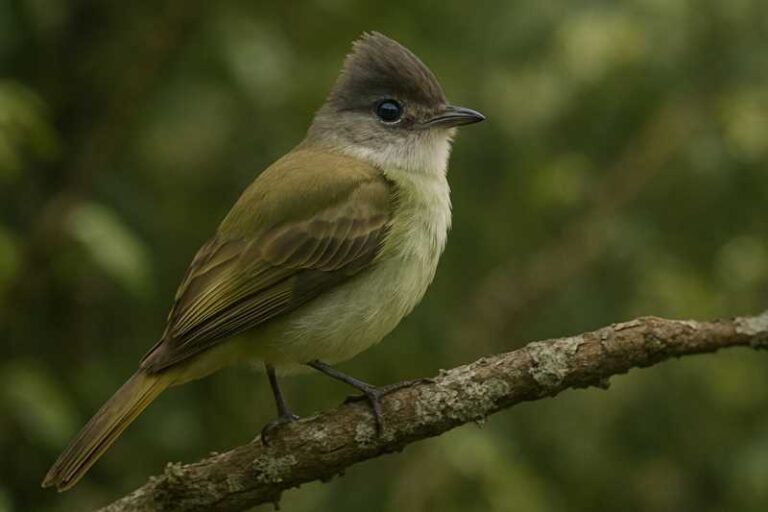
Measuring approximately 19 to 21 centimeters in length, Styan’s Bulbul is a medium-sized bird with a striking appearance. It is characterized by its olive-brown upperparts and white underparts, with a distinctive black cap and crest on its head. The bird’s face is marked by a black mask that contrasts sharply with its white throat and cheek. The eyes are deep brown, and the beak is slender and slightly curved, perfect for its omnivorous diet.
Habitat and Distribution
Styan’s Bulbul is predominantly found in the lowland forests, bamboo groves, and plantations of eastern Taiwan. It inhabits regions ranging from sea level up to 1,500 meters in elevation. These areas provide a rich tapestry of resources, allowing the bird to thrive in both natural and man-made environments.
The bird is a common sight in the subtropical forests of Taiwan, where it plays a vital role in the ecosystem. Its preference for dense foliage and its adaptability to various habitats make it a resilient species, although it is more frequently observed in areas with abundant fruit-bearing plants.
Behavior and Diet
Styan’s Bulbul is a social bird, often seen in pairs or small groups. Its call is a series of melodious notes that resonate through its habitat, making it a familiar sound in the forests of Taiwan. The bird’s song serves not only as a communication tool but also plays a role in establishing territory and attracting mates.
The diet of Styan’s Bulbul is diverse, comprising fruits, seeds, nectar, and insects. This omnivorous diet allows it to exploit a wide range of food sources, which is particularly beneficial during seasons when certain foods are scarce. The bird is known for its role in seed dispersal, contributing to the regeneration of the forest ecosystem.
Reproduction and Lifespan
Breeding season for Styan’s Bulbul typically occurs from April to July. The species is monogamous, with pairs forming strong bonds that often last for several breeding seasons. The female lays a clutch of two to four eggs, which are incubated for about 12 to 14 days.
Nesting occurs in dense vegetation, where the female constructs a small cup-shaped nest using twigs, leaves, and other plant materials. Both parents share responsibilities in feeding and caring for the chicks, which fledge approximately two weeks after hatching. Styan’s Bulbul has a lifespan of about 8 to 10 years in the wild, although this can vary based on environmental conditions and predation pressures.
Conservation Status and Challenges
The International Union for Conservation of Nature (IUCN) currently lists Styan’s Bulbul as a species of “Least Concern.” However, this does not imply that the bird is free from threats. Habitat loss due to urbanization, agriculture, and deforestation poses significant challenges to its population. Additionally, the introduction of invasive species and climate change are emerging threats that could impact its habitat and food sources.
Conservation efforts in Taiwan have focused on habitat preservation and the promotion of sustainable land-use practices. Protected areas and national parks play a crucial role in safeguarding the natural habitats of Styan’s Bulbul and other endemic species. Public awareness campaigns and birdwatching tourism also contribute to the conservation of this iconic bird.
Conclusion
Styan’s Bulbul is more than just a bird; it is a testament to the rich biodiversity of Taiwan and the intricate relationships within its ecosystems. As an emblem of Taiwan’s natural heritage, it reminds us of the importance of conservation and the need to protect our planet’s unique species. Through continued efforts in research, conservation, and education, we can ensure that future generations will continue to enjoy the presence and song of this remarkable bird.
In conclusion, the story of Styan’s Bulbul is a compelling narrative of survival, adaptation, and the enduring beauty of nature. It inspires us to cherish and protect the delicate balance of life that sustains our world.
Related posts