The Enchanting Collared Kingfisher (Todiramphus chloris): A Comprehensive Insight
The Collared Kingfisher (Todiramphus chloris), also known as the White-collared Kingfisher, is a captivating bird species found across a wide range of habitats in the tropical and subtropical regions of the Indo-Pacific. With its striking appearance and diverse habitats, this bird has piqued the interest of ornithologists and bird watchers alike. In this article, we delve into the fascinating world of the Collared Kingfisher, exploring its physical characteristics, habitat, behavior, and conservation status.
Physical Characteristics
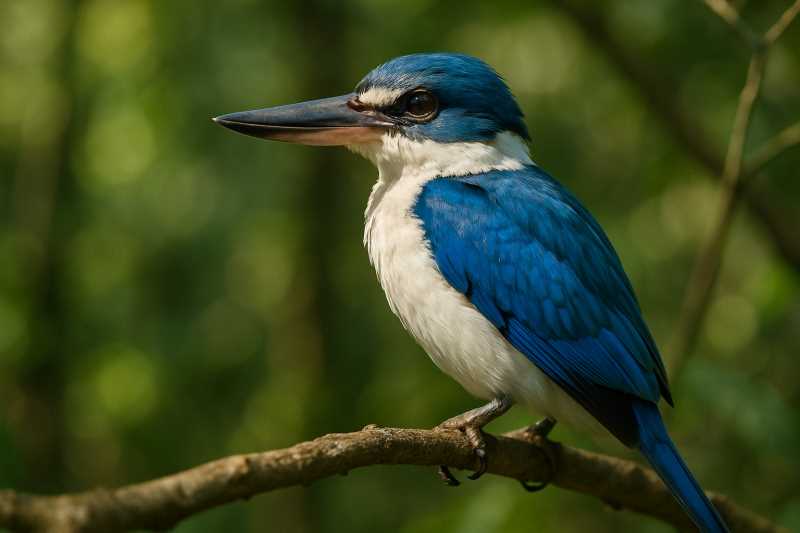
The Collared Kingfisher is a medium-sized bird, measuring about 24 to 25 centimeters in length. It is renowned for its vibrant plumage, characterized by a distinct turquoise-blue back, wings, and tail. The bird’s head is adorned with a white collar, which contrasts beautifully with its dark blue crown and eye stripe. The underparts are predominantly white, adding to its striking appearance. One of the most distinctive features of this kingfisher is its large, robust bill, which is well-adapted for its varied diet.
Habitat and Distribution
The Collared Kingfisher is widely distributed throughout the Indo-Pacific region, with its range extending from the Red Sea in the west to Polynesia in the east, and from Japan in the north to Australia in the south. This bird thrives in a variety of habitats, including mangroves, coastal forests, riverbanks, and even urban areas. Its adaptability to different environments is a key factor contributing to its widespread presence across its range.
Mangroves are particularly favored by the Collared Kingfisher due to the abundance of prey and suitable nesting sites. These birds are often seen perched on branches or wires, scanning their surroundings for potential food sources. Despite their association with coastal areas, Collared Kingfishers have also been recorded in inland regions, demonstrating their remarkable adaptability.
Behavior and Diet
The Collared Kingfisher is an opportunistic feeder, preying on a wide array of organisms. Its diet includes insects, crustaceans, small reptiles, and even other small birds. The bird’s hunting technique is a marvel to observe; it often perches silently, watching for movement before swooping down to capture its prey with precision.
These kingfishers are known for their territorial behavior, often defending their feeding and nesting areas with vigor. They communicate through a series of loud, harsh calls, which can be heard echoing across their habitats. During the breeding season, which varies depending on the region, Collared Kingfishers engage in elaborate courtship displays, showcasing their plumage and vocal prowess.
Reproduction
Breeding habits of the Collared Kingfisher vary with geographic location, but they typically nest in tree cavities or burrows in banks. The female lays a clutch of two to five eggs, which are incubated by both parents. The chicks hatch after approximately three weeks and are cared for by both parents until they fledge. This cooperative breeding strategy ensures a higher survival rate for the offspring.
Conservation Status
Currently, the Collared Kingfisher is classified as a species of Least Concern by the International Union for Conservation of Nature (IUCN). Despite its wide distribution and stable population, certain regional threats could impact specific populations. Habitat destruction, particularly in mangrove areas, poses a significant threat to some Collared Kingfisher populations. Conservation efforts focused on preserving critical habitats are essential to ensure the long-term survival of this species.
Human Interaction and Cultural Significance
The Collared Kingfisher holds a place in the cultural folklore of various regions. In some Pacific Island communities, it is considered a symbol of peace and prosperity. Its vivid colors and dynamic behavior make it a popular subject in wildlife photography and birdwatching circles.
As urbanization continues to encroach upon natural habitats, the adaptability of the Collared Kingfisher serves as a reminder of nature’s resilience. However, it also underscores the importance of sustainable environmental practices to protect the diverse ecosystems these birds call home.
Conclusion
The Collared Kingfisher is a testament to the beauty and adaptability of avian life. Its wide distribution, vibrant plumage, and fascinating behaviors make it a subject of interest for bird enthusiasts and researchers alike. As we continue to study and appreciate these remarkable birds, it is crucial to prioritize conservation efforts to preserve their habitats and ensure their survival for future generations to admire.
By understanding the ecological role and cultural significance of the Collared Kingfisher, we can foster a deeper appreciation for the natural world and the interconnectedness of all life forms within it.
Related posts