The Enigmatic Flores Scops Owl: A Beacon of Biodiversity in Indonesia
Nestled within the lush tropical forests of Indonesia lies a little-known avian gem, the Flores Scops Owl (Otus alfredi). This elusive and enigmatic bird, known for its distinct vocalizations and striking appearance, is endemic to the island of Flores. As part of the broader family of scops owls, Otus alfredi embodies the rich biodiversity of the Indonesian archipelago, offering invaluable insights into the region’s unique ecosystem.
A Glimpse into the Flores Scops Owl
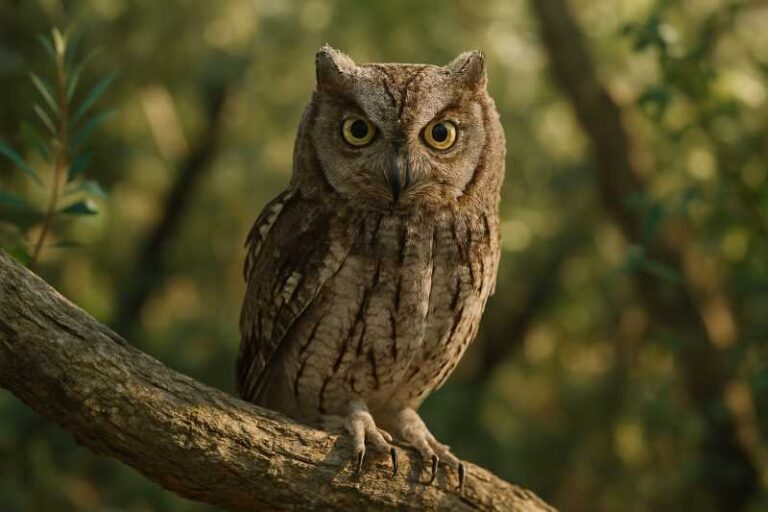
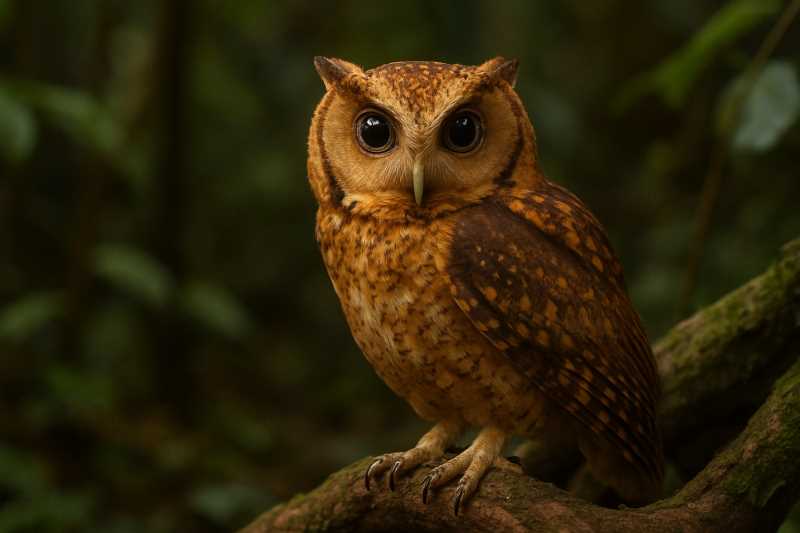
The Flores Scops Owl is a small, nocturnal bird of prey, measuring approximately 19 to 21 centimeters in length. Its plumage is a captivating mix of earthy tones, with mottled brown and grey feathers that provide excellent camouflage against the dense forest backdrop. The owl’s large, expressive eyes, ranging from bright yellow to deep amber, are adapted for night-time hunting, allowing it to spot its prey with remarkable precision.
One of the most distinguishing features of the Flores Scops Owl is its call. Unlike the more commonly known hoots of other owl species, the calls of Otus alfredi are a series of soft, high-pitched whistles, serving as an auditory signature that resonates through the forest at dusk. These vocalizations play a crucial role in communication between mates and in establishing territory.
Habitat and Distribution
Flores, a part of the Lesser Sunda Islands, provides the exclusive habitat for this species. The island’s varied topography, ranging from coastal lowlands to mountainous regions, supports a diverse array of flora and fauna. The Flores Scops Owl primarily inhabits the montane and submontane forests, thriving in environments with dense canopy cover, where it finds ample food and nesting opportunities.
This specific habitat preference makes the owl particularly vulnerable to environmental changes. Deforestation and habitat fragmentation, often driven by agricultural expansion and logging, pose significant threats to its survival. Conservationists emphasize the need to protect these forested areas to ensure the owl’s continued existence.
Conservation Status and Efforts
The International Union for Conservation of Nature (IUCN) currently lists the Flores Scops Owl as “Vulnerable,” highlighting the pressing need for conservation action. With an estimated population of fewer than 10,000 mature individuals, the species faces a high risk of extinction in the wild if current trends continue.
Efforts to conserve the Flores Scops Owl are multifaceted, involving habitat preservation, research, and community engagement. Local and international conservation organizations are working to establish protected areas on Flores, focusing on safeguarding critical habitats from deforestation and degradation. Additionally, ongoing research aims to better understand the owl’s ecology, behavior, and population dynamics, providing data-driven insights that inform conservation strategies.
Community involvement is also pivotal. Engaging local communities through education and sustainable development initiatives fosters a sense of stewardship and highlights the intrinsic value of preserving their natural heritage. By promoting eco-friendly agricultural practices and alternative livelihoods, conservationists hope to reduce human impact on the owl’s habitat.
The Role of the Flores Scops Owl in Ecosystem Health
Beyond its intrinsic value as a species, the Flores Scops Owl plays a vital role in maintaining the health of its ecosystem. As a predator, it helps control populations of small mammals and insects, contributing to ecological balance. The presence of a healthy owl population can serve as an indicator of forest ecosystem integrity, reflecting the overall health and biodiversity of the region.
Looking Ahead: Challenges and Opportunities
While significant strides have been made in understanding and conserving the Flores Scops Owl, challenges remain. Climate change poses an unpredictable threat, potentially altering the owl’s habitat and food availability. Additionally, balancing conservation with human development needs requires ongoing dialogue and collaboration between stakeholders.
However, there are also opportunities. Advancements in technology, such as satellite monitoring and bioacoustic studies, offer new tools for tracking and studying the species in its natural habitat. Increased global awareness and support for biodiversity conservation provide a hopeful outlook for the future of the Flores Scops Owl and other endangered species.
In conclusion, the Flores Scops Owl is more than just a bird; it is a symbol of the rich natural heritage of Indonesia and a testament to the incredible diversity of life on our planet. Protecting this species not only preserves a unique piece of the world’s biodiversity but also underscores the importance of harmonious coexistence between humans and nature. As conservation efforts continue to evolve, the Flores Scops Owl remains a beacon of hope and a reminder of the urgent need to safeguard our planet’s irreplaceable ecosystems.
Related posts