The Enigmatic Mantanani Scops Owl: A Glimpse into Its Life and Habitat
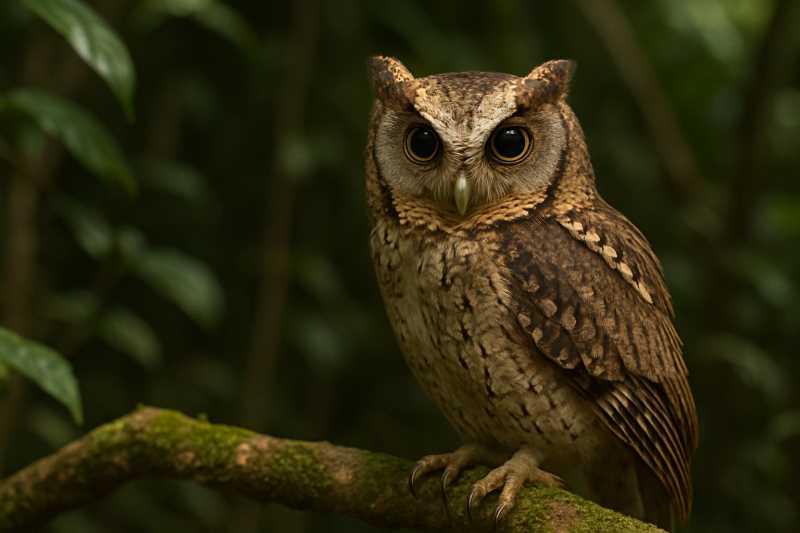
The Mantanani Scops Owl (Otus mantananensis) is a captivating avian species that has intrigued ornithologists and bird enthusiasts alike due to its elusive nature and limited geographical range. Endemic to the Mantanani Islands, located off the coast of Sabah, Malaysia, this small owl embodies the mysteries of island biodiversity and the unique challenges faced by insular species.
Physical Description and Behavior
The Mantanani Scops Owl is a small, nocturnal owl, measuring approximately 19 to 22 centimeters in length. Its plumage is predominantly brown with intricate patterns that provide excellent camouflage against the bark and foliage of its arboreal habitat. The bird’s striking yellow eyes are adapted for enhanced night vision, aiding its nocturnal lifestyle.
This owl is known for its distinctive call, a series of soft hoots, which serves as a means of communication between mates and a territorial signal to other owls. Despite being a vocal species, the Mantanani Scops Owl is rarely seen, as it tends to remain hidden during the day, emerging only under the cover of night to hunt.
Habitat and Distribution
The Mantanani Scops Owl is restricted to the Mantanani Islands, a small archipelago comprising three main islands: Mantanani Besar, Mantanani Kecil, and Lungisan. These islands provide a unique habitat for the owl, characterized by tropical forests, dense undergrowth, and a relatively undisturbed environment. The owl’s preference for lowland and coastal forests is influenced by the availability of prey and nesting sites.
Given the limited distribution of the Mantanani Scops Owl, its population is highly susceptible to environmental changes and habitat disturbance. Deforestation and land conversion for agriculture and tourism development pose significant threats to the owl’s habitat, raising concerns about its long-term survival.
Diet and Hunting
The diet of the Mantanani Scops Owl primarily consists of insects and small vertebrates. Its hunting strategy involves perching silently in the canopy and swooping down to capture prey with its sharp talons. The owl’s acute hearing and vision make it an efficient predator, capable of detecting even the slightest movements in the underbrush.
Adapted to the island’s ecosystem, the Mantanani Scops Owl plays a crucial role in controlling insect populations, thus maintaining a balanced ecological system. Its predation habits also highlight the complex interdependence of island species, where the decline of one species can have cascading effects on others.
Conservation Status and Challenges
The Mantanani Scops Owl is currently listed as Near Threatened on the IUCN Red List. The primary threats to its population include habitat loss, human disturbance, and potential competition with invasive species. Conservation efforts are essential to safeguard the remaining habitat of this enigmatic owl and ensure its survival.
Preserving the Mantanani Scops Owl requires a multifaceted approach, including habitat protection, community engagement, and scientific research. Efforts to establish protected areas and implement sustainable land-use practices are critical to mitigating habitat destruction. Additionally, fostering awareness among local communities about the owl’s ecological importance can promote coexistence and conservation.
Research and Monitoring
Ongoing research and monitoring are vital for understanding the population dynamics and ecology of the Mantanani Scops Owl. Studies focusing on its breeding behavior, population size, and genetic diversity can provide insights into the owl’s adaptability and resilience. Collaborative efforts between conservation organizations, government agencies, and academic institutions can facilitate data collection and analysis, leading to informed conservation strategies.
Citizen science initiatives also offer valuable contributions to monitoring efforts. Encouraging locals and tourists to report sightings and calls of the Mantanani Scops Owl can enhance data collection and raise awareness about the species.
Conclusion
The Mantanani Scops Owl is a symbol of the delicate balance of island ecosystems and the challenges faced by endemic species. Its survival depends on our ability to address the threats of habitat loss and human disturbance while fostering a deeper understanding of its ecological role. Through concerted conservation efforts, research, and community involvement, we can ensure that this enigmatic owl continues to grace the forests of the Mantanani Islands for generations to come.
Related posts