The Shining Sunbeam: A Jewel of the Andes
In the dazzling world of hummingbirds, the Shining Sunbeam (Aglaeactis cupripennis) stands out as one of the most fascinating and visually captivating species. Native to the Andean regions of South America, this small yet vibrant bird captures the imagination and attention of ornithologists and bird enthusiasts alike. This article explores the unique characteristics, habitat, and conservation status of the Shining Sunbeam, offering insight into its role in the rich tapestry of Andean biodiversity.
Description and Physical Characteristics
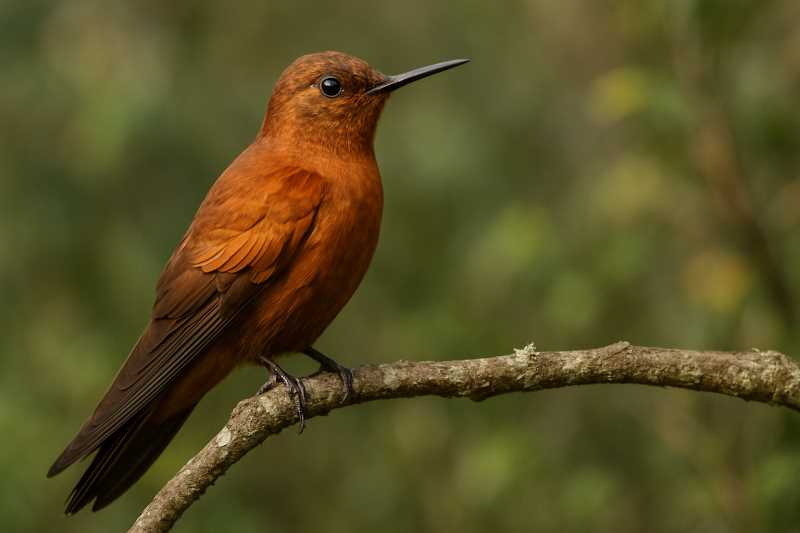
The Shining Sunbeam is aptly named for its iridescent plumage, which shimmers with shades of copper and bronze when touched by sunlight. This medium-sized hummingbird measures approximately 11 to 12 centimeters in length, with a wingspan of about 6.5 centimeters. Its most distinctive feature is its radiant coppery back and rump, which contrasts beautifully with its otherwise muted, earthy tones. The bird’s underparts are a soft grayish-brown, providing a subtle backdrop that enhances the brilliance of its metallic feathers.
Unlike many other hummingbirds, which boast a rainbow of colors, the Shining Sunbeam’s palette is more restrained yet no less striking. Its bill is relatively short and straight, adapted for feeding on the specific types of flowers found within its habitat. The bird’s eyes are large and dark, providing excellent vision for navigating the dense Andean landscapes where it resides.
Habitat and Distribution
The Shining Sunbeam is primarily found in the Andean mountain ranges, with its range extending through countries like Colombia, Ecuador, Peru, and Bolivia. It thrives in high-altitude environments, typically between 2,500 and 4,200 meters above sea level. These regions are characterized by their montane forests and páramo ecosystems, where the bird finds ample food sources and nesting opportunities.
These habitats are rich in biodiversity, offering a variety of flowering plants that the Shining Sunbeam relies on for nectar. The bird plays a crucial role as a pollinator, assisting in the reproduction of many plant species within its range. Its presence is a vital component of the ecological balance in these Andean regions.
Behavior and Diet
The Shining Sunbeam, like other hummingbirds, is a highly active and agile flyer. Its flight is characterized by rapid wing beats and the ability to hover in place, allowing it to feed on nectar with precision. The bird’s diet consists primarily of nectar from a variety of flowers, but it also consumes small insects and spiders to supplement its nutritional needs.
This hummingbird is solitary by nature, typically seen alone or in pairs rather than in large flocks. During the breeding season, males perform elaborate aerial displays to attract females, showcasing their flying prowess and the shimmering quality of their plumage.
Conservation Status and Threats
Currently, the Shining Sunbeam is not classified as a threatened species. However, like many other species inhabiting the Andes, it faces ongoing threats from habitat loss and climate change. Deforestation for agriculture and urban development continues to encroach on its natural habitat, reducing the availability of food and nesting sites.
Climate change poses an additional threat, as shifting temperature and precipitation patterns alter the delicate balance of the Andean ecosystems. Changes in flowering times and the distribution of plant species may impact the availability of food sources for the Shining Sunbeam.
Conservation efforts are essential to ensure the survival of this and other Andean species. Protecting the natural habitats and promoting sustainable land-use practices are critical steps in preserving the biodiversity of these regions.
Conclusion
The Shining Sunbeam is more than just a visual marvel; it is an integral part of the Andean ecosystems. Its shimmering beauty and ecological role as a pollinator underscore the importance of preserving its habitat and ensuring its continued survival. As we continue to explore and understand the natural world, the Shining Sunbeam serves as a reminder of the intricate connections between species and the environments they inhabit. Through concerted conservation efforts, we can help safeguard the future of this remarkable hummingbird and the vibrant ecosystems it calls home.
Related posts