Birding Made Simple
The Adjutant bird family, scientifically known as Leptoptilos, is a group of large, scavenging storks that are primarily found in South and Southeast Asia. Known for their distinctive appearance, these birds feature a bare head and neck, with a large, pendulous pouch that aids in thermoregulation and food storage. The family includes two notable species: the Greater Adjutant and the Lesser Adjutant. These birds are often seen soaring in the sky or foraging in wetlands, playing a crucial role in their ecosystem by consuming carrion and waste. However, due to habitat destruction and human interference, their populations are declining, prompting conservation efforts to protect these unique avian scavengers.
The Akalat bird family, belonging to the genus Sheppardia, is native to the dense forests of sub-Saharan Africa. Known for their elusive nature, these small, insectivorous birds are characterized by their distinct calls and vibrant plumage, which ranges from olive to rufous tones. Akalats inhabit the understory and are adept at navigating the thick foliage, where they forage for insects and other small invertebrates. Conservation efforts are crucial for some species within this family, as habitat loss poses a significant threat to their populations.
The Akekee, scientifically known as Loxops caeruleirostris, is a small, vibrant bird endemic to the Hawaiian island of Kauai. Part of the Hawaiian honeycreeper family, the Akekee is distinguished by its bright yellow plumage, olive-green back, and distinctive blue bill. This species thrives in the high-elevation forests of the Alakai Wilderness, where it feeds primarily on insects and nectar. However, the Akekee faces significant threats from habitat loss, invasive species, and diseases like avian malaria, which have led to a drastic decline in its population. Conservation efforts are critical to preserving this unique avian species and its delicate ecosystem.
The Akepa bird family, known for their vibrant plumage and melodious songs, is native to the Hawaiian Islands. With their distinct small size and curved bills, Akepas are adept at foraging for insects and nectar among the dense foliage of their forest habitats. These birds play a crucial role in the ecosystem by aiding in pollination and seed dispersion. Sadly, due to habitat loss and the introduction of non-native species, the Akepa population faces significant threats, making conservation efforts vital to their survival.
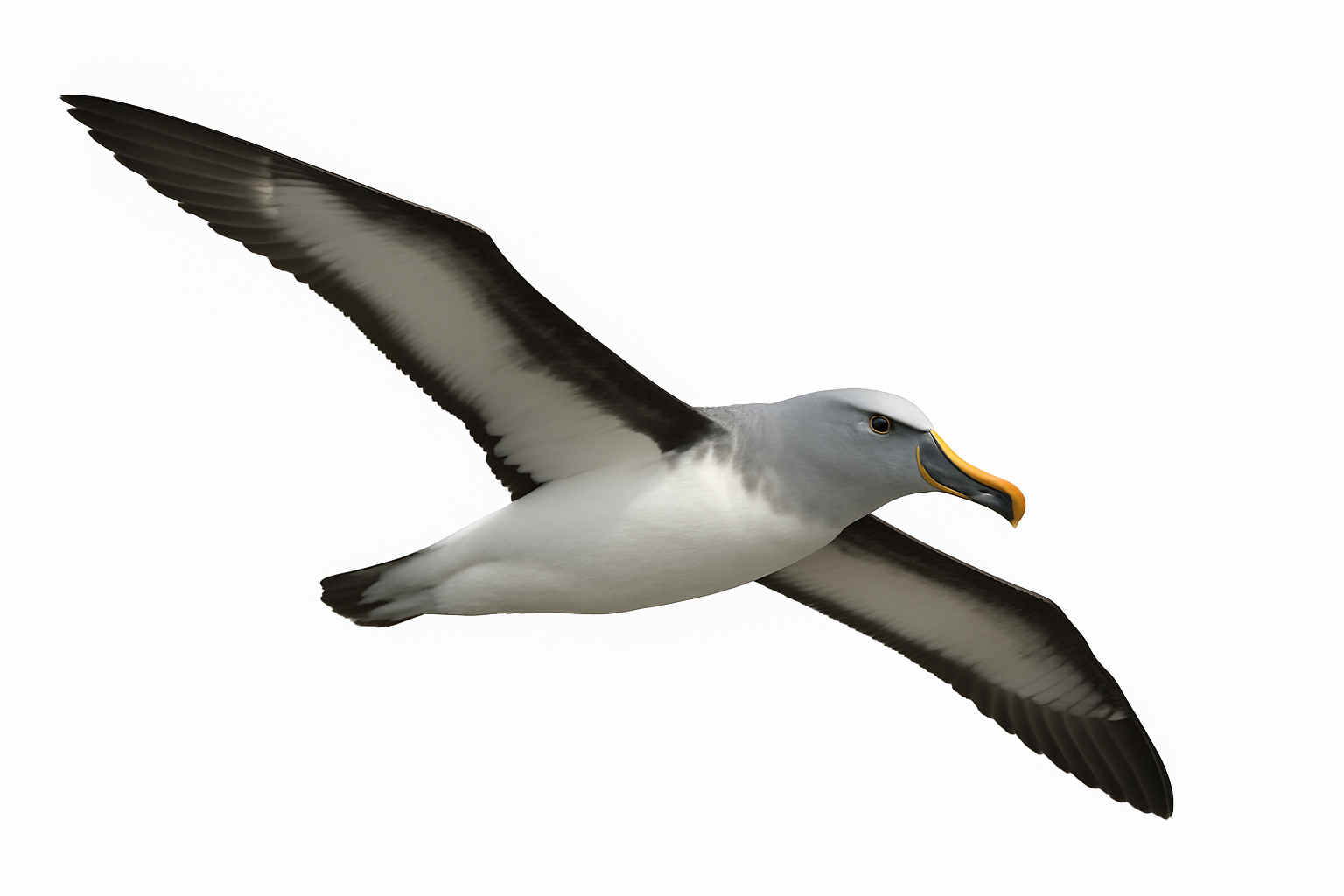
The Albatross bird family, part of the Diomedeidae family, is renowned for its remarkable size and exceptional flying abilities. These majestic sea birds are primarily found in the Southern Ocean and North Pacific, where they gracefully glide over vast ocean expanses. Albatrosses have the largest wingspan of any living bird, with some species reaching up to 12 feet. Their long, narrow wings are perfectly adapted for dynamic soaring, allowing them to cover great distances with minimal energy. These birds are also known for their longevity, with some species living over 60 years. Albatrosses play a crucial role in marine ecosystems, and conservation efforts are vital to protect them from threats such as habitat loss and bycatch.
The Amakihi bird family, native to the Hawaiian Islands, is known for its vibrant plumage and melodious songs. These small, olive-green birds play a crucial role in the ecosystem as pollinators, thanks to their specialized curved bills adapted for feeding on nectar from native flowers. Despite facing threats from habitat loss and diseases, conservation efforts are underway to protect these resilient creatures and their habitats, ensuring that their cheerful presence remains a staple in Hawaii's natural landscapes.
Loading...