The Enigmatic Black-fronted Nunbird: A Jewel of the Amazon Rainforest
The Black-fronted Nunbird (Monasa nigrifrons) stands out as one of the more charismatic avian residents of the Amazon Rainforest. Known for its distinctive appearance and melodious calls, this bird captivates both ornithologists and nature enthusiasts alike. In this article, we delve into the fascinating world of the Black-fronted Nunbird, exploring its habitat, behavior, and the conservation challenges it faces.
Habitat and Distribution
The Black-fronted Nunbird thrives in the lush, biodiverse ecosystems of the Amazon Basin. Its range extends across several South American countries, including Brazil, Peru, Ecuador, Colombia, and Bolivia. Typically, these birds inhabit lowland rainforests, preferring areas with dense vegetation where they can forage and nest in relative seclusion.
Their presence is often noted in the forest canopy, where they perch prominently on branches, scanning the surroundings for prey. The Amazon’s rich biodiversity provides an abundant supply of insects, which constitute the primary diet of the Black-fronted Nunbird. The bird’s adaptability to different forest types, ranging from pristine primary forests to secondary growth and even forest edges, attests to its resilience.
Distinctive Features and Behavior
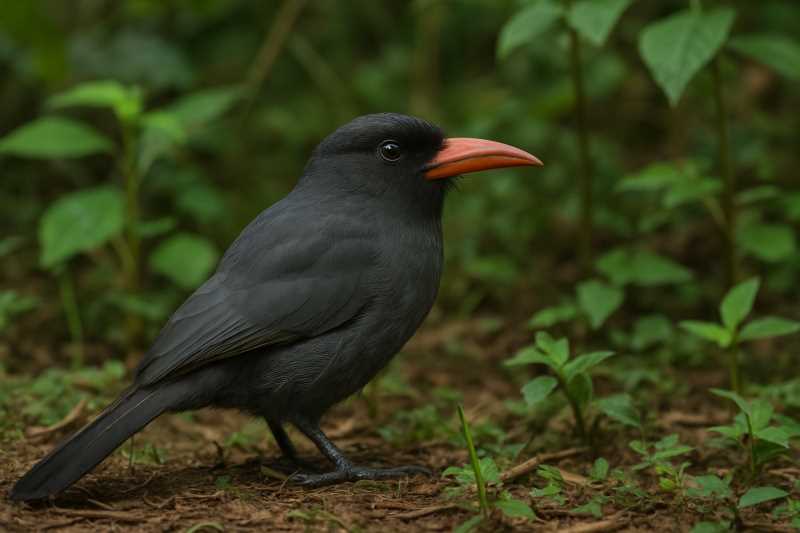
Characterized by its striking plumage, the Black-fronted Nunbird sports a predominantly black body with a bright orange-red bill. Its name derives from the black forehead, which contrasts sharply with the rest of its coloration. This feature is particularly useful for identification in the dense foliage of its habitat.
The Black-fronted Nunbird is a social creature, often seen in small groups. These groups are known to engage in cooperative behaviors, such as mobbing predators and raising young. Their social structure is integral to their survival, allowing them to communicate and coordinate effectively to deter threats and optimize foraging.
Their vocalizations are another noteworthy aspect. The birds produce a series of melodious whistles and calls, which serve multiple purposes, including mate attraction, territory defense, and group cohesion. These vocalizations often echo through the rainforest, a testament to the bird’s presence and vitality.
Reproduction and Life Cycle
Breeding for the Black-fronted Nunbird typically occurs during the wet season, when food resources are plentiful. Nesting sites are often located in tree cavities or earthen banks, providing protection from potential predators. The female lays a clutch of 2-3 eggs, which both parents incubate. This shared responsibility extends to feeding the chicks once they hatch, further highlighting the cooperative nature of these birds.
Chick rearing is a critical phase, with parents diligently providing a steady supply of insects to their young. Once fledged, the juveniles remain with the group, learning essential survival skills and social behaviors from adult members.
Conservation Status and Threats
Despite their adaptability, Black-fronted Nunbirds face significant threats due to habitat loss and degradation. The Amazon rainforest, their primary habitat, is under constant pressure from deforestation, agriculture expansion, and infrastructure development. These activities not only reduce available habitat but also fragment populations, making it difficult for these birds to maintain viable breeding groups.
Conservation efforts are crucial to ensuring the survival of the Black-fronted Nunbird. Protecting large swaths of their habitat through the establishment of reserves and national parks is a primary strategy. Additionally, promoting sustainable land-use practices and raising awareness about the ecological significance of these birds can help mitigate some of the threats they face.
The Role of Citizen Science and Research
Citizen science initiatives have provided valuable data on the distribution and behavior of the Black-fronted Nunbird. Birdwatchers and amateur ornithologists contribute to databases, helping researchers track population trends and identify critical habitats. These efforts complement scientific research, which seeks to understand the ecological roles these birds play in their ecosystems.
Research into the Black-fronted Nunbird’s diet, breeding habits, and social structure provides insights that are essential for formulating effective conservation strategies. By understanding these aspects, conservationists can better predict how environmental changes might impact these birds and develop adaptive management plans.
Conclusion
The Black-fronted Nunbird, with its striking appearance and vibrant behavior, is a vital part of the Amazon’s avian community. Its presence is a reminder of the intricate web of life that thrives in one of the world’s most biodiverse regions. Protecting this species and its habitat is not only crucial for the nunbird itself but also for the countless other organisms that share its environment. With continued research, conservation actions, and community engagement, we can hope to secure a future for the Black-fronted Nunbird and the magnificent rainforest it calls home.
Related posts