The Secretive Life of the Australasian Bittern: Conservation and Challenges
The Australasian Bittern (Botaurus poiciloptilus) is an elusive and enigmatic bird that inhabits the wetlands of Australia and New Zealand. Known for its deep booming call that resonates through the marshes, this bird has garnered significant attention from ornithologists and conservationists alike. Its presence is often a marker of healthy wetland ecosystems, making its conservation critical amidst growing environmental challenges.
Description and Habitat
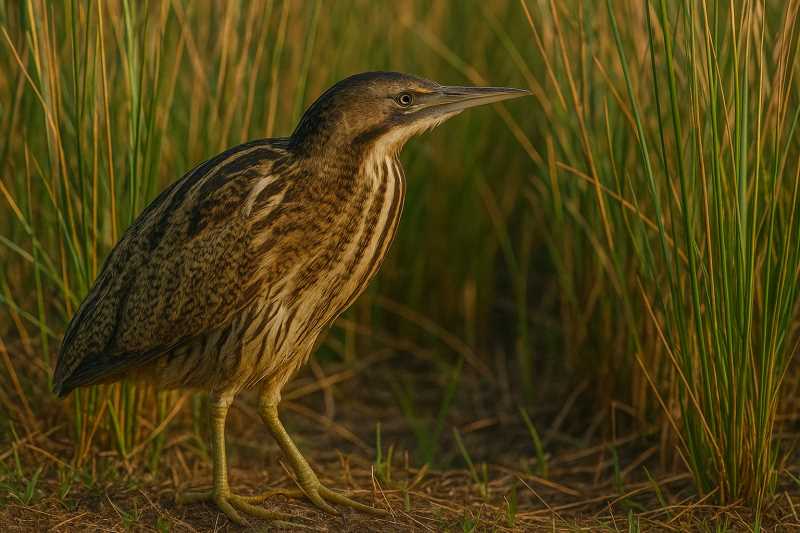
The Australasian Bittern, sometimes referred to as the “Bunyip Bird” due to its mythical boom, is a large, stocky heron with cryptic plumage. Its mottled brown, buff, and black feathers provide excellent camouflage among reeds and rushes, where it spends most of its life. Adults can grow up to 75 centimeters in length with a wingspan extending over a meter, making them one of the largest members of the bittern family.
These birds primarily inhabit freshwater wetlands, including swamps, marshes, and lagoons. They prefer areas with dense vegetation, which offers both protection from predators and abundant feeding opportunities. Their diet mainly consists of fish, amphibians, and invertebrates, which they capture with rapid strikes of their sharp beak.
Conservation Status
The Australasian Bittern is currently listed as Endangered on the IUCN Red List. The primary threats to their survival include habitat destruction, drainage of wetlands for agriculture, and climate change. These pressures have led to a significant reduction in suitable habitats, causing population declines across their range.
Efforts to conserve the Australasian Bittern are heavily focused on habitat preservation and restoration. Wetland conservation initiatives aim to protect existing habitats while restoring degraded areas to increase nesting and feeding opportunities. In Australia, several programs have been implemented to monitor bittern populations and support wetlands through sustainable land management practices.
Challenges in Conservation
One of the most significant challenges in conserving the Australasian Bittern is its secretive nature, which makes it difficult to study and monitor. Traditional survey methods are often ineffective, necessitating the use of innovative technologies like acoustic monitoring. By recording and analyzing the bird’s distinctive booming calls, researchers can estimate population sizes and distribution without requiring visual confirmation.
Moreover, wetland conservation is inherently complex, involving multiple stakeholders, from farmers to government agencies. Balancing the needs of agriculture with the preservation of natural habitats requires careful planning and collaboration. Initiatives that promote sustainable water management and land-use practices are essential for ensuring the long-term viability of wetland ecosystems.
Community Involvement and Awareness
Raising awareness about the Australasian Bittern and its plight is crucial for garnering public support and involvement in conservation efforts. Educational programs and citizen science projects play a significant role in engaging local communities. For instance, BirdLife Australia runs the “Bitterns in Rice” project, which collaborates with rice farmers to create bird-friendly farming practices that benefit both the farmers and the bitterns.
Community involvement can also extend to habitat restoration projects, where volunteers assist in planting native vegetation and monitoring wetland health. Such initiatives not only aid in conservation but also foster a sense of stewardship and connection to the natural world.
The Future of the Australasian Bittern
While the challenges facing the Australasian Bittern are formidable, there is hope. Continued research and conservation efforts are yielding positive results, with some wetland areas showing stable or even increasing bittern populations. The integration of technology and community engagement offers promising avenues for enhancing conservation strategies.
Ultimately, the survival of the Australasian Bittern hinges on our commitment to preserving and restoring the vital wetland ecosystems they depend on. By protecting these habitats, we not only safeguard a species on the brink but also ensure the health and diversity of our natural environments for generations to come.
Related posts