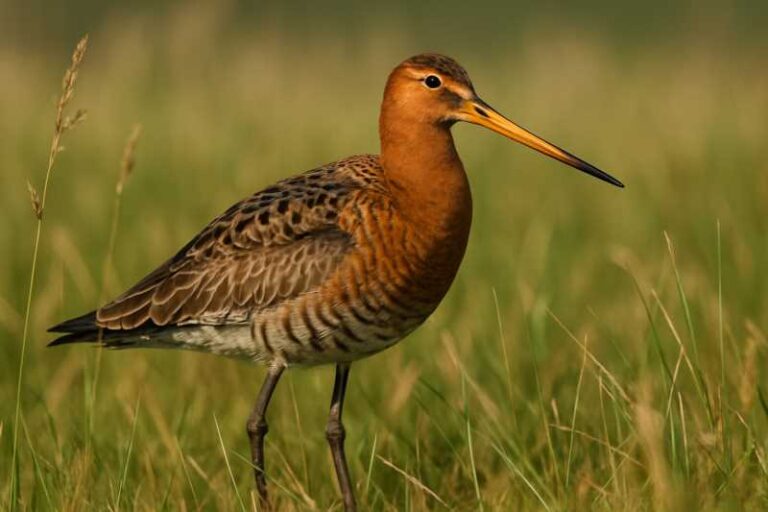
The Whooping Motmot (Momotus subrufescens) is a captivating bird species that enchants birdwatchers and ornithologists alike with its vibrant plumage and unique vocalizations. Found predominantly in Central and South America, this bird boasts a blend of colors and a distinctive racket-shaped tail that sets it apart from other avian species. This article delves into the fascinating world of the Whooping Motmot, exploring its habitat, behavior, and significance within its ecosystem.
Native to the tropical and subtropical forests of Colombia, Venezuela, and parts of Panama, the Whooping Motmot thrives in environments ranging from lowland forests to the edges of secondary forests. This adaptability allows the bird to inhabit a variety of ecological niches, although it predominantly favors dense, humid forest areas. The subtropical climates of these regions provide an ideal environment for the Motmot to flourish, with ample food sources and nesting opportunities.
The physical appearance of the Whooping Motmot is a spectacle to behold. Sporting a striking combination of green, blue, and rufous colors, the bird’s plumage serves not only as a visual delight but also as a form of camouflage in its lush surroundings. The most distinctive feature of the Whooping Motmot is its tail, which possesses a racket-like shape due to the loss of barbs along the shaft—a characteristic that is unique to the Motmot family.
One of the most intriguing aspects of the Whooping Motmot is its vocalization. As its name suggests, this bird is known for its unique whooping call, which resonates through the forest canopy. These calls play a crucial role in communication between individuals, particularly during mating season when males use their calls to attract females. The whooping sound, often described as a series of hollow, hooting notes, serves both as a mating call and a territorial marker.
The diet of the Whooping Motmot is primarily insectivorous, though it is known to consume small reptiles, amphibians, and fruit when available. The bird’s foraging behavior is both active and strategic, often seen swooping down from a perch to catch prey with precision. This diet plays a significant role in controlling insect populations and contributes to the ecological balance of its habitat.
Breeding habits of the Whooping Motmot are as fascinating as its other behaviors. These birds are monogamous, forming long-term pair bonds. Nesting occurs in burrows dug into earthen banks or slopes, a practice that provides protection from predators and environmental elements. Both parents are involved in incubating the eggs and feeding the chicks, demonstrating a collaborative approach to raising their young. Clutch sizes typically range from two to four eggs, with an incubation period of about three weeks.
In terms of conservation status, the Whooping Motmot is currently classified as Least Concern by the International Union for Conservation of Nature (IUCN). However, like many species that rely on forest habitats, it faces threats from deforestation and habitat destruction. Conservation efforts are crucial to ensure the continued survival of this species, with a focus on preserving its natural habitat and mitigating the impacts of human encroachment.
The Whooping Motmot holds cultural significance in the regions it inhabits, often featured in local folklore and considered a symbol of the vibrant biodiversity of the Americas. Its presence is not just a testament to the health of its ecosystem but also a reminder of the intricate connections between species and their habitats.
In conclusion, the Whooping Motmot is a remarkable bird that captivates with its beauty and distinct characteristics. Its role in the ecosystem, both as a predator and a prey species, highlights the delicate balance of nature. As we strive to protect and conserve our natural world, the Whooping Motmot serves as an ambassador of biodiversity, reminding us of the wonders and complexities of avian life. Whether you’re a seasoned birdwatcher or a curious nature enthusiast, the Whooping Motmot offers a glimpse into the vibrant world of tropical birdlife, deserving of admiration and protection.
Related posts