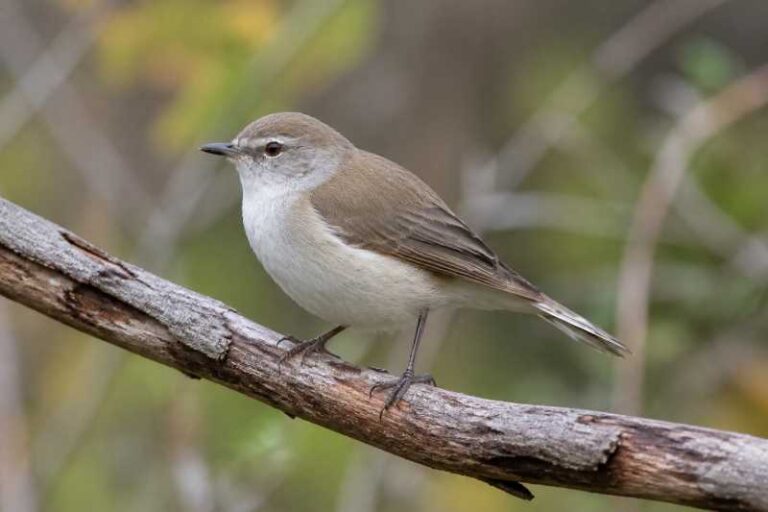
The Enigmatic Collared Pratincole: A Study of Adaptation and Beauty
The Collared Pratincole (Glareola pratincola) is a fascinating avian species known for its distinctive flight, unique breeding habits, and intriguing migratory patterns. This bird, belonging to the family Glareolidae, is a testament to the marvels of adaptation and survival in diverse environments. Its presence across various continents makes it a subject of interest for ornithologists and birdwatchers alike.
Physical Characteristics
The Collared Pratincole is a medium-sized bird, measuring about 24 to 28 centimeters in length with a wingspan of approximately 60 to 70 centimeters. It is easily recognizable by its slender body, long pointed wings, and forked tail. The bird’s plumage is a harmonious blend of earthy tones, with its upper parts predominantly sandy-brown and underparts a creamy beige. The most striking feature is its distinct black collar, which contrasts sharply with its white throat, giving it its name. Its sharp, pointed beak and long legs further add to its unique appearance.
Habitat and Distribution
The Collared Pratincole is a bird of open habitats, often found in grasslands, savannas, marshes, and the shores of lakes and rivers. It thrives in environments where it can easily hunt for its insect prey. This bird is widely distributed across Southern Europe, Africa, and parts of Asia. During the breeding season, it is commonly found in countries like Spain, Portugal, and Italy. As a migratory bird, it travels vast distances, wintering in sub-Saharan Africa and parts of the Arabian Peninsula.
Behavior and Diet
One of the most captivating aspects of the Collared Pratincole is its graceful flight. It exhibits an aerial prowess akin to that of swallows, with swift, agile movements that make it a master of the skies. This flight capability is not merely for show; it plays a crucial role in its hunting strategy. The bird feeds primarily on insects, such as beetles, grasshoppers, and flying ants, which it catches in mid-air with remarkable precision.
In addition to its aerial feeding habits, the Collared Pratincole is known for its unique ground-nesting behavior. It lays its eggs directly on the bare ground, often in a shallow scrape. This nesting strategy, while seemingly risky, allows the bird to inhabit areas with minimal vegetation, providing a clear view of approaching predators.
Breeding and Reproduction
The breeding season of the Collared Pratincole typically begins in late spring and extends through summer. During this time, the bird engages in elaborate courtship displays, characterized by aerial acrobatics and vocalizations. Once a pair bonds, they choose a nesting site on open ground. The female usually lays two to four eggs, which are incubated by both parents. The chicks are precocial, meaning they are relatively mature and mobile shortly after hatching, a trait that increases their chances of survival.
Conservation Status
Currently, the Collared Pratincole is classified as Least Concern by the International Union for Conservation of Nature (IUCN). However, the species faces several threats that could impact its population in the future. Habitat loss due to agricultural expansion, wetland drainage, and climate change poses significant risks. Conservation efforts are essential to ensure that this remarkable bird continues to thrive in its natural habitats.
Conclusion
The Collared Pratincole is a remarkable bird that exemplifies the wonders of avian adaptation and survival. Its ability to thrive in diverse habitats, coupled with its captivating flight and unique breeding habits, makes it a subject of endless fascination. As we continue to study and appreciate this species, it is crucial to address the conservation challenges it faces, ensuring that future generations can also marvel at the beauty and grace of the Collared Pratincole.
Related posts