The Australian Pratincole: A Marvel of Adaptation and Elegance
The Australian Pratincole, scientifically known as Stiltia isabella, is a unique and captivating bird native to the arid and semi-arid regions of Australia and parts of Southeast Asia. This slender and elegant species belongs to the family Glareolidae, which is renowned for its members’ remarkable adaptations to terrestrial life. Despite its unassuming appearance, the Australian Pratincole’s ecological and behavioral traits make it a fascinating subject of study for ornithologists and bird enthusiasts alike.
Distinctive Characteristics
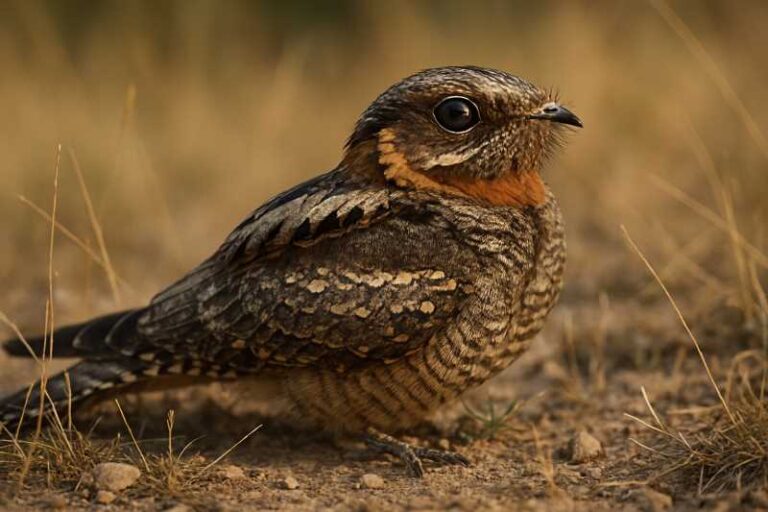
The Australian Pratincole is easily recognizable by its sleek, elongated body and long, pointed wings. It measures approximately 19 to 24 centimeters in length, with a wingspan of about 45 to 50 centimeters. The bird’s plumage is predominantly a sandy brown, which provides excellent camouflage against the arid landscapes it inhabits. During the breeding season, the adult birds exhibit a more striking appearance, with a reddish-brown breast band and a black line extending from the bill to the eye. Their slender, stilt-like legs are adapted for swift terrestrial movement, an essential trait for living in open country environments.
Habitat and Distribution
The Australian Pratincole is a nomadic species, often seen traversing the vast, open plains of Australia. Its range extends from the interior regions of Western Australia, across the Northern Territory, and into Queensland and New South Wales. The species is also found in southern parts of Papua New Guinea and occasionally in Indonesia. These birds prefer open, flat landscapes such as grasslands, salt pans, and dry lake beds, where they can easily spot prey and avoid predators.
Behavioral Patterns
One of the most intriguing aspects of the Australian Pratincole is its behavior, particularly its feeding and breeding habits. The species is predominantly insectivorous, feeding on a variety of insects and small invertebrates. It employs a unique foraging technique, running swiftly across the ground before suddenly stopping to peck at prey. This method of ‘stop-and-go’ hunting is highly efficient in the open habitats the bird favors.
Breeding occurs during the wet season, typically between November and March, when food is abundant. The Australian Pratincole is a ground-nester, laying its eggs in a simple scrape in the earth, often in the vicinity of sparse vegetation or stones that offer minimal protection. Both parents share responsibilities for incubating the eggs and caring for the chicks. The chicks are precocial, meaning they are relatively mature and mobile shortly after hatching, which is vital for their survival in the challenging environment.
Conservation Status
Currently, the Australian Pratincole is listed as a species of Least Concern by the International Union for Conservation of Nature (IUCN). Its population is stable, with no immediate threats posing significant danger to its survival. However, habitat degradation due to agricultural expansion, mining activities, and climate change pose potential long-term threats. Conservation efforts are essential to ensure the preservation of their natural habitats and to mitigate any adverse effects of human activities.
Ecological Importance
The Australian Pratincole plays a significant role in its ecosystem as both a predator and prey. By controlling insect populations, these birds contribute to the ecological balance within their habitats. Additionally, they serve as prey for a variety of predators, including raptors and larger mammals, highlighting their role in the food web.
Conclusion
The Australian Pratincole is a testament to the remarkable adaptability and resilience of bird species inhabiting some of the world’s harshest environments. Its unique characteristics, behaviors, and ecological roles make it an invaluable subject for further research and conservation efforts. As with many native species, understanding and protecting the Australian Pratincole is crucial for maintaining the biodiversity and ecological health of Australia’s diverse landscapes.
In summary, the Australian Pratincole is more than just a bird; it is a symbol of the intricate and delicate balance that characterizes life in the arid zones of Australia. Protecting this species and its habitat ensures the continued survival of a fascinating part of Australia’s natural heritage.
Related posts