Canon EOS R100: A Bird Enthusiast’s Perspective
For bird enthusiasts, capturing the intricate details of our feathered friends in their natural habitats is a pursuit of passion. The Canon EOS R100 enters the field as a mirrorless camera option that promises to deliver on several fronts, especially for those dedicated to bird photography. While it offers some compelling features, it also presents a few limitations that potential buyers should consider.
Design and Build Quality
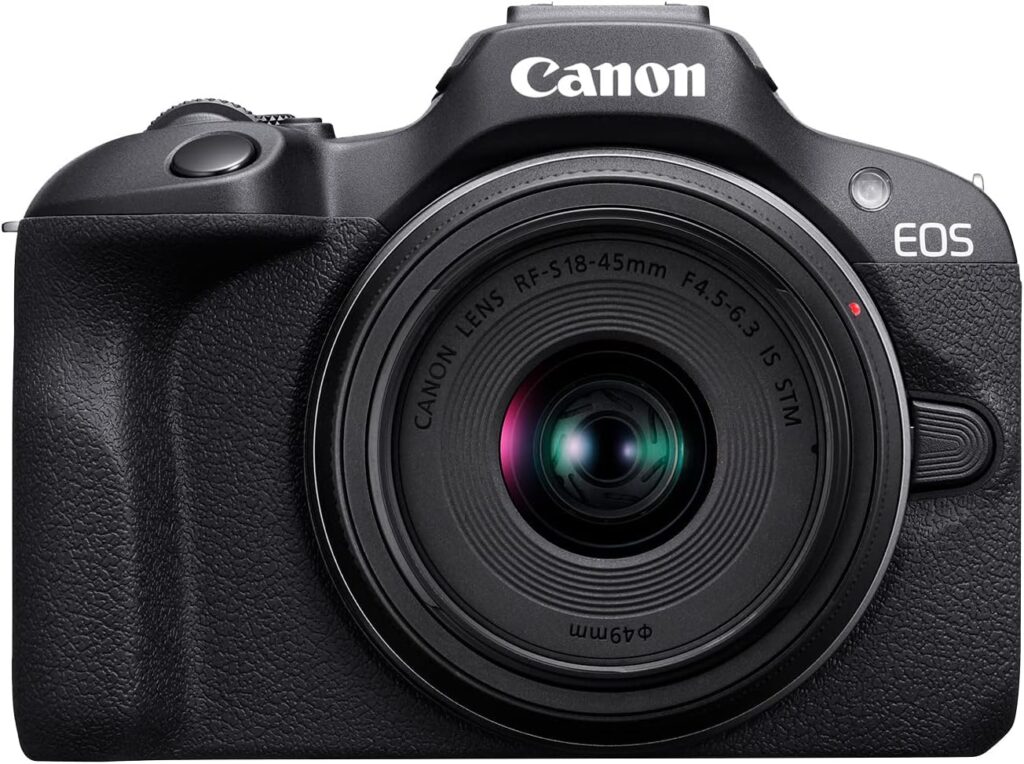
The Canon EOS R100 is compact and lightweight, making it an appealing choice for bird watchers who often spend long hours in the field. Weighing just around 365 grams (excluding the lens), it’s easy to carry on long hikes or when maneuvering through challenging terrains. The camera’s ergonomics are well thought out, featuring a comfortable grip that can be appreciated during extended use.
However, the lightweight design comes with trade-offs. The body is made of polycarbonate, which, while durable for general use, might not withstand harsher conditions as effectively as more robust materials. For bird photographers who often find themselves in rugged environments, this could be a potential downside.
Image Quality
The EOS R100 boasts a 24.1 MP APS-C CMOS sensor, delivering sharp and vibrant images that are crucial for bird photography. The sensor size is optimal for capturing fine details, such as the intricate patterns on a bird’s feathers. Coupled with Canon’s DIGIC 8 image processor, the camera excels in producing high-quality images even in challenging lighting conditions.
Nonetheless, the camera lacks in-body image stabilization (IBIS), which could be a drawback for those who often shoot handheld, particularly in low-light scenarios. While many Canon lenses offer stabilization, relying on lens stabilization alone may not be sufficient for capturing sharp images of fast-moving birds.
Autofocus System
One of the standout features of the Canon EOS R100 is its Dual Pixel CMOS AF system. This system provides fast and accurate autofocus performance, which is essential when photographing unpredictable subjects like birds. With 143 autofocus points, users can achieve precise focus on their subject, reducing the number of missed shots.
However, the camera’s autofocus system, while effective, does not include Animal Eye AF. This technology, available in some higher-end models, can significantly enhance focus accuracy when photographing birds by automatically detecting and focusing on the bird’s eye. For serious bird photographers, this absence might be a limiting factor.
Continuous Shooting
Bird photography often requires the ability to capture images in quick succession to get the perfect shot. The EOS R100 offers a continuous shooting speed of up to 6 frames per second. While adequate for many situations, it might fall short in scenarios where birds are in rapid flight or during intense action sequences.
Connectivity and Battery Life
In today’s digital age, sharing images quickly can be as important as capturing them. The Canon EOS R100 comes with built-in Wi-Fi and Bluetooth connectivity, allowing photographers to transfer images to their devices seamlessly. This feature is particularly beneficial for bird enthusiasts who like to share their work on social media or with fellow birders in real-time.
On the battery front, the camera uses the LP-E17 battery, which offers approximately 320 shots per charge. For a day-long birding trip, this may require carrying extra batteries, especially if you plan to shoot extensively or use the camera’s video capabilities.
Video Capabilities
While primarily a photography tool, the EOS R100 offers respectable video capabilities. It can record 4K video at 25fps and Full HD video at up to 60fps. For bird enthusiasts who also enjoy capturing videos of birds, this feature allows for flexibility in content creation.
However, the 4K video is cropped, which might not be ideal for all shooting scenarios. Additionally, the lack of a headphone jack for monitoring audio could be a limitation for those who are serious about video production.
Conclusion
The Canon EOS R100 is a well-rounded entry-level mirrorless camera that offers several features appealing to bird enthusiasts. Its compact design, high-quality image output, and efficient autofocus system make it a solid choice for those who prioritize portability and image quality.
However, the absence of in-body stabilization, limited continuous shooting speed, and lack of advanced autofocus features like Animal Eye AF might deter more seasoned bird photographers. The camera is an excellent option for beginners or those looking to step into the world of mirrorless photography, but professionals might find it lacking in areas crucial to their craft.
Ultimately, the Canon EOS R100 represents a balanced offering, providing good value for its price point. Bird enthusiasts considering this camera should weigh its strengths and weaknesses in relation to their specific needs and shooting environments.
Related posts