The Majestic Giant Kingfisher: An In-depth Exploration
The Giant Kingfisher (Megaceryle maxima) stands as a proud and striking member of the Alcedinidae family, renowned for its impressive size and captivating presence. As the largest kingfisher species in Africa, it commands attention with its bold appearance and distinctive behaviors. This article delves into the unique characteristics, habitat, and ecological significance of the Giant Kingfisher, revealing the wonders of this magnificent bird.
Physical Characteristics
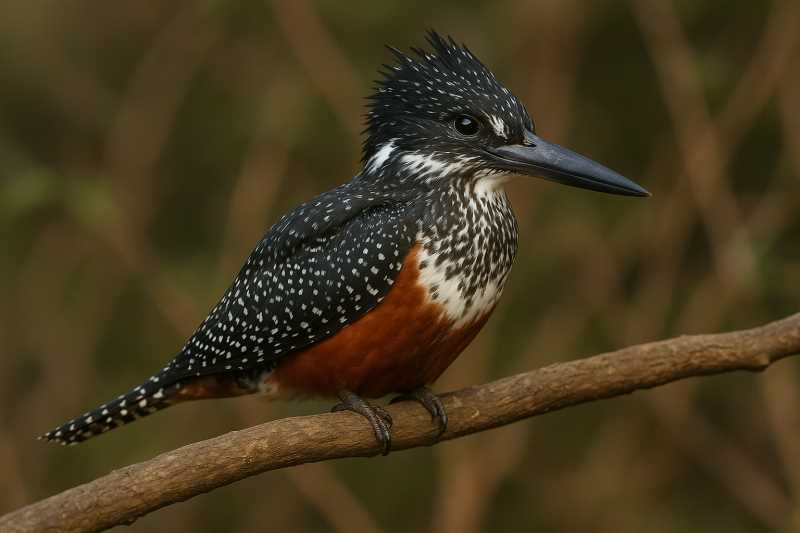
Measuring up to 46 centimeters in length, the Giant Kingfisher is a formidable presence in its natural environment. It boasts a robust build, with a large, powerful bill that is perfectly adapted for catching its prey. Males and females are distinguishable by their plumage; males typically exhibit a rust-colored chest band, which is absent in females. The rest of their plumage is predominantly slate gray with white speckles, adding a striking contrast that aids in camouflage among the dappled sunlight of riverbanks.
Habitat and Distribution
The geographic range of the Giant Kingfisher spans across sub-Saharan Africa, where it is commonly found near large bodies of water such as rivers, lakes, and coastal lagoons. These habitats provide ample opportunities for hunting and nesting, as the bird primarily feeds on fish and aquatic invertebrates. The presence of suitable perches, such as tree branches or rocks, is crucial for their hunting strategy, allowing them to dive with precision when spotting prey from above.
Behavior and Diet
The Giant Kingfisher is a solitary bird, often seen perched quietly above the water, waiting patiently for the perfect moment to strike. Its diet mainly consists of fish, which it captures with remarkable skill and agility. Upon spotting a potential meal, the kingfisher will plunge headfirst into the water with incredible speed and accuracy, using its strong bill to grasp the prey securely. In addition to fish, it also preys on crabs, small amphibians, and occasionally insects.
Breeding and Nesting
Breeding season for the Giant Kingfisher varies by region but generally occurs during the dry season when water levels are low, making it easier to hunt. The birds are monogamous and often return to the same nesting site each year. They excavate burrows in riverbanks or sandbanks, creating a tunnel that can extend up to 5 meters in length. The female lays a clutch of eggs, typically numbering between 3 to 5, which are incubated by both parents. The young are born altricial, meaning they are initially helpless and reliant on their parents for food and protection until they fledge.
Conservation Status and Threats
Currently listed as a species of Least Concern by the International Union for Conservation of Nature (IUCN), the Giant Kingfisher does not face immediate threats of extinction. However, like many wildlife species, it is susceptible to habitat destruction and pollution. Deforestation and the degradation of wetland ecosystems pose significant challenges, potentially impacting their breeding and feeding grounds. Conservation efforts aimed at preserving natural habitats are crucial for ensuring the continued survival of this iconic bird.
Ecological Significance
Apart from its aesthetic and cultural value, the Giant Kingfisher plays an important role in its ecosystem. As a predator, it helps maintain the balance of aquatic populations, controlling the numbers of fish and invertebrates. This balance is essential for the health of aquatic ecosystems, highlighting the interconnectedness of species within these habitats.
Conclusion
The Giant Kingfisher is a remarkable emblem of Africa’s rich biodiversity. Its striking appearance, skilled hunting techniques, and ecological importance make it a subject of fascination for birdwatchers and nature enthusiasts alike. As we continue to appreciate and study this magnificent bird, it serves as a reminder of the intricate beauty of nature and the need to protect the diverse habitats that support such incredible species.
In conclusion, the Giant Kingfisher is not just a bird of exceptional beauty but also a vital component of its ecosystem. Through dedicated conservation efforts and a deeper understanding of its life and habits, we can ensure that future generations will continue to marvel at the sight of this grand bird.
Related posts