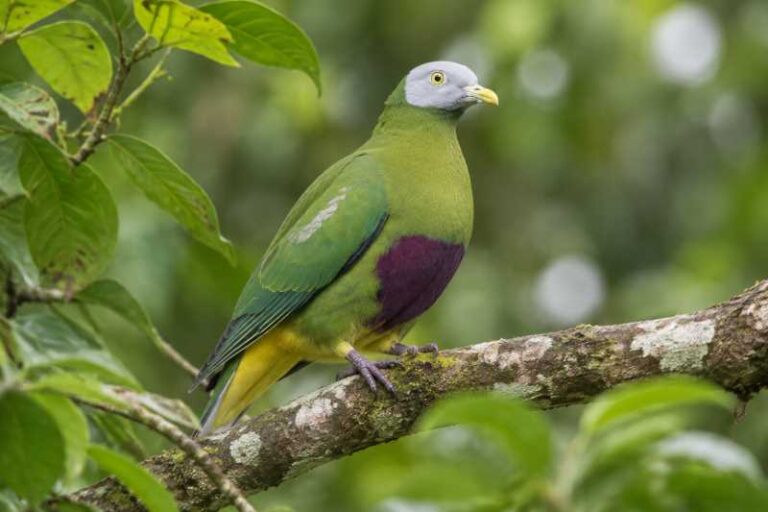
Discovering the Banded Kingfisher: Nature’s Ornate Jewel
The Banded Kingfisher (Lacedo pulchella) is a captivating avian species that intrigues ornithologists and birdwatchers alike with its striking appearance and elusive nature. Endemic to Southeast Asia, this bird is a testament to the region’s rich biodiversity and vibrant ecosystems.
Habitat and Distribution
The Banded Kingfisher thrives in the dense, humid lowland and hill forests of Southeast Asia, including countries like Thailand, Malaysia, Indonesia, and Brunei. Its preference for undisturbed, primary forests highlights the importance of conservation efforts in these areas, as deforestation and habitat destruction pose significant threats to its survival.
Appearance and Identification
The Banded Kingfisher is a medium-sized bird, measuring approximately 20 to 25 centimeters in length. It is sexually dimorphic, meaning that males and females exhibit distinct differences in their plumage. Males boast a vibrant blue-and-orange color scheme, with a striking cobalt-blue crown and wings, contrasted by a bright orange belly and a distinctive banded pattern on their chest and back. Females, on the other hand, are more subdued in appearance, with a brownish hue and black barring across their body, allowing them to blend seamlessly into their forested surroundings.
Their long, stout bills are another defining feature, perfectly adapted for their carnivorous diet, which primarily consists of insects, small reptiles, and occasionally, amphibians. Observing a Banded Kingfisher in its natural habitat is a rare and rewarding experience, as their elusive nature and preference for dense canopies make them challenging to spot.
Behavior and Ecology
Banded Kingfishers are solitary creatures, most often seen alone or in pairs. They are known for their distinctive calls, which consist of loud, shrill whistles that echo through the forest. These calls play a crucial role in communication and territory establishment.
During the breeding season, which typically occurs between February and May, Banded Kingfishers engage in elaborate courtship displays. Males are known to perform aerial acrobatics and present food offerings to females as part of their mating rituals. Once a pair has formed, they excavate a nesting site, usually a cavity within a tree trunk, where the female lays two to five eggs.
Both parents share the responsibility of incubating the eggs and feeding the chicks once they hatch. The young fledge after about 20 to 25 days, although they remain dependent on their parents for food and protection for several weeks thereafter.
Conservation Status and Threats
The Banded Kingfisher is currently classified as a species of Least Concern by the International Union for Conservation of Nature (IUCN). However, this status does not imply that the species is free from threats. The ongoing destruction of their natural habitat due to logging, agriculture, and urbanization poses significant challenges to their populations.
Conservation efforts are essential to ensure the survival of the Banded Kingfisher and other species that share its habitat. Initiatives such as protecting existing forests, promoting sustainable land-use practices, and raising awareness about the ecological importance of these birds are critical steps towards preserving their populations.
The Cultural Significance of the Banded Kingfisher
Beyond their ecological importance, Banded Kingfishers hold cultural significance in many of the regions they inhabit. In some Southeast Asian cultures, kingfishers are considered symbols of prosperity and good fortune. Their vibrant plumage and elusive nature have inspired countless myths and legends, underscoring their enduring appeal.
Conclusion
The Banded Kingfisher is a remarkable testament to the beauty and complexity of Earth’s biodiversity. Its vibrant colors, distinctive behaviors, and ecological significance make it a subject of fascination and admiration. Protecting this species and its habitat is not only crucial for maintaining the ecological balance of Southeast Asian forests but also for preserving a living symbol of the natural world’s wonder. By fostering a deeper understanding and appreciation of the Banded Kingfisher, we can inspire more effective conservation efforts and ensure that future generations can continue to marvel at this extraordinary bird.
As we continue to explore and appreciate the natural world, the Banded Kingfisher serves as a reminder of the intricate connections that bind all living creatures and the vital role each species plays in the tapestry of life.
Related posts