The Corn Crake: A Hidden Gem of the Grasslands
The Corn Crake (Crex crex) is a bird that often goes unnoticed due to its elusive nature and preference for dense vegetation. Despite its understated presence, the Corn Crake is a fascinating species that plays a critical role in the ecosystems it inhabits. This article delves into the life of the Corn Crake, exploring its habitat, behavior, and the conservation challenges it faces.
Natural Habitat and Distribution
The Corn Crake is primarily found across Europe and Asia, with its range extending from the British Isles to western China. Its preferred habitats are grasslands, hayfields, and meadows, particularly those with tall, dense vegetation that offers cover. This bird is migratory, spending its winters in sub-Saharan Africa before returning to its breeding grounds in the spring.
Historically, the Corn Crake was a common sight across Europe. However, changes in agricultural practices have led to significant habitat loss, pushing the species to the brink in many areas. Modern farming techniques, which often involve earlier and more frequent mowing, destroy nests and leave little room for the dense vegetation the Corn Crake needs to thrive.
Behavior and Characteristics
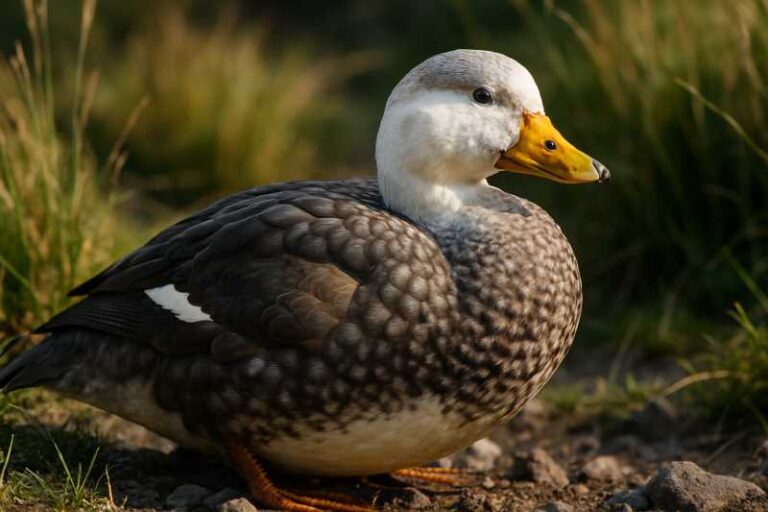
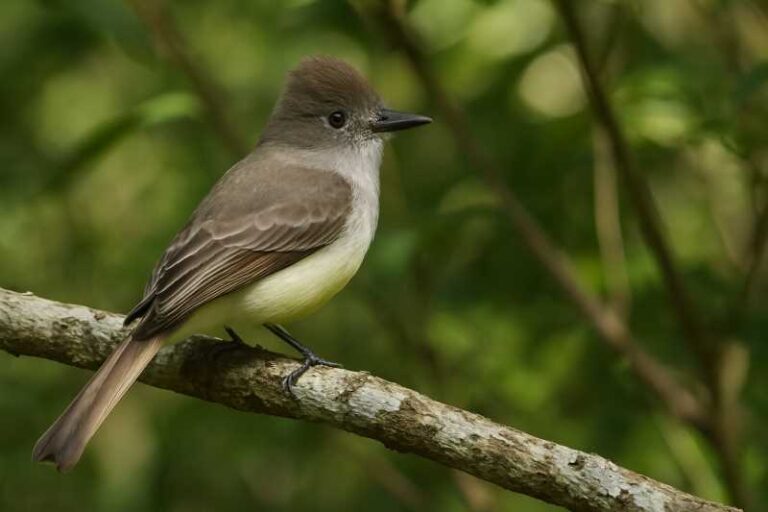
The Corn Crake is a member of the Rallidae family, characterized by its secretive nature and distinctive call. Despite being a rail, it spends most of its time on the ground, navigating through the underbrush with ease. The bird’s plumage is primarily brown and streaked, providing excellent camouflage against predators.
One of the most notable aspects of the Corn Crake is its call—a repetitive, rasping "crex crex" sound that can be heard during the breeding season. This call is primarily made by males as they establish and defend their territories. Despite being loud and persistent, these calls are often the only indication of the bird’s presence, as Corn Crakes are notoriously difficult to spot.
Breeding and Life Cycle
Corn Crakes are ground-nesters, with the female laying between 6 to 14 eggs per clutch. The chicks are precocial, meaning they are relatively mature and mobile shortly after hatching. This is a crucial adaptation, as the nests are vulnerable to predation and agricultural activities.
The breeding season for Corn Crakes is relatively short, from late April to July. During this time, the birds focus on raising their young and preparing for migration. The chicks fledge in about 5 weeks and are independent shortly thereafter. By late summer, the birds begin their journey to Africa, where they will spend the winter months.
Conservation Challenges
The Corn Crake is currently classified as a species of Least Concern by the IUCN, but this status belies the challenges it faces. The primary threat to the Corn Crake is habitat loss due to agricultural intensification. The shift to mechanized farming has led to a decline in suitable habitats, as fields are mowed earlier and more frequently, destroying nests and leaving little shelter for these birds.
Conservation efforts are in place in several countries to address these challenges. In the UK, for example, agri-environment schemes encourage farmers to adopt Corn Crake-friendly practices, such as delayed mowing and the creation of uncut grass margins. These efforts have shown promising results, with some populations beginning to recover.
Public awareness and education are also critical components of conservation strategies. By raising awareness of the Corn Crake’s plight, conservationists hope to garner public support for measures that protect and restore its habitats.
The Importance of the Corn Crake
Beyond its intrinsic value, the Corn Crake serves as an indicator species for the health of grassland ecosystems. Its presence signifies a well-managed and biodiverse environment, which benefits a wide range of other species. Protecting the Corn Crake, therefore, has broader ecological implications, contributing to the overall health and resilience of these habitats.
In conclusion, the Corn Crake is a symbol of the rich biodiversity that can thrive in well-managed agricultural landscapes. While it faces significant challenges, concerted conservation efforts offer hope for its future. By valuing and protecting this elusive bird, we take a step towards preserving the intricate tapestry of life that sustains us all.
Related posts