The Graceful Nomad of Wetlands: The Black Tern
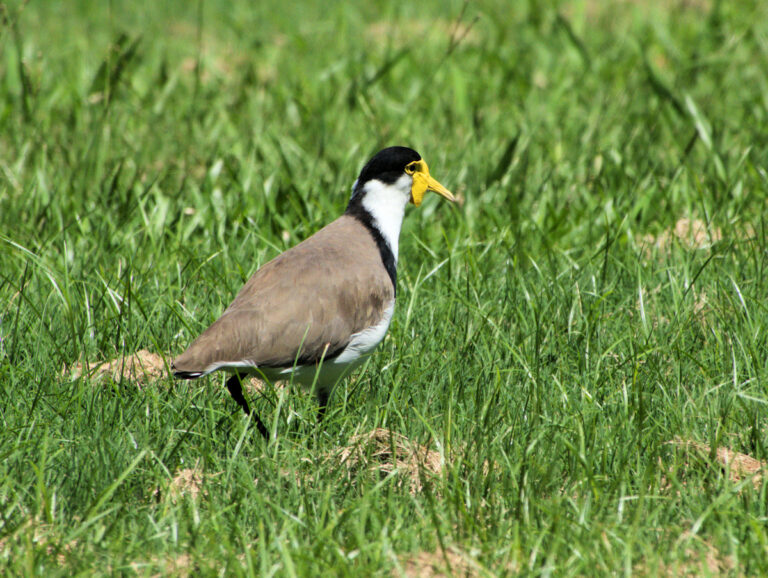
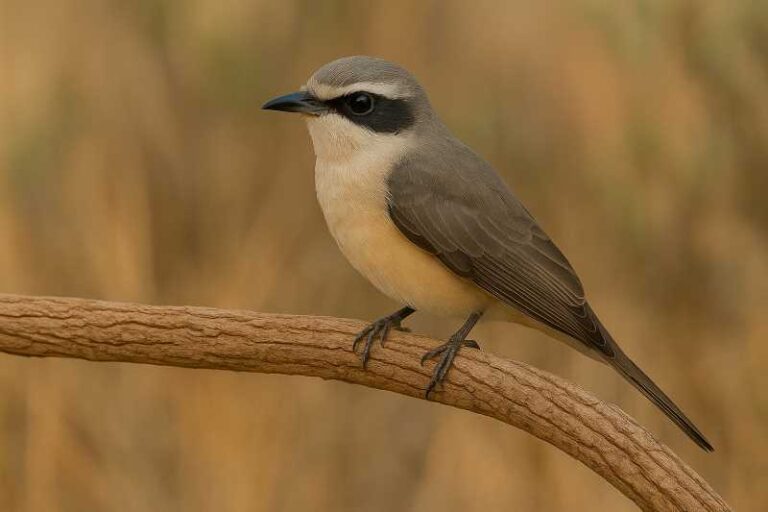
The Black Tern (Chlidonias niger) is a small, elegant bird that graces the wetlands and coastal regions across North America and Eurasia. Renowned for its striking appearance and agile flight, this migratory bird has captivated ornithologists and birdwatchers alike. With its striking black plumage during the breeding season, contrasted by white underparts and a silvery-gray back, the Black Tern is a testament to nature’s artistry.
Habitat and Distribution
Black Terns are typically found in freshwater marshes, shallow lakes, and coastal estuaries. Their breeding range spans across the northern parts of North America, from the central United States to Canada, as well as across Europe and Asia. During the non-breeding season, these terns migrate to coastal regions in Central and South America, as well as parts of Africa and South Asia, highlighting their exceptional adaptability to diverse habitats.
The selection of breeding sites is crucial for Black Terns, as they prefer areas with abundant aquatic vegetation. This preference is primarily due to the availability of insects and small fish, which form the bulk of their diet. Black Terns are often seen hovering gracefully above the water, diving deftly to capture prey with their slender bills.
Breeding and Behavior
The breeding season for Black Terns typically begins in late spring, around May or June. Males engage in elaborate courtship displays, which include aerial acrobatics and presenting food to potential mates. Once paired, both the male and female participate in nest building, often constructing floating nests from aquatic plants. These nests are strategically placed to reduce the risk of predation, although they remain vulnerable to fluctuating water levels.
Black Terns lay between two to four eggs per clutch, with both parents sharing incubation duties over a period of approximately three weeks. After hatching, the chicks are cared for by both parents until they fledge, typically around three weeks later. The fledglings are taught essential survival skills, including foraging techniques, by their parents before embarking on their first migration.
Conservation Status and Challenges
Despite their widespread distribution, Black Terns face numerous challenges that threaten their populations. Habitat loss, primarily due to wetland drainage and agricultural expansion, poses a significant risk to their breeding and feeding grounds. Pollution, including pesticide runoff and water contamination, further exacerbates these challenges by impacting the availability and quality of their food sources.
Climate change also presents a looming threat, as shifting weather patterns and rising sea levels can lead to habitat degradation. Conservation efforts are crucial to mitigate these impacts and ensure the survival of Black Tern populations. Initiatives such as wetland restoration, pollution control, and the establishment of protected areas are vital in safeguarding their habitats.
The Importance of Research and Monitoring
Continuous research and monitoring are essential to understanding the ecology and behavior of Black Terns. Banding programs and satellite tracking have provided valuable insights into their migratory routes, breeding habits, and population dynamics. These efforts help inform conservation strategies and promote awareness about the importance of preserving wetland ecosystems.
Engaging local communities and fostering international collaboration are equally important in conserving Black Tern populations. Educating the public about the significance of wetlands and the role they play in supporting biodiversity can inspire collective action toward environmental stewardship.
Conclusion
The Black Tern, with its distinctive appearance and migratory prowess, serves as a symbol of the interconnectedness of ecosystems across continents. Their presence in wetlands is an indicator of ecological health, underscoring the importance of preserving these vital habitats. Through dedicated conservation efforts and collaborative research, we can ensure that future generations continue to marvel at the beauty and grace of the Black Tern.
Related posts