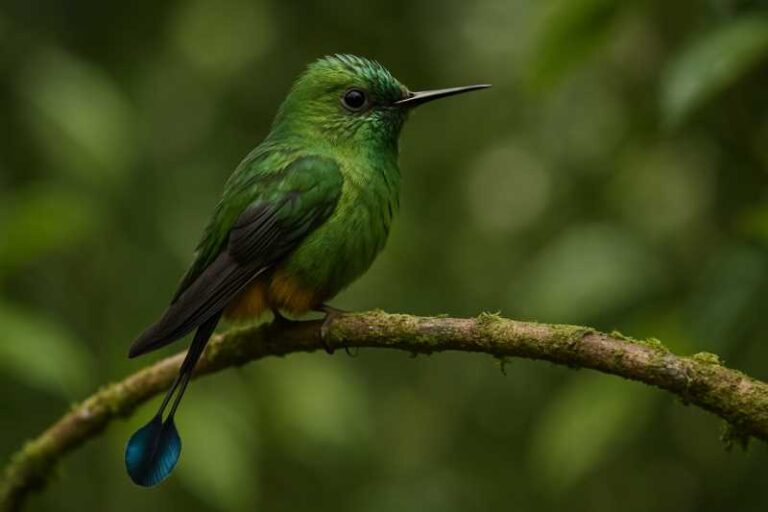
The Sanderling: A Remarkable Shorebird of Global Shores
The sanderling (Calidris alba) is a small, charismatic bird known for its widespread presence across sandy beaches and shorelines around the world. As a member of the sandpiper family, Scolopacidae, the sanderling is easily recognizable by its pale, plump appearance and energetic behavior, making it a favorite among birdwatchers and nature enthusiasts.
Physical Characteristics and Identification
Sanderlings are relatively small birds, measuring about 18 to 20 centimeters in length, with a wingspan ranging from 38 to 45 centimeters. They typically weigh between 40 to 100 grams. One of their distinctive features is their coloration, which varies with the seasons. During the breeding season, they exhibit rusty-red feathers on their backs and heads, contrasting with the white underparts. In non-breeding months, their plumage turns a more subdued grey and white, which helps them blend seamlessly with the coastal environments they inhabit.
Their short, stout bills and black legs are adapted for their feeding habits. Sanderlings lack the hind toe characteristic of many other shorebirds, which contributes to their unique scuttling motion as they dash along the shoreline, often in synchrony with the ebb and flow of the waves.
Habitat and Distribution
Sanderlings have one of the most extensive global distributions of any shorebird species. They breed in the high Arctic tundra, primarily in Greenland, Canada, and parts of Siberia. Post-breeding, they undertake long migratory journeys to wintering grounds that span from the coasts of North and South America to Europe, Africa, and Australia.
These birds are almost exclusively coastal, favoring open sandy beaches, tidal flats, and mudflats. Their presence is often noted along shorelines, where their feeding behavior is a spectacle in itself. They forage in the intertidal zone, running back and forth with the waves to probe the sand for small invertebrates, such as crustaceans and mollusks, which constitute the bulk of their diet.
Behavior and Breeding
The breeding season for sanderlings begins in late May to early June in the Arctic tundra. Males arrive at the breeding grounds to establish territories and build multiple nest scrapes to attract females. Once paired, the female will select one of these scrapes as the nesting site. The nest is a simple depression lined with moss and lichens.
Sanderlings typically lay a clutch of four eggs, which are incubated by both parents over a period of about 24 to 31 days. The chicks are precocial, leaving the nest within hours of hatching to feed themselves, though they remain under the watchful eyes of the parents.
Conservation Status and Challenges
The sanderling is currently classified as a species of Least Concern by the International Union for Conservation of Nature (IUCN). However, like many migratory shorebirds, sanderlings face several threats, primarily due to habitat loss and degradation. Coastal development, pollution, and climate change are significant pressures that affect their breeding and wintering grounds.
Moreover, disturbance from human activities, such as beach recreation and pet walking, can disrupt their feeding and resting behaviors. Conservation efforts are focused on protecting critical habitats through the establishment of protected areas and promoting sustainable coastal management practices.
Importance and Cultural Significance
Beyond their ecological role as part of coastal food webs, sanderlings hold cultural significance in some indigenous Arctic communities, where they are a part of traditional narratives and a symbol of the changing seasons.
Birdwatching and ecotourism centered around sanderlings and other shorebirds also contribute to local economies and raise awareness about the importance of conserving these remarkable creatures and their habitats.
In conclusion, the sanderling is a vital component of coastal ecosystems worldwide. Its resilience and adaptability to diverse and often challenging environments underscore the importance of global conservation efforts to ensure that these birds continue to grace our shores for generations to come.
Related posts