The Tui Parakeet: A Jewel of the Avian World
The Tui Parakeet, scientifically known as Brotogeris sanctithomae, is a captivating member of the parakeet family that enchants bird enthusiasts and ornithologists alike with its vibrant plumage and engaging behavior. Native to the lush, tropical regions of the Amazon Basin, this small parrot is a testament to the rich biodiversity found within these rainforests. Despite their relatively small size, Tui Parakeets boast a significant presence in their natural habitats and play a crucial role in the ecological web of the region.
Physical Description
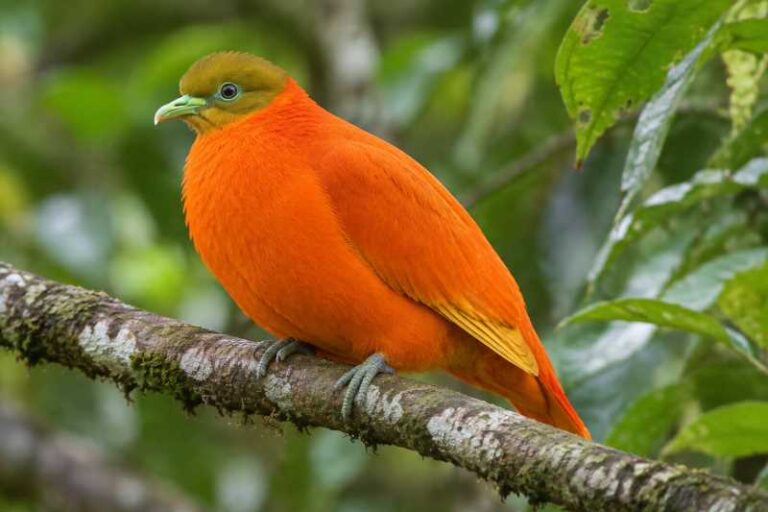
The Tui Parakeet is a small, slender bird measuring approximately 17 to 18 centimeters in length. Its plumage is predominantly green, which provides excellent camouflage among the verdant foliage of its habitat. However, it is the distinctive yellow patch on its wings and the bright orange beak that set it apart from other parakeet species. This striking coloration not only aids in identification but also plays a role in social interactions and mating displays.
The bird’s eyes are a deep, expressive brown, and its feet are zygodactylous, meaning two toes face forward and two backward, an adaptation that facilitates a strong grip on branches and other surfaces. This anatomical feature is particularly useful for navigating the dense forest canopy where these birds spend much of their time.
Habitat and Distribution
Tui Parakeets are predominantly found in the lowland rainforests of the Amazon Basin, spanning countries such as Brazil, Peru, Bolivia, and Colombia. They are highly adaptable and can be found in both primary and secondary forests, as well as in open woodland areas. These birds thrive in environments that provide a mix of dense foliage for cover and open spaces for foraging.
The availability of fruit-bearing trees and flowering plants is crucial to their survival, as these are primary food sources. The Tui Parakeet’s diet consists mainly of seeds, fruits, flowers, and nectar. Their role as seed dispersers in the ecosystem is vital for the regeneration of plant species, contributing to the health and sustainability of their habitat.
Behavior and Social Structure
Tui Parakeets are highly social creatures, often found in flocks ranging from a few individuals to several dozen. These groups provide safety in numbers, reducing the risk of predation by birds of prey and other predators. Within these flocks, Tui Parakeets exhibit a complex social structure, engaging in mutual preening and vocal communication to maintain bonds and coordinate activities.
Their vocalizations are diverse, consisting of a variety of calls and whistles that serve different purposes, from alerting the flock to danger to signaling the availability of food. These vocal skills are not only crucial for survival but also play a role in courtship and mating.
Conservation Status
Currently, the Tui Parakeet is classified as a species of Least Concern by the International Union for Conservation of Nature (IUCN). However, like many species in the Amazon, they face threats from habitat destruction due to deforestation, agriculture expansion, and illegal pet trade. Conservation efforts are essential to ensure the continued survival of these vibrant birds and the ecosystems they inhabit.
Protecting the Tui Parakeet involves safeguarding large areas of their natural habitat and enforcing stricter regulations against the illegal trade of wild birds. Additionally, educating local communities about the ecological importance of these birds can foster better coexistence and conservation practices.
Conclusion
The Tui Parakeet is not just another bird in the vast tapestry of Amazonian wildlife; it is a critical component of its ecosystem. Its existence underscores the importance of preserving our planet’s biodiversity. As we continue to explore and understand these creatures, it becomes increasingly clear that their survival is intrinsically linked to the health of the Amazon rainforest. By protecting the Tui Parakeet, we are also safeguarding the future of one of the world’s most vital natural resources.
Related posts