The Tepui Toucanet: A Jewel of the Venezuelan Highlands
The Tepui Toucanet, scientifically known as *Aulacorhynchus whitelianus*, is an enchanting bird species that captivates ornithologists and birdwatchers alike. Noted for its vibrant plumage and distinctive habitat, this toucanet is emblematic of the rich biodiversity found in the tepuis—tabletop mountains—in Venezuela. This article delves into the unique characteristics, habitat, behavior, and conservation status of the Tepui Toucanet.
Description and Identification
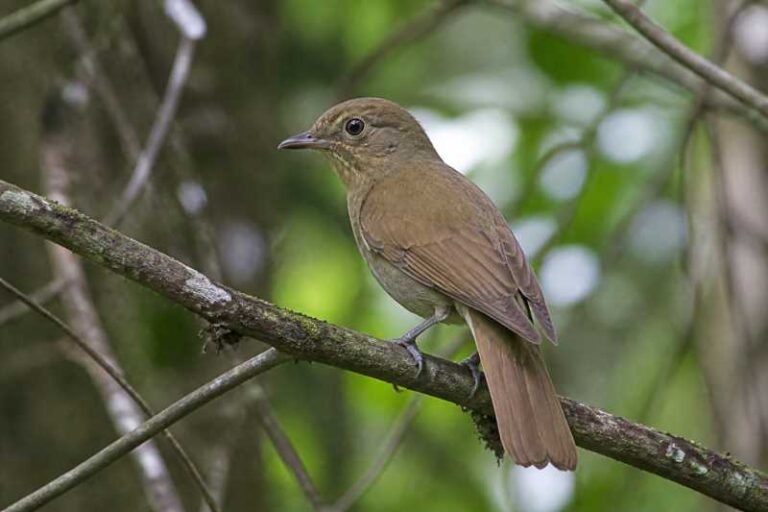
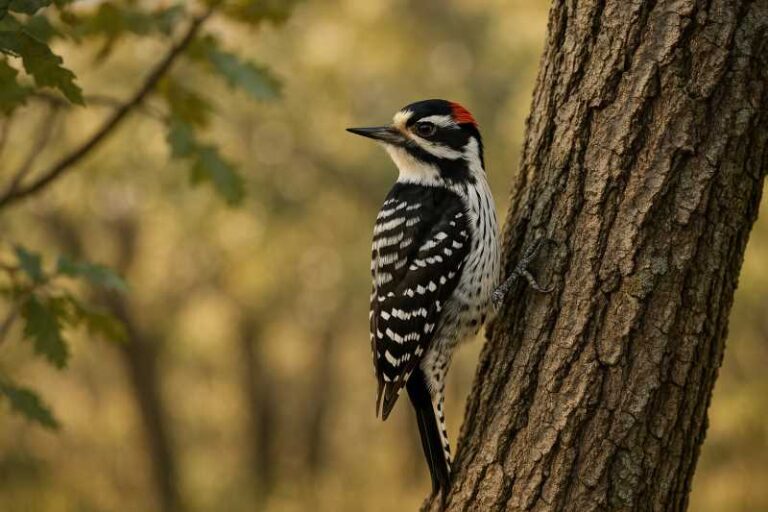
The Tepui Toucanet is a member of the Ramphastidae family, which encompasses toucans and their close relatives. This bird is relatively small compared to its better-known cousins, measuring approximately 35 cm in length. Its most striking feature is its vivid plumage: a predominantly green body complemented by a blue throat and a distinctive red undertail. The bill is another key feature, characterized by its bi-colored appearance, typically with a yellowish-green upper mandible and a black or dark lower mandible, which adds to its allure.
The Tepui Toucanet is often confused with other members of the *Aulacorhynchus* genus; however, it can be differentiated by its unique color patterns and the specific geographic range it inhabits.
Habitat and Distribution
Endemic to the tepuis of the Guiana Shield in Venezuela, the Tepui Toucanet is a species that thrives in the humid montane forests of this region. These ancient geological formations create a unique ecosystem, isolated from the surrounding lowlands, which has allowed for the evolution of a plethora of endemic species. The elevation of these tabletop mountains ranges from 1,500 to 3,100 meters, providing a diverse array of microhabitats.
The tepuis are characterized by steep, often sheer cliffs, and flat summits that are frequently shrouded in mist. This environment creates a unique ecological niche that supports the Tepui Toucanet, among other specialized flora and fauna. The bird’s presence is often associated with mature forest canopies and secondary growth forests, where they can forage and nest.
Behavior and Diet
The Tepui Toucanet is primarily frugivorous, with a diet that consists predominantly of fruits and berries. This dietary preference plays a crucial role in the seed dispersal mechanisms of the tepui ecosystems, aiding in forest regeneration and maintenance of biodiversity. However, its diet is not exclusively frugivorous; it occasionally supplements its intake with insects and small vertebrates, which provide essential proteins and nutrients.
Social behavior in the Tepui Toucanet is notable, as these birds are often observed in pairs or small flocks. Their social structure enhances foraging efficiency and provides protection against predators. Vocalizations are an essential aspect of their behavior, with a variety of calls used for communication and establishing territory.
Reproduction
The breeding habits of the Tepui Toucanet are less well-documented than those of more widespread toucan species. However, it is known that they nest in tree cavities, often those abandoned by woodpeckers. The female typically lays a clutch of 2 to 4 eggs, which both parents incubate. After hatching, both parents are involved in feeding and caring for the chicks until they fledge.
Conservation Status
Currently, the Tepui Toucanet is classified as Least Concern by the IUCN Red List. However, this status does not imply that the species is free from threats. Habitat destruction due to mining, logging, and agriculture poses significant risks to their habitat. The tepuis, while less accessible than other regions, are not immune to the encroachment of human activities.
Conservation efforts for the Tepui Toucanet and its habitat are crucial for ensuring the survival of this species. Initiatives that promote sustainable land-use practices and the establishment of protected areas are vital. Additionally, further research into the species’ ecology and population dynamics can aid in the development of targeted conservation strategies.
Conclusion
The Tepui Toucanet is a remarkable species that embodies the unique ecological character of the tepui landscapes. Its vibrant colors and behaviors make it a subject of fascination and a symbol of the biodiversity found in the Venezuelan highlands. Protecting this species and its habitat is not only crucial for the Tepui Toucanet’s future but also for the preservation of the tepui ecosystems as a whole. As stewards of the environment, it is our responsibility to ensure that such natural treasures are preserved for future generations to admire and study.
Related posts